
How to Teach Kids to Wipe After Pooping | The 5-Wipe Check
This post contains affiliate links. As an Amazon Associate, we learn from qualifying purchases
Teaching a child to wipe after pooping requires matching three things: the right physical setup, a clear, repeatable wiping pattern, and practice that builds muscle memory without pressure. The goal is a clean bottom every time, which prevents rashes, infections, and the anxiety that leads to stool withholding. Skipping any one piece means the skill won’t stick.
This process is about a child’s confidence to use the bathroom anywhere, at school or at a friend’s house, without you, not just about hygiene. The mechanics are deceptively complex.A child needs balance, core strength, coordination, and the ability to reach behind their body without looking. Most guides stop at “use wet wipes.” That’s not enough.
What follows is the method used by pediatric occupational therapists. You’ll get the exact wiping pattern NHS trusts teach, the number of wipes that gives a clear stopping point, and the practice games that turn an awkward reach into an automatic motion. We’ll also cover what to do when a child has coordination issues or seems to regress after learning.
Key Takeaways
- Teach the “check, chuck, clean” mantra and a front-to-back, row-by-row wiping pattern for consistency.
- Use the 5-wipe check for children who can’t feel when they’re clean, a specific number provides a clear stopping point.
- Practice with shaving foam on a plate or balloons before expecting a clean wipe on the body; messy practice prevents messy accidents.
- Address physical barriers first: feet must be flat, knees above hips, and toilet paper within an arm’s length reach.
- Expect and plan for regression after illnesses, vacations, or school changes; revert to hand-over-hand guidance without frustration.
The Foundation: Physical Readiness and Setup
Before a single wipe happens, the child’s body has to be in a position to succeed. If their feet are dangling or they’re straining to reach the paper, they will fail, get frustrated, and resist.
The NHS Borders guide is blunt about this: give them a step stool. Their feet must be flat and firmly supported. This is a stability requirement, not a comfort tip. When feet are planted, core muscles engage, freeing up the arm and hand to make a controlled wiping motion.Knees should be higher than the hips, which is why a child’s toilet seat reducer often helps.
Where this goes sideways: Letting a child’s feet dangle. They’ll use one hand to balance on the seat instead of wiping, the wipe will be glancing and ineffective, and they’ll likely get residue on their hand. You’ll see skid marks in their underwear within a day.
Next, reach. Can your child easily grab the toilet paper without twisting their torso? The roll should be on a holder within an arm’s length. The UK charity ERIC suggests a simple test: can your child touch their opposite ear by reaching over their head? The shoulder and spine flexion needed is very similar to the reach required for wiping. If they can’t do that, they physically cannot wipe effectively yet.
Finally, paper management. Tearing off a huge wad is a classic kid move. It clogs toilets and makes it impossible to feel what they’re doing. The Northumbria Healthcare NHS guide says to teach them to tear four squares at a time. Mark the perforations with a pen if you need to. The goal is a neat, manageable pad.
| Setup Item | Goal | What Happens If It’s Wrong |
|---|---|---|
| Foot Support | Feet flat, knees above hips | Child uses hand for balance; wipe is weak and off-target. |
| Paper Reach | Toilet roll within arm’s length | Over-rotation strains back; child gives up and calls for help. |
| Paper Amount | 4 squares or an arm’s length strip | Too little: mess on hands. Too much: clogged toilet, poor sensation. |
| Wipe Access | Bin and wipes within easy reach | Wipes end up on floor or flushed, causing plumbing issues. |
The Core Skill: Breaking Down the Wiping Pattern
Adults don’t think about it, but wiping is a precise pattern. Teaching a random swiping motion guarantees missed spots. Occupational therapists break it into a repeatable, checkable sequence.
The Humber Sensory Processing Service guide lays out a military-grade plan: start from the front (forwards of the rectum), work from the left side across the middle to the right side. That’s one “row.” Move backwards and repeat the left-to-right motion. Keep going in rows until the paper comes back clean. Then do one final check pass over the whole area. This systematic approach means a child can self-audit. If the last wipe was dirty on the left side, they know they missed a spot on the left.
Teach your child the “check, chuck, clean” mantra from ERIC. After each wipe, they look at the paper (check), fold the soiled side in to “hide it” (chuck), and continue until the paper is clean. This builds the essential habit of visual verification.
The Betsi Cadwaladr Health Board guide introduces a critical tool for kids with poor sensation: the 5-wipe check. Some children lack the proprioceptive feedback to feel when they’re clean. Telling them to “wipe until it’s clean” is meaningless. Instead, instruct them to wipe five times with a clean patch of paper each time, then stop and check. This gives a concrete, achievable endpoint that usually gets the job done.
Why the Pattern Beats Random Swiping
A random swipe spreads more than it cleans. The front-to-back, row-by-row pattern contains the mess and clears it systematically. The folding step (“chuck”) prevents re-contaminating the hand with residue from the previous wipe. This is the difference between a clean bottom and lingering bacteria that causes itching and rash, not just tidier.
Practice Makes Perfect: The Messy Games That Work
No child learns this by being told once. They learn by doing in a low-pressure, even fun, context. The research is full of brilliantly messy OT-approved games.
Start with a plate. The NHS Borders guide suggests smearing a small amount of peanut butter, chocolate spread, or toothpaste on a plastic plate. Give your child a folded pad of toilet paper and have them wipe it clean in one scooping motion. The goal is to keep the paper flat and check it after each wipe. This teaches pressure control and the “check” habit.
Move to balloons. Tape two inflated balloons together to mimic buttocks. Smear shaving foam in the “cleft.” Have your child practice wiping it away. Start with the balloons in front of them, then move them to the side, and finally tie them to the back of a chair. This progressively trains the reach-behind motion.
Build body awareness. Stick Post-it notes or stickers on the back of their pants and have them reach back to remove them. In the bath, put a blob of shaving foam on their lower back and have them wipe it off with a washcloth. These games map the location of their bottom in space without the stress of an actual bowel movement.
Teaching the Motion: Backwards Chaining and Hand-Over-Hand
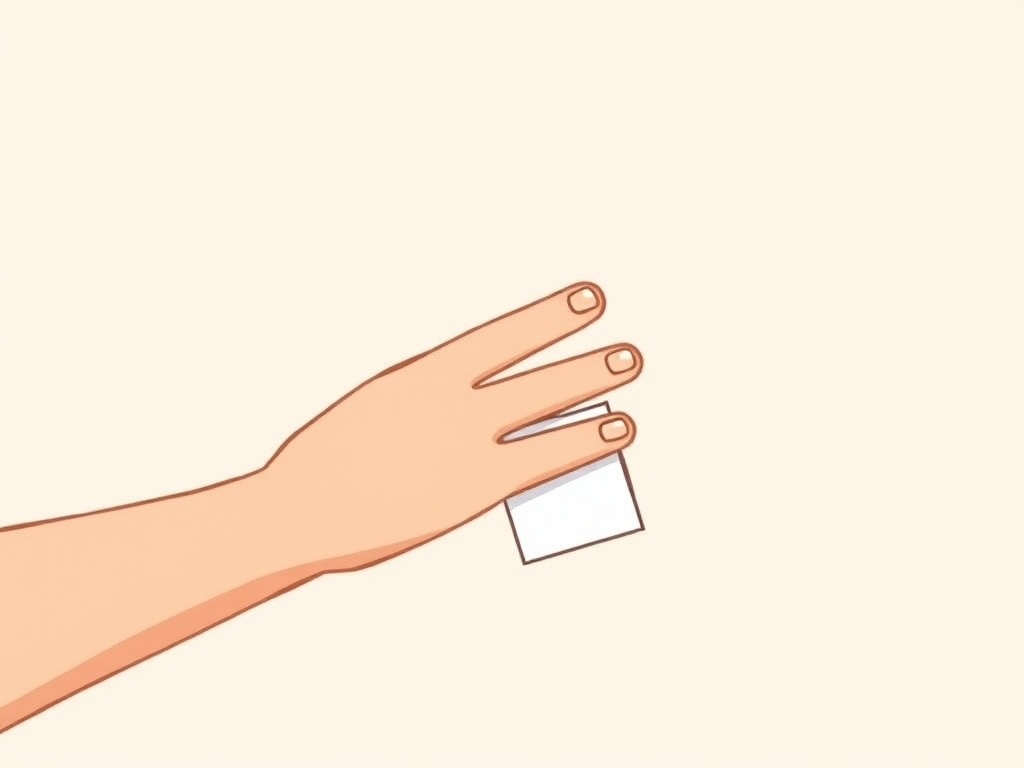 For the actual act on the toilet, use a technique called backwards chaining. You do almost the entire task, and let the child complete the final, most rewarding step.
- You wipe them clean, but have them place their hand over yours to feel the motion.
- Next time, you do the first few wipes, then guide their hand (with your hand over theirs) for the last wipe.
- Then, they hold the paper for the last two wipes with your hand guiding.
- Gradually, they take over earlier and earlier steps until they do it all.
This method guarantees a clean outcome every time, which prevents the disgust and frustration of a failed attempt. The child only ever experiences success, which builds confidence.
Common mistake: Jumping straight to verbal instructions. “Reach behind and wipe” is a complex motor plan for a young brain. Their body doesn’t know how to sequence those movements. Hand-over-hand guidance provides the muscle memory directly.
Special Considerations: Coordination, Sensory Issues, and Regression
Some children face extra hurdles. The guides are clear: this is common, and there are plans.
Coordination and Balance. The Betsi Cadwaladr guide notes that wiping requires balance, core stability, coordination, proprioception, and sensation. If balance is poor, let them stand to wipe, placing one foot on the toilet seat or a step for support. They can hold a grab rail or the wall with their non-wiping hand. This turns a full-body balancing act into a stable, one-handed task.
Sensory Aversions. A child might hate the feel of toilet paper, the smell, or the idea of being dirty. For texture, switch to a gentle wet wipe like WaterWipes or a cotton cloth. For smell, use a scented wipe or a drop of essential oil in the bathroom. Never offer disposable gloves as a first resort, the ERIC guide warns they decrease sensation and can create a dependency where the child withholds if gloves aren’t available.
Regression is Normal. Skills backslide. The Children’s Hospital of Philadelphia notes that hospitalizations, family moves, new siblings, or school changes can disrupt a mastered routine. The answer is a temporary return to hand-over-hand guidance or the 5-wipe check rule, not shame. Re-establish the pattern calmly.
| Challenge | Signs | Adapted Strategy |
|---|---|---|
| Poor Sensation | Doesn’t know when to stop wiping; frequently soiled underwear. | Use the 5-wipe check rule. |
| Balance Issues | Wobbles on toilet; uses one hand to hold seat. | Teach standing wipe with foot on step; install a grab rail. |
| Sensory Aversion | Gags at smell; refuses to touch paper. | Use sensitive skin wipes; involve them in choosing a scent. |
| Fear of Mess | Anxious about getting poop on hands. | Practice extensively with shaving foam games first. |
| Regression | Was independent, now needs help again after an event. | Revert to backwards chaining without comment; skills will return faster. |
Troubleshooting Common Problems
You’ve taught the pattern. You’ve practiced. Problems still pop up. Here’s what they mean and how to fix them.
Skid marks in underwear every day. This is the most common report. It means the wipe isn’t thorough or the stopping point isn’t correct. * Fix: Revisit the row-by-row pattern. Use a hand mirror (in a neutral, scientific way) to show them the area they need to cover. Go back to the 5-wipe check as a temporary measure to ensure completeness.
Child calls for help every single time. They’ve learned that you will come and finish the job. You’ve become part of their routine. * Fix: Use backwards chaining again, but be a progressively lazier helper. “I’ll help with the first two, you do the rest.” Then “I’ll just get the paper for you.” Gradually remove your presence from the sequence.
They use a whole roll of toilet paper. This is a management issue, not a wiping issue. * Fix: Go back to the arm-length rule. Hold the end of the paper at their shoulder and show them to tear at their fingertips. Put a small basket next to the toilet for excess paper if they tear too much, so they don’t feel compelled to flush it.
Withholding poop to avoid wiping. This is serious and can lead to constipation. It means the task is too daunting or unpleasant. * Fix: Drastically lower the demand. Go back to you doing almost all of it, paired with super-positive reinforcement. Use the most comfortable natural baby wipes you can find. The goal is to make bathroom time neutral again, not a battle.
Frequently Asked Questions
What is the typical age to teach wiping?
Most children develop the physical coordination and cognitive readiness to learn between ages 3 and 4, but mastery often comes between 4 and 5. The developmental timeline for wiping is variable. Focus on the skills (the ear-touch test, ability to follow a 2-step command) more than the calendar.
Are wet wipes or toilet paper better for teaching?
Wet wipes are almost always better for learners. The NHS Northumbria guide states they wipe more easily and cover a larger area. They also cling to the hand better than a dry paper pad. Use biodegradable wipes and provide a dedicated bin. Once the technique is solid, you can transition to toilet paper.
How do I teach a child with coordination difficulties?
Break the task into even smaller steps. Focus on stability first, ensure great foot support and a grab rail. Use the standing method. The teaching proper wiping guide emphasizes that extra practice with the balloon or plate games is crucial for building the motor plan before expecting success on the body.
My child was doing it but now isn’t. What happened?
This is regression, and it’s normal after illness, vacation, starting school, or any disruption. The Children’s Hospital of Philadelphia toilet training guide explicitly links life transitions to skill backslide. Treat it as a temporary reset, not a failure. Calmly return to guided practice for a week.
How do I handle this at school?
Communication is key. Pack a small bag of their preferred wipes and talk to the teacher. Most schools are supportive. Frame it as “We’re practicing independence and would appreciate if you could encourage him to try first.” This aligns with common preschool potty training policies. For a child with real challenges, an OT can provide a school plan.
Before You Go
Teaching wiping is a project, not a one-day lesson. It hinges on a good physical setup, a crystal-clear wiping pattern, and loads of non-stressful practice. The 5-wipe check gives a concrete goal. The backwards chaining method builds confidence. When you hit a snag, skid marks, regression, fear, go back a step in the teaching sequence, not to square one.
The payoff is a child who walks into a school bathroom or a friend’s house knowing they can handle it, not just a clean bottom. That independence is worth every bit of the messy, patient work it takes to get there.Start with the plate, move to the balloons, and let their own growing competence be the best reward.
