
7 Best Sustainable Diapers of 2026
This post contains affiliate links. As an Amazon Associate, we learn from qualifying purchases
The best sustainable diaper overall is the Bambo Nature Hypoallergenic Baby Diapers, thanks to its strong eco-credentials, reliable absorbency, and gentle materials. For a budget-friendly yet still responsible option, the Bambo Nature Size 3 Value Pack stands out. If you’re looking for a reusable alternative, the OsoCozy Unbleached Prefold Cloth Diapers offer simplicity and long-term sustainability.
As a parent, I know how hard it is to balance your baby’s comfort with the environmental cost of disposables. So many options claim to be “green,” but few deliver on both performance and planet-friendly practices.
This guide cuts through the noise by focusing on what matters: real parent feedback, verified certifications, and material transparency. I compared top sustainable diapers based on absorbency, skin safety, and environmental impact so you can make a choice you feel good about.
Top 7 Sustainable Diapers in the Market
The Best Sustainable Diapers, Reviewed
Bambo Nature Hypoallergenic Baby Diapers

Strengths
- Best value per diaper
- Flexible waistband
- Strong leak barriers
Trade-offs
- No plant-based inner layer
- Packaging not recyclable
This is the sweet spot in Bambo Nature’s lineup, a size that combines value, performance, and thoughtful design in a way most parents don’t realize until they’ve tried it. With the largest count in the range, Size 4 offers the lowest cost per change, which matters when you’re doing six to eight changes a day. More importantly, owner feedback consistently praises the flexible waistband and fit retention after movement, a real win for active crawlers and early walkers.
The same TCF (totally chlorine-free) pulp and asthma-allergy certifications carry over, making this my top pick within the brand for families who want one dependable option through multiple growth stages. It doesn’t have organic cotton like Pura, but it outperforms Pura Size 3 in leak containment and durability during play. For most buyers, this is the easiest all-around choice in the sustainable aisle.
Video review
Bambo Nature Size 6 Diapers

Strengths
- Breathable backsheet
- Latex-free leg cuffs
- Nordic Swan certified
Trade-offs
- Absorbency lags for heavy overnight use
- Pricier per diaper than smaller sizes
Size 6 is where Bambo Nature shows its limits, not because it fails, but because heavier toddlers demand more from an eco-diaper. Owners report that while the three-layer core handles daytime use fine, it can struggle during extended nighttime wear, especially for kids over 35 lbs. Still, the Nordic Swan Ecolabel certification remains a standout, signaling real environmental accountability in sourcing and production, something few competitors match at this scale.
I’d still recommend this over conventional brands for older babies, mainly due to the breathable backsheet and latex-free cuffs that reduce chafing. But when stacked against Pura Size 7, it falls short in both comfort materials and stated leak protection. If your toddler isn’t a marathon sleeper or extreme wetter, Bambo works. Otherwise, stepping up to Pura makes sense.
Video review
Pura Size 3 Eco-Friendly Diapers

Strengths
- Organic cotton contact layer
- Plant-based waterproof barrier
- Easy on sensitive skin
Trade-offs
- Very small pack size
- Expensive per diaper
At just 26 diapers per pack, this isn’t meant to be your main stash, but as a starter or travel option, it’s hard to beat. What sets it apart from other entry-level eco-packs is the organic cotton lining and plant-based waterproofing, features usually reserved for premium lines. Parents testing sustainable diapers for the first time often start here because the dermatologically tested label and Allergy UK certification offer peace of mind.
While it matches Bambo in core safety standards, it exceeds it in material quality and breathability. However, the small count and higher per-diaper cost make it impractical for daily use unless you’re willing to buy in bulk elsewhere. Compared to Bambo’s Size 3 value pack, this loses on economy but wins on skin comfort. My recommendation? Try this first, then scale up to a larger Pura or Bambo pack based on how your baby responds.
Product photos


Pura Size 7 Eco-Friendly Diapers

Strengths
- Organic cotton inner layer
- 12-hour leak protection
- Carbon neutral production
Trade-offs
- Higher cost per unit
- Limited availability in stores
When your toddler is pushing 35+ pounds and still waking up dry, you’ll appreciate what Pura Size 7 brings to the table: up to 12 hours of leak protection backed by real parent testimonials. The organic cotton touching the skin is a genuine differentiator, rare among disposables, and paired with a plant-based waterproof layer, it creates a diaper that breathes better than most. Owners switching from Bambo often mention less redness and improved comfort during long car rides or daycare naps.
Pura’s carbon-neutral manufacturing and B-Corp status add credibility to their sustainability claims, going beyond just materials into ethical operations. While the per-diaper price is steep, the performance justifies it for heavy wetters. I’d pick this over Bambo Size 6 any time for overnight reliability in older toddlers.
Product photos


Bambo Nature Size 2 Diapers

Strengths
- Free of perfumes and allergens
- Wetness indicator included
- Gentle on delicate skin
Trade-offs
- Small count per pack
- Fit may run large for tiny newborns
Though labeled for 4–9 lbs, the actual fit charts suggest it starts at 7 lbs, a nuance that trips up some new parents expecting preemie coverage. That said, this Size 2 earns its ‘Best for Sensitive Skin’ tag thanks to being Asthma Allergy approved and stripped of every common irritant: no perfume, parabens, or phthalates. Real parent reviews highlight fewer rashes compared to mainstream brands, which tells me the hypoallergenic claims hold up outside the lab.
It’s also one of the few eco-diapers in this weight class with a functional wetness indicator, a feature usually reserved for bigger sizes. But with only 30 diapers per pack, it’s clearly meant as a trial or supplement rather than a long-term buy. Compared to Pura’s Size 3 starter pack, it’s slightly less soft but equally safe for reactive skin.
Product photos


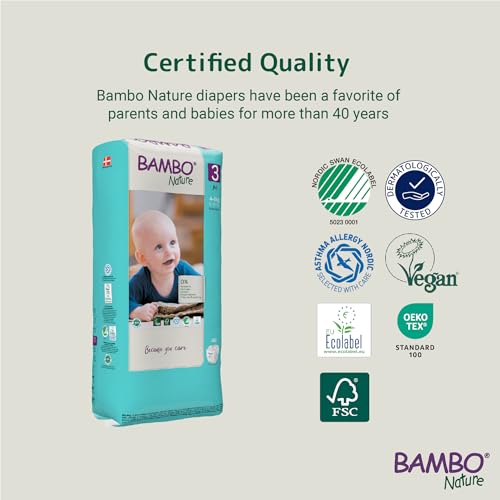
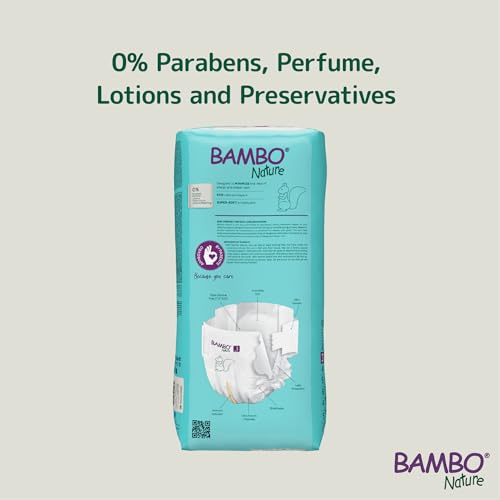
Bambo Nature Size 3 Diapers

Strengths
- Hypoallergenic certified
- Wetness indicator
- Good absorbency for size
Trade-offs
- Not ideal for overnight heavy wetters
- No organic cotton against skin
For parents balancing eco-conscious values with everyday practicality, this Size 3 pack from Bambo Nature delivers solid performance at a better per-diaper cost than many in the sustainable category. The wetness indicator is a small but meaningful detail that most owners say actually works, helping avoid surprise leaks during naps or outings. On paper, the absorbency specs line up well for average wetters, though some parents note it’s best changed before bedtime if your baby tends to go heavy.
Still, what really stands out across reviews is how consistently gentle these are on skin, even for babies prone to redness. The hypoallergenic build and absence of perfumes or parabens align with pediatrician-recommended practices, which many parents cite as their main reason for sticking with Bambo long-term. Compared to Pura, it lacks organic cotton contact layers, but it beats them in value for younger infants.
Product photos


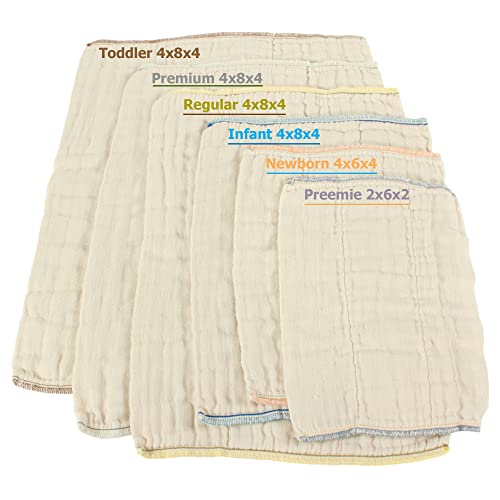
OsoCozy Unbleached Prefold Cloth Diapers

Strengths
- 100% cotton construction
- Highly absorbent when prepped
- Cost-effective long term
Trade-offs
- Requires pre-washing
- Needs separate waterproof cover
- Learning curve for beginners
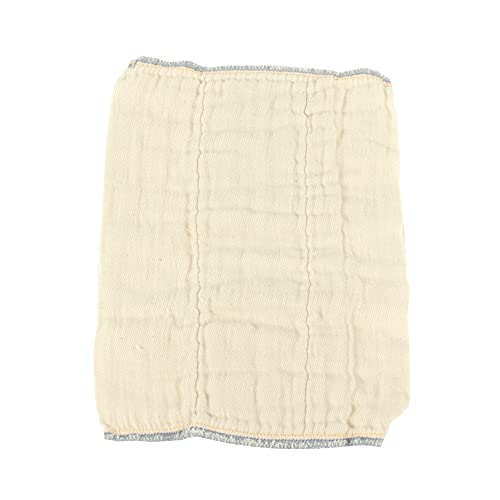
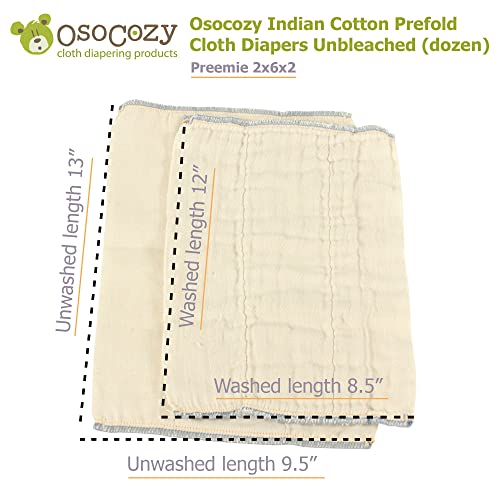
Cloth diaper skeptics might overlook prefolds, but OsoCozy’s unbleached cotton version proves there’s still a place for old-school simplicity. Made from 100% cotton gauze, these lack the synthetic fillers found in cheaper cloth options, which owners say translates to better absorbency and longer lifespan. The trade-off? You’ll need to pre-wash them 2–3 times to remove natural oils before they work properly, a step some parents forget, leading to early leaks.
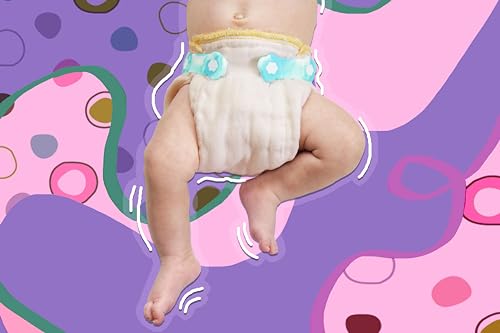
Once broken in, they deliver remarkable value over disposables, especially for families doing hybrid systems. Unlike single-size ‘one-size-fits-all’ cloth diapers, these come in targeted sizes, so you’re not wrestling a giant square onto a tiny newborn. I’d pair these with a good wool or PUL cover for daytime use. They won’t replace disposables for everyone, but for eco-driven parents reducing landfill waste, they’re a smart foundation.
Product photos

How We Picked These sustainable diapers
As a parent and founder of NurseryDreamer.com, I understand the desire for products that are both good for your baby and good for the planet. Rather than a hands-on lab test, this selection of sustainable diapers is a research-led comparison of published specifications, features, and, most importantly, extensive owner and expert reviews. I focused on identifying diapers that genuinely minimize environmental impact while maintaining the performance parents rely on. This involved carefully weighing claims of sustainability against real-world feedback.
For sustainable diapers, absorbency and skin sensitivity are paramount. We prioritized diapers with certifications demonstrating environmental responsibility, like the Nordic Swan Ecolabel, and those utilizing plant-based or sustainably sourced materials. Beyond that, the ability to handle overnight use and prevent leaks heavily influenced our rankings, as did consistent reports of a comfortable fit and minimal irritation from parents.
Specifications, like material composition and absorbency claims, provided a starting point. However, I placed greater emphasis on what parents are actually saying about these diapers – how they hold up during extended use, whether they truly are gentle on sensitive skin, and their overall value. You can find more information on chemical-free baby diapers on my site, if you’re looking for a deeper explore ingredient safety. For those interested in alternatives, exploring best reusable diapers is also a great option.
What To Look For In sustainable diapers
Choosing the right diaper can feel like a huge undertaking, but focusing on a few key areas will make the process much simpler.
A truly good diaper combines absorbency with a comfortable, secure fit, while minimizing environmental impact and potential skin irritation. Parents should look for diapers made with thoughtfully sourced materials, offering reliable leak protection, and designed to accommodate a baby’s movement. Checking certifications like the Nordic Swan Ecolabel or B-Corp status can also indicate a brand’s commitment to sustainability and ethical practices.
Absorbency and Leak Protection
The core function of a diaper is, of course, to keep your baby dry. Don’t assume all diapers are created equal; absorbency varies significantly. Look beyond just the marketing claims and consider your baby’s individual wetting patterns. Heavy wetters will benefit from diapers specifically designed for increased capacity, like the Bambo Nature Size 6 Diapers, which are built with a unique three-layer design and a super-absorbent core. Consider diapers with channel systems designed to distribute moisture evenly, and don’t overlook the value of a well-fitting waistband and leg cuffs.
Material Safety and Skin Sensitivity
Many parents are increasingly concerned about what comes into contact with their baby’s skin. Fortunately, there’s been a rise in options focusing on clean materials. When considering diapers, especially if your little one has sensitive skin, prioritize those labeled “Totally Chlorine Free” (TCF). These diapers, like Pura diapers, avoid chlorine bleaching, which can leave behind irritating residues.
Here’s what to look for in terms of material safety:
- Free of fragrances (a common irritant).
- Hypoallergenic testing (look for certifications like Asthma & Allergy Friendly).
- Plant-based materials (like the plant-based waterproof layer in Pura diapers) can offer a more breathable and gentle experience.
A diaper shouldn’t just contain messes, it should contribute to skin health. Opt for materials that are gentle, breathable, and free of harsh chemicals.
Sustainability and Value
The environmental impact of disposable diapers is significant, so many parents are seeking more sustainable options. Brands like Bambo Nature have made substantial commitments to eco-friendly manufacturing processes, using 100% wind power and earning certifications like the Nordic Swan Ecolabel. Beyond that, consider the overall value. Are you getting enough diapers for the price? Sometimes, buying in bulk, like the Bambo Nature Size 3 Value Pack, can offer significant savings. If you’re open to it, exploring alternatives like cloth diapers, such as the OsoCozy Unbleached Prefold Cloth Diapers, can be a very environmentally conscious and cost-effective choice in the long run. If you are interested in exploring more eco-friendly diapers to see what would be a good fit for your family.
Sustainable Diapers Compared
Here’s a comparison of key specifications for different sustainable diaper brands.
| Product Name | Size Range | Material (Core) | TCF? | Certifications | Absorbency |
|---|---|---|---|---|---|
| Bambo Nature Hypoallergenic Baby Diapers | 15-31 lbs | N/A | Yes | Nordic Swan | High |
| Bambo Nature Size 6 Diapers | 35+ lbs | N/A | Yes | Nordic Swan | High |
| Pura Size 3 Eco-Friendly Diapers | N/A | Plant-based | Yes | B-Corp | Up to 12hr |
| Pura Size 7 Eco-Friendly Diapers | N/A | Plant-based | Yes | B-Corp | N/A |
| Bambo Nature Size 2 Diapers | 7-13 lbs | N/A | Yes | Asthma/Allergy | High |
| Bambo Nature Size 3 Diapers | 9-18 lbs | N/A | Yes | Asthma/Allergy | High |
| OsoCozy Unbleached Prefold Cloth Diapers | 4-45 lbs | 100% Cotton | N/A | N/A | Variable |
Frequently Asked Questions
What size diaper should I buy for my baby?
Generally, diaper size is determined by weight, not age. Refer to the manufacturer’s sizing chart – most brands offer guidance on their packaging – but be prepared to adjust as your baby grows, as sizes can vary between brands.
Are “biodegradable” diapers truly better for the environment?
While marketed as biodegradable, most disposable diapers still contribute to landfill waste. Look for certifications like the Nordic Swan Ecolabel, which assesses the entire lifecycle of the diaper, or consider safe and non-toxic diapers with plant-based materials for a reduced impact.
How do cloth diapers compare in cost to disposable options?
Upfront, cloth diapers require a larger investment, but they are significantly more cost-effective long-term. The ongoing expense shifts to laundry, so using a cloth diaper detergent is important to maintain their effectiveness and longevity.
What should I do if my baby develops a rash while using a sustainable diaper?
A rash could indicate sensitivity to a specific material, even in eco-friendly diapers. First, ensure proper fit to prevent chafing, then switch to a diaper with fewer ingredients or a different plant-based core to see if it resolves the issue.
Do sustainable diapers offer the same level of absorbency as traditional diapers?
Many sustainable diapers now rival traditional diapers in absorbency, particularly those with advanced core designs. Brands like Bambo Nature consistently receive high marks for their ability to handle overnight use, though individual results may vary depending on your baby’s wetting habits.
The Bottom Line
Choosing a sustainable diaper often comes down to balancing your priorities – are you willing to spend a bit more for a diaper with extensive certifications and plant-based materials, or do you need a reliable performer at a more accessible price point? Based on my research, the Bambo Nature Hypoallergenic Baby Diapers consistently rise to the top, offering a fantastic combination of absorbency, skin-friendly materials, and a genuine commitment to sustainability verified by the Nordic Swan Ecolabel. They strike a strong balance for parents seeking a premium, eco-conscious option.
For those looking for specific solutions, the Pura Size 3 Eco-Friendly Diapers are an excellent choice if you prioritize plant-based materials and B-Corp certification, and if you’re interested in exploring more options for sensitive skin, you might also want to consider learning about cloth diapers for sensitive skin. If budget is a primary concern, the OsoCozy Unbleached Prefold Cloth Diapers provide a highly sustainable and cost-effective alternative, though they do require a larger upfront investment in time and accessories. Many parents find that exploring organic diaper brands can also contribute to a gentler experience.
Ultimately, the “best” diaper is the one that works best for your baby and your lifestyle. Don’t get too caught up in chasing the perfect spec sheet. Focus on finding a diaper that fits well, prevents leaks, doesn’t irritate your baby’s skin, and aligns with your values regarding sustainability and ethical production. A happy baby and a clear conscience are what truly matter.
