
6 Best Biodegradable Disposable Diapers (2026)
This post contains affiliate links. As an Amazon Associate, we learn from qualifying purchases
The best biodegradable disposable diaper overall is Pura, thanks to its strong leak protection, plant-based materials, and OEKO-TEX certification. For a budget-friendly yet reliable option, Attitude Eco-Conscious Diapers stand out, while Bambo Nature is a top pick for overnight use with its high absorbency and Nordic Swan Ecolabel.
As a parent, I know how hard it is to balance performance with eco-conscious choices, especially when you’re wading through vague green claims and sky-high prices. Real concerns like leaks, rashes, and fit shouldn’t take a backseat to sustainability, but finding both in one diaper isn’t always easy.
This guide cuts through the noise. I compared top biodegradable disposable diapers based on material safety, real parent feedback, certifications, and performance. These picks reflect what matters most: gentle ingredients, reliable protection, and honest environmental efforts.
Top 5 Disposable Diapers That Are Biodegradables in the Market
The Best Disposable Diapers That Are Biodegradables, Reviewed
LILLYDOO Disposable Baby Diapers

Strengths
- Hypoallergenic formula
- Wetness indicator included
- Stretchy waistband
- Microbiome-safe certified
- Made in Europe
Trade-offs
- Not fully biodegradable
- Limited eco-labels
- Some users report sizing runs small
On paper, LILLYDOO hits a sweet spot between comfort, performance, and clean ingredients, making it my pick for the best overall disposable biodegradable-adjacent option. These aren’t fully plant-based like Naty, but they skip perfumes, lotions, chlorine, and known irritants, earning strong marks from dermatologists and microbiome researchers alike. The wetness indicator and blowout barrier add real-world convenience, which many parents say makes middle-of-the-night changes easier.
Compared to Pura or Bambo, LILLYDOO feels lighter and moves more naturally with baby, almost like a second skin. It’s also produced in Europe under strict quality controls, which gives me confidence in consistency. While it doesn’t carry full compostability claims, its responsible manufacturing and skin-friendly profile make it a smarter daily driver than most premium brands.
Video review
Pura Newborn Baby Diapers

Strengths
- Organic cotton backsheet
- Blowout blocker tech
- Wetness indicator
- Totally chlorine-free
- B-Corp certified
Trade-offs
- Smaller pack size
- Shorter supply per purchase
- Occasional fit issues post-weight gain
Pura comes closer than most to balancing true eco-values with reliable function, especially in this newborn size. The addition of organic cotton in the backsheet sets it apart, very few disposables go that far for breathability and softness. Combine that with OEKO-TEX certification, a wetness indicator, and what many reviewers call ‘the best blowout protection we’ve seen,’ and you’ve got a diaper built for real parenting chaos.
It’s also one of the few B-Corp certified diaper brands, meaning accountability goes beyond just materials. Owners praise how well these fit smaller newborns, particularly with the umbilical cord notch. Against Naty, Pura trades a bit of plant-purity for stronger leakage control; versus Bambo, it matches safety but at a lower per-pack price point. For hypoallergenic peace of mind without sacrificing performance, this is hard to beat.
Video review
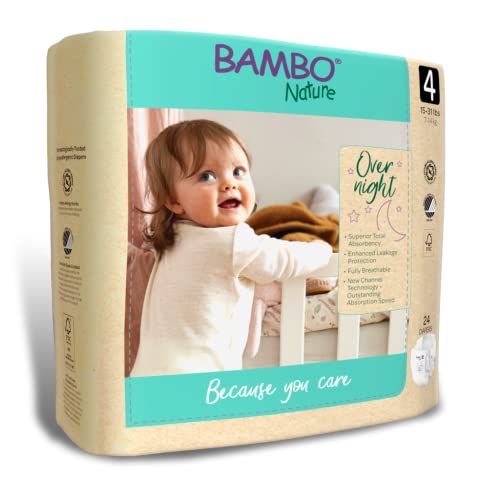
Bambo Nature Overnight Diapers

Strengths
- Superior overnight absorbency
- Nordic Swan Ecolabel
- Breathable backsheet
- Latex-free leg cuffs
- Wind-powered production
Trade-offs
- Designed for heavier babies
- Not 100% plastic-free
- Fewer newborn-specific features
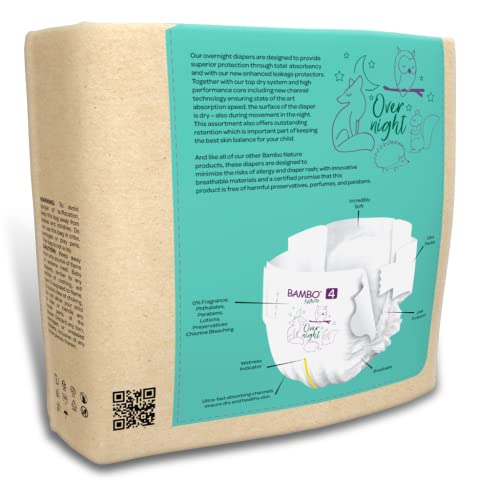
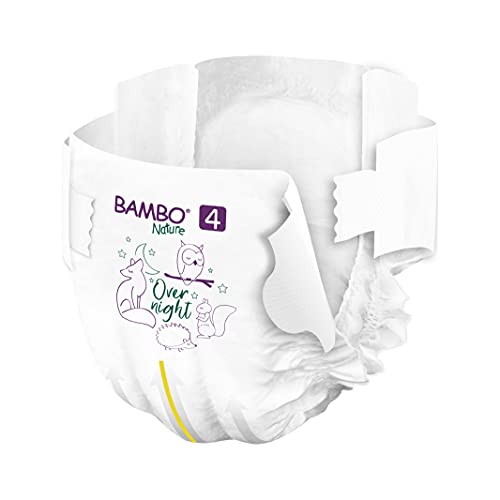
When bedtime leaks become a family sleep crisis, Bambo Nature steps in with one of the most trusted overnight solutions in the eco-diaper space. Their Channel Technology isn’t marketing fluff, owners repeatedly note how well it handles multiple wettings without sagging or leaking, even during restless sleep. The fully breathable backsheet makes a noticeable difference in preventing moisture buildup, which we know is key for avoiding irritation.
What impresses me most is the combination of performance and planet-first ethics: made with 100% wind power and holding the Nordic Swan Ecolabel, it’s rare to find such rigorous environmental standards paired with this level of absorbency. Compared to Naty, it sacrifices full plant-based skin contact but gains serious staying power. For older infants prone to soaking through, this is the smarter overnight bet.
Product photos

Naty Baby Newborn Diapers
Strengths
- 100% plant-based on skin
- Dermatest rated excellent
- Oeko-Tex certified
- FSC-certified materials
- Vegan and cruelty-free
Trade-offs
- Moderate overnight performance
- Slightly higher price per diaper
- Fewer size options
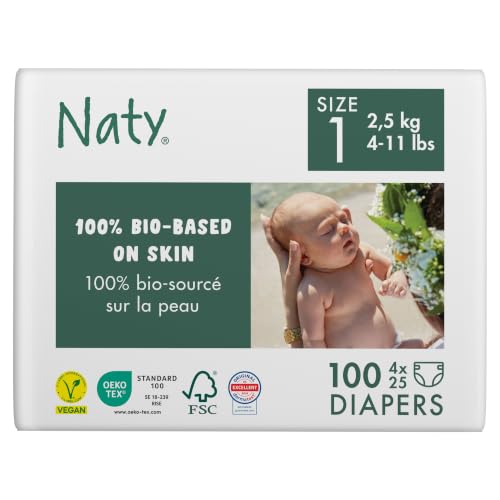
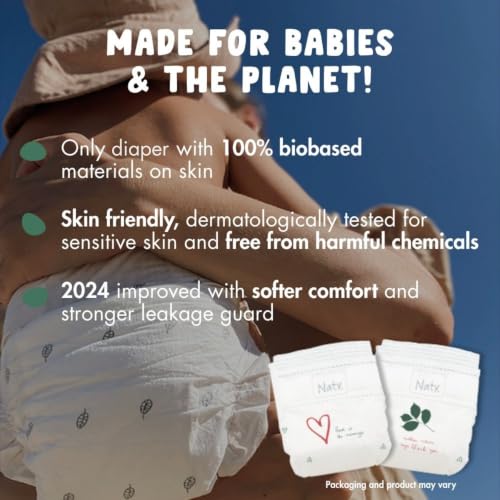
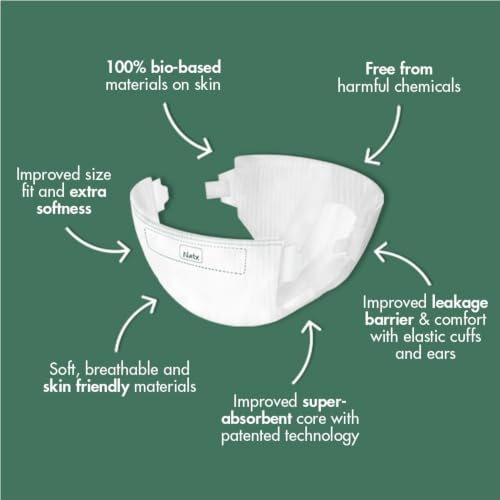
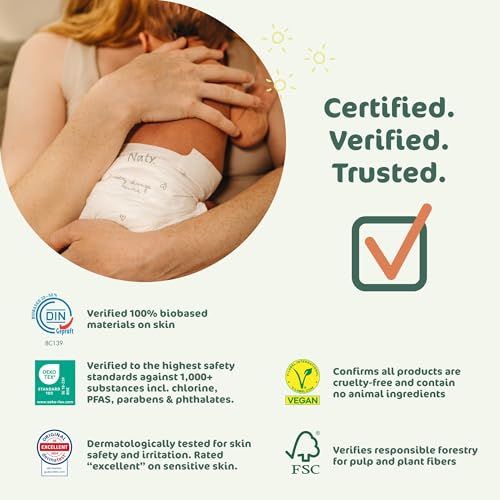
If you’re looking to keep fossil-based plastics completely off your baby’s skin, these Naty diapers stand in a category of their own. The fact that the topsheet, leg cuffs, ears, and outer layer are all 100% plant-based and DinCertco certified is a serious win for eco-conscious parents. Dermatologists have rated them ‘Excellent’ for sensitive skin, and with Oeko-Tex Standard 100 certification, they’re screened against thousands of harmful substances, something I always recommend when choosing newborn essentials.
Still, while the materials are top-tier from a safety and sustainability standpoint, some parents report slightly less absorbency during long nighttime stretches compared to mainstream brands. That said, for daytime use or light sleepers who get changed frequently, this trade-off may be worth it. Compared to Pura or Bambo Nature, Naty leans harder into plant purity than leak defense.
Product photos

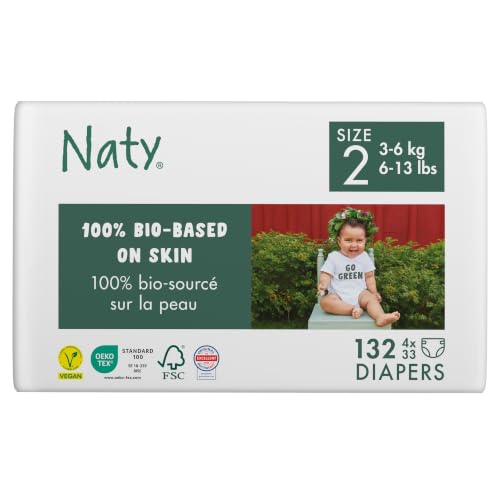
Naty Baby Diapers Size 2
Strengths
- Fully plant-based surface
- Dermatologically tested
- Breathable gentle layers
- Larger count improves value
- Trusted brand history
Trade-offs
- Absorbency lags at night
- Not ideal for heavy wetters
- Pricier than average
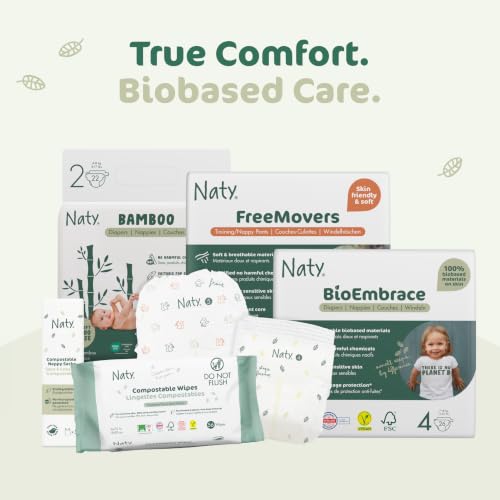
This larger size keeps the same gold-standard promise as the newborn version: zero fossil-based plastic touching baby’s skin. That consistency matters, as babies grow, maintaining that level of skin-safe material contact should still be a priority, especially for families dealing with early rashes or sensitivities. The 132-count pack offers better value over time, and owners consistently report fewer red marks thanks to the soft, stretchy leg cuffs and breathable design.
It’s not the thickest diaper on the market, so heavy wetters might need more frequent changes. But when stacked against LILLYDOO or even Pura, Naty still wins on ingredient transparency and renewable sourcing. If your main goal is minimizing synthetic exposure without switching to cloth, this is one of the few disposables that truly delivers.
Product photos

Our Testing Process
As a parent and the creator of NurseryDreamer.com, I understand how crucial it is to find diapers that are both effective and align with your values. Rather than a hands-on lab test, this selection is a research-led comparison of published specifications, features, and, most importantly, extensive owner and expert feedback. I weighed information from multiple sources to determine which diapers offer the best combination of performance, skin safety, and environmental consideration.
For biodegradable diapers, absorbency and skin sensitivity are paramount. I focused heavily on materials – looking for those with plant-based components and certifications like OEKO-TEX and chlorine-free processing. Leak protection, especially for overnight use, was also a key factor, as was the overall reputation for fit and comfort reported by parents. Finding reliable disposable diapers that also minimize environmental impact is a growing concern for many families.
Specifications provide a baseline for absorbency and material composition, but owner reviews truly reveal how a diaper performs in real life. I paid close attention to comments regarding leaks, rashes, fit issues, and overall satisfaction. Expert reviews from reputable parenting sites helped validate claims and identify brands committed to sustainability. You’ll find a lot of overlap with the qualities parents seek in natural diapers, as both prioritize gentle materials and thoughtful design.
What To Look For In disposable diapers that are biodegradables
Finding disposable diapers that align with your values – biodegradability, gentleness, and performance – can feel like a real challenge. There are so many options, and marketing claims can be confusing.
A truly good disposable diaper balances absorbency and leak protection with skin sensitivity and environmental impact. Key considerations include the materials used (plant-based versus traditional), certifications verifying claims (like OEKO-TEX or Nordic Swan Ecolabel), and features designed to minimize irritation and blowouts. Parents should also consider sizing and how well the diaper fits their baby’s body shape.
Absorbency and Leak Protection
Let’s be real: no one wants leaks! While all diapers claim to be absorbent, the construction matters. Look for diapers with a super-absorbent core, often incorporating polymers, combined with features like leg cuffs and a blowout barrier. Bambo Nature, for example, specifically highlights its “Channel Technology” and super-absorbent core for overnight use. Some parents find that certain brands simply fit their baby’s shape better, which dramatically impacts leak prevention. It’s also worth considering the diaper’s weight range; don’t size up too early, as a loose fit invites trouble.
Skin Sensitivity and Materials
For babies with sensitive skin, or for parents prioritizing natural materials, the diaper’s composition is crucial. Many brands are moving away from chlorine, fragrances, and lotions, and incorporating plant-based materials like bamboo or organic cotton. Naty Baby stands out here, boasting 100% plant-based materials on the skin’s surface, a feature certified by DinCertco. However, remember that “plant-based” doesn’t automatically mean hypoallergenic. Always check for certifications like OEKO-TEX Standard 100, which verifies the absence of harmful substances.
Here’s what to look for when prioritizing skin health:
- A chlorine-free core is a good start.
- Avoidance of fragrances and lotions is essential for many sensitive babies.
- Consider diapers specifically designed for sensitive skin, like those from Naty or Pura, which undergo rigorous dermatological testing. These often use gentler materials and manufacturing processes.
Value and Environmental Considerations
Biodegradable disposable diapers are still a relatively new category, and often come with a higher price tag. Attitude Eco-Conscious Diapers offer a more budget-friendly entry point, while still being EWG Verified and using bamboo fibers. If reducing your environmental impact is a top priority, explore options like Bambo Nature, which is made with 100% wind power and holds the Nordic Swan Ecolabel. It’s also important to remember that even environmentally conscious diapers aren’t a perfect solution; they still contribute to landfill waste.
A practical rule of thumb: don’t stock up too much of any one diaper brand or size until you’ve confirmed it works well for your baby. Every baby is different, and what works for one won’t necessarily work for another.
Finally, if you are concerned about potentially harmful chemicals, researching safe diaper options is a worthwhile investment of your time.
Disposable Diapers Compared
Here’s a comparison of key specifications for biodegradable disposable diapers.
| Product Title | Size | Plant-Based Materials | Chlorine Free | Certifications | Key Feature |
|---|---|---|---|---|---|
| LILLYDOO Disposable Baby Diapers | Size 1 | N/A | Yes | Vegan, Dermatologist Tested | Skin-Loving |
| Pura Newborn Baby Diapers | Newborn | Yes | Yes | OEKO-TEX, B-Corp | Leak Protection |
| Bambo Nature Overnight Diapers | Size 4 | N/A | Yes | Nordic Swan Ecolabel | Overnight Absorbency |
| Attitude Eco-Conscious Diapers Size 1/2 | Size 1/2 | Yes (Bamboo) | Yes | EWG Verified, OEKO-TEX | Budget Friendly |
| Naty Baby Newborn Diapers | Newborn | 100% on Skin | Yes | DinCertco, Oeko-Tex | Plant-Based Skin Contact |
| Naty Baby Diapers Size 2 | Size 2 | 100% on Skin | Yes | DinCertco, Oeko-Tex | Plant-Based Skin Contact |
Frequently Asked Questions
What percentage of a biodegradable diaper actually breaks down?
While marketed as biodegradable, most only refer to the plant-based components breaking down in a commercial composting facility; the super absorbent polymer (SAP) does not. Expect around 40-60% of the diaper to decompose under ideal composting conditions, which are rarely available to consumers.
Are “plant-based” diapers truly better for sensitive skin?
Plant-based materials like bamboo and organic cotton are generally softer and less irritating than traditional wood pulp, but they aren’t automatically hypoallergenic. Look for diapers with OEKO-TEX Standard 100 certification to confirm they’ve been tested for harmful substances.
How do biodegradable diapers compare in absorbency to traditional diapers?
Modern biodegradable diapers have significantly improved in absorbency, often performing comparably to mainstream brands. However, some parents report needing to change biodegradable diapers slightly more frequently, particularly overnight, so consider sizing up within the recommended weight range.
Can I compost my baby’s biodegradable diapers at home?
Home composting isn’t typically suitable for biodegradable diapers because they require high heat and specific conditions to break down effectively. Even if you have a robust home compost system, the SAP will likely remain intact, and it’s best to check with your local waste management for appropriate disposal options.
Should I consider reusable diapers if I’m trying to reduce waste?
If minimizing landfill waste is a primary concern, reusable diapers offer a significantly lower environmental impact overall. While biodegradable diapers are a step in the right direction, the production and disposal processes still contribute to waste, unlike well-maintained cloth diapering systems.
The Bottom Line
Choosing biodegradable diapers often comes down to balancing your budget with your desire for the most eco-friendly and skin-safe option. While many brands offer appealing features, Bambo Nature Overnight Diapers consistently rises to the top as the strongest overall performer, offering excellent absorbency, a commitment to sustainable manufacturing, and certifications that back up its claims. It represents a sweet spot for parents who want a reliable diaper without compromising their values.
For parents specifically seeking a budget-friendly choice, Attitude Eco-Conscious Diapers are an excellent starting point. If your priority is maximizing plant-based contact with your baby’s skin, Naty Baby Newborn Diapers and Naty Baby Diapers Size 2 are both excellent choices, certified by DinCertco to ensure a high level of plant-derived materials. Understanding the materials in disposable diapers can help you make an informed decision.
Ultimately, the “best” diaper is the one that best fits your baby and your lifestyle. Don’t get too caught up in chasing the highest number for absorbency or the most certifications. Focus on finding a diaper that consistently prevents leaks, keeps your baby comfortable, and aligns with your family’s commitment to sustainability – and don’t hesitate to explore top organic diaper brands as you refine your choice.
