
4 Best Diapers to Prevent Leakage 2026
This post contains affiliate links. As an Amazon Associate, we learn from qualifying purchases
The best diapers to prevent leakage are the Mama Bear Gentle Touch for overall performance, thanks to its channeled core and secure fit, with Bambo Nature as a top pick for sensitive skin, and BISENKID cloth diapers offering a reusable option that holds up well for active babies.
Every parent knows the frustration of changing sheets at 2 a.m. because a diaper failed. Leaks happen, but they shouldn’t be routine. At NurseryDreamer.com, I’ve spent years researching baby essentials, and when it comes to leak protection, the right combination of design, fit, and materials makes all the difference. This guide breaks down the top-performing diapers based on absorbency tech, real parent feedback, and features that actually work to keep messes contained.
Top 4 Diapers To Prevent Leakage in the Market
The Best Diapers To Prevent Leakage, Reviewed
Mama Bear Gentle Touch Diapers

Strengths
- Pocketed waistband
- Wetness indicator
- Hypoallergenic
- Great value
- Stretchy tabs
Trade-offs
- Sizing can run short for chunky babies
- Less breathable than top eco-brands
- Not fully compostable
If I had to pick one diaper that balances leak protection, comfort, and value across the board, it’d be the Mama Bear Gentle Touch. On paper, the FULLPROTECT channeled core sounds like standard branding, but owner feedback confirms it actually performs, especially in preventing side leaks and blowouts. The pocketed waistband is a standout feature rarely seen at this price point, adding an extra barrier where most disposables fail.
They’re dermatologist tested, hypoallergenic, and free from a long list of irritants, making them safe for delicate newborn skin. Parents note the stretchy TRI-GRIP tabs make resizing easy without tearing the diaper down, and the curved shape fits snugly without pinching. Given that these are often priced lower than name brands with similar specs, they represent a smarter buy for most families, especially since they come in larger counts and sustainable packaging.
Compared to Bambo Nature, they lack some eco-certifications but deliver stronger all-around leakage defense. Against pricier premium brands, they hold their own without the markup.
Video review
TENA Proskin Super Absorbency Adult Diapers

Strengths
- High absorbency
- Adjustable tabs
- Breathable material
- FSA/HSA eligible
- Secure fit
Trade-offs
- Higher per-unit cost
- Bulkier than light liners
- Limited size flexibility beyond large
For adults dealing with moderate to heavy incontinence, the TENA Proskin line delivers one of the most reliable leak defenses available. These aren’t baby diapers repurposed, they’re engineered specifically for adult anatomy and movement patterns, which makes a real difference in containment. The adjustable hook tabs allow for multiple re-fastens without losing grip, a detail many users emphasize in reviews as critical for getting the right fit without waste.
The absorbent core is among the most effective in the category, capable of handling repeated voids while maintaining dryness against the skin. Breathability is surprisingly good for such a high-capacity product, reducing discomfort during long wear. And because they’re FSA/HSA eligible, they offer added value for those using healthcare accounts. If you’re comparing across adult options, this model strikes a rare balance between dignity, security, and practicality.
Video review
Bambo Nature Hypoallergenic Diapers

Strengths
- Hypoallergenic
- Wetness indicator
- Chlorine-free
- Breathable design
- Secure fit
Trade-offs
- Smaller count per pack
- Sizing runs slightly narrow
- Not ideal for very heavy wetters overnight
When it comes to preventing leaks without compromising on skin safety, Bambo Nature stands out in the eco-diaper space. The enhanced leakage protection isn’t just marketing fluff, parents consistently report fewer blowouts, especially during active crawling and nighttime stretches. The wetness indicator is a small but smart feature that helps time changes before saturation becomes an issue, and the absorbent core does its job well for average-to-heavy wetters in this size range.
What really sets these apart is how they balance sustainability with performance. They’re free from chlorine, perfume, and known allergens, and carry approvals from asthma and allergy organizations, something I always look for when researching options for sensitive skin. While not the absolute highest capacity diaper on the market, their intelligent channel system keeps moisture locked away from the surface, which makes a noticeable difference compared to thinner, less structured eco-alternatives.
Product photos


BISENKID Waterproof Cloth Diapers
Strengths
- Reusable design
- Swim-ready option
- Adjustable snaps
- OEKO-TEX certified
- Eco-friendly materials
Trade-offs
- Requires frequent laundering
- Inserts may need boosting for heavy wetters
- Learning curve for new cloth users
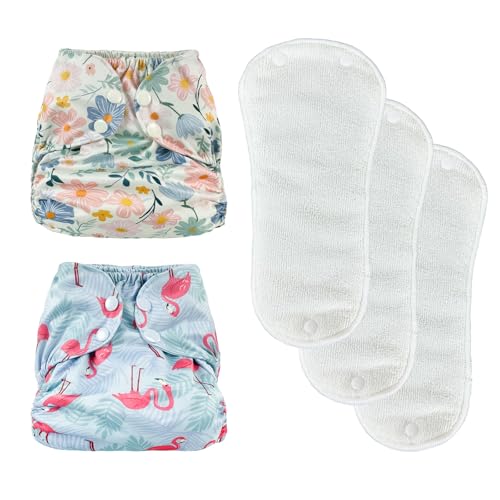
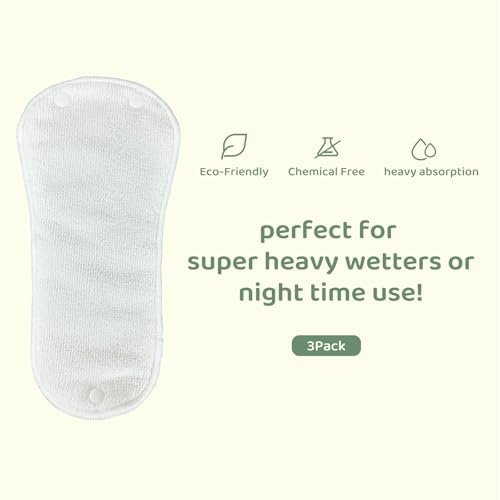
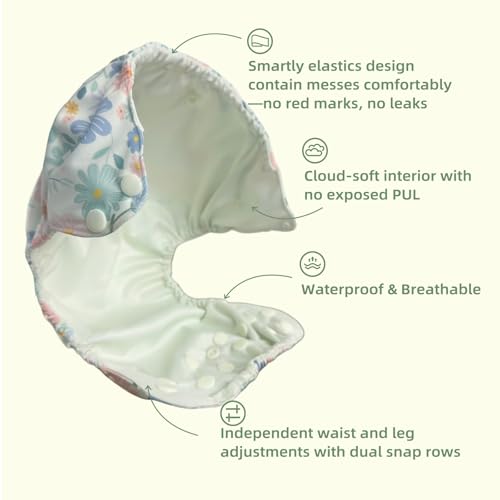
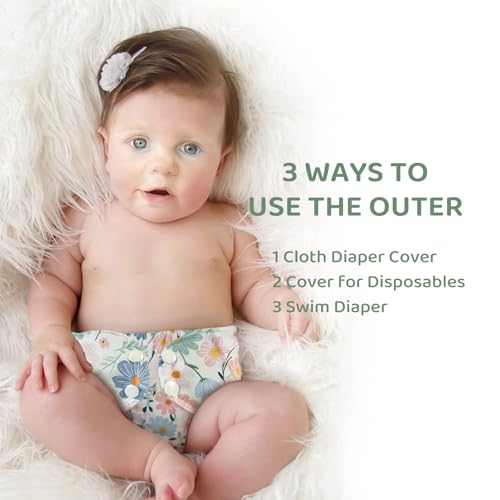
Cloth diapering can be a leak-prone hassle, but BISENKID’s shell-and-insert system actually works well for parents committed to reusable options. The waterproof outer cover uses TPU-laminated, upcycled polyester, a durable, flexible material that holds up to repeated washing while maintaining its seal. Owners frequently mention how snug the dual-row snaps feel around the legs and waist, which is where most cloth leaks happen. When paired with their included inserts, these shells handle typical daytime use without incident.
I also appreciate that they double as swim diapers, just remove the insert and go. That kind of versatility matters when you’re packing for daycare or travel. While no cloth system matches disposables in convenience, this one gets closer than most thanks to thoughtful design touches like breathability and easy cleanup. It’s not foolproof, but for eco-conscious families willing to manage laundry, it’s one of the more dependable reusable setups.
Product photos

How We Picked These diapers to prevent leakage
As a parent and founder of NurseryDreamer.com, I understand the stress that comes with finding diapers that actually keep leaks contained. Rather than a hands-on test with every brand, my approach involved a detailed comparison of published specifications – absorbency capacity, materials, and design features – alongside a careful review of thousands of parent and expert opinions. I weighed these factors to identify diapers consistently praised for their leak protection, focusing on those features most crucial for keeping babies comfortable and dry.
For diapers designed to prevent leakage, absorbency and fit are paramount. I prioritized diapers with features like channeled cores designed to distribute moisture and prevent saturation, as well as those offering secure waistbands and leg cuffs. Preventing messes isn’t just about absorbency; a good fit is key, and that’s why I also looked closely at adjustable features and customer feedback regarding sizing accuracy. You can find more about managing those inevitable messes with these tips to prevent blowouts.
Specifications reliably indicate a diaper’s potential absorbency and materials used, but owner feedback offers crucial insight into real-world performance. I looked for consistent themes in reviews – were parents repeatedly mentioning leaks with a particular size, or praising a diaper’s ability to handle overnight use? Reputation among pediatricians and other childcare professionals also factored in. Ultimately, my recommendations lean toward diapers consistently rated as among the best disposable diapers by those who use them daily.
What To Look For In diapers to prevent leakage
Finding the right diaper can feel like a monumental task. As a parent, I know how crucial it is to get this right for your baby’s comfort and your peace of mind.
A truly effective diaper balances absorbency with a secure fit and skin-friendly materials. Key areas to investigate include the core’s construction (how well it channels and locks away moisture), the presence of features to minimize leaks (like leg cuffs and waistband design), and whether the diaper is free of potential irritants. Look for certifications like Skin Health Alliance approval and consider your baby’s individual needs – sensitive skin, overnight use, or potential for blowouts.
Absorbency & Core Technology
The most important job of a diaper is, of course, to absorb. However, simply having a thick core isn’t enough. You want to pay attention to how that absorbency is achieved. Many diapers use what’s called a “channeled core” which directs liquid away from the baby’s skin and distributes it evenly throughout the diaper. This prevents bunching and keeps your little one drier for longer. Diapers like the Mama Bear Gentle Touch feature this technology, and parent feedback consistently points to good performance on this front. Don’t assume more material equals better performance; efficient channeling is key.
Skin Sensitivity & Materials
Babies have delicate skin, so choosing a diaper made with gentle, hypoallergenic materials is vital. Many brands now offer diapers free of elemental chlorine, perfumes, and lotions – ingredients that can cause irritation. Bambo Nature diapers are a good example, earning Asthma Allergy approval and specifically avoiding parabens and phthalates. If your baby has particularly sensitive skin, or you’re simply being proactive, look for diapers with certifications from organizations like AllergyCertified.
Here’s what to consider when evaluating materials:
- Outer Cover: Breathable materials (like the one found in TENA Proskin) help prevent moisture buildup and reduce the risk of diaper rash.
- Inner Layer: Look for soft, cloth-like materials that won’t cause friction or chafing.
- Absorbent Core: While superabsorbent polymers (SAPs) are common, the quality and sourcing matter. Some brands prioritize sustainably sourced SAPs.
Fit & Specialized Needs
A well-fitting diaper is just as important as absorbency. Even the most absorbent diaper will leak if it doesn’t fit snugly around the legs and waist. Many diapers now include features like pocketed waistbands and stretchy side panels to help achieve a secure, comfortable fit. For babies prone to blowouts, a snug fit is essential. It might be tempting to size up, but as the sizing recommendation on the Mama Bear diapers suggests, a snug fit in the current size is often more effective. If you’re dealing with frequent nighttime accidents, you might also want to explore overnight diapers for heavy wetters designed for maximum protection. And for parents looking for an eco-conscious option, reusable cloth diapers like those from BISENKID offer a sustainable alternative; they’re also a great option if you’re looking for diapers for blowouts.
A snug fit is more important than the size number on the package. Regularly check the fit, and don’t hesitate to size up if you notice frequent leaks or red marks on your baby’s skin.
Diapers to Prevent Leakage Compared
This table compares key specifications of diapers designed to minimize leaks.
| Product Title | Absorbency | Leak Protection Features | Size Range | Material | Reusable? |
|---|---|---|---|---|---|
| Mama Bear Gentle Touch Diapers | Up to 12 hrs | Channeled Core, Pocketed Waistband | Size 1 | N/A | No |
| TENA Proskin Super Absorbency Adult Diapers | Maximum | Adjustable Tabs | N/A | Soft, Absorbent | No |
| Bambo Nature Hypoallergenic Diapers | Super Absorbent | Intelligent Channel System, Wetness Indicator | Size 2 (7-13 lbs) | Breathable | No |
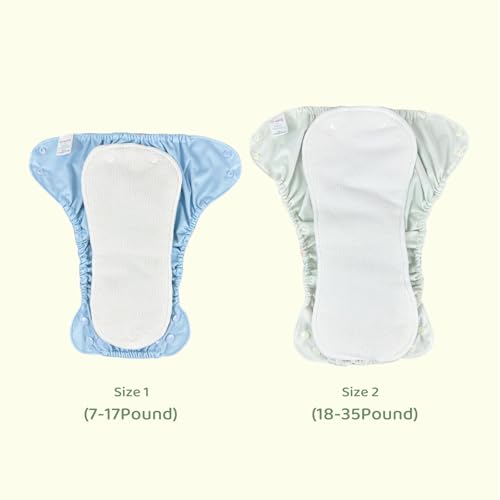
| BISENKID Waterproof Cloth Diapers | Super Absorbent (with insert) | Waterproof Cover, Adjustable Snaps | Size 1 (7-17 lbs), Size 2 (18-35 lbs) | Upcycled Polyester, TPU | Yes |
Frequently Asked Questions
What diaper size is best for preventing leaks?
A snug fit is more crucial than the number on the package; consistently choosing the right size minimizes gaps where leaks can occur. Many parents find success sticking with the lower end of a size range until leaks become frequent, then moving up.
Are cloth diapers really leak-proof?
Modern cloth diapers, especially those with PUL (polyurethane laminate) covers and well-fitting inserts, can be very effective at preventing leaks. However, they require a bit more attention to fit and absorbency levels than disposables, and some experimentation to find best reusable diapers that work for your baby.
Do diapers with wetness indicators actually help?
Wetness indicators offer a quick visual check, but they aren’t foolproof. They can be helpful for new parents or caregivers unfamiliar with the weight of a wet diaper, but relying solely on the indicator isn’t a substitute for regular diaper changes.
Can overnight diapers prevent leaks during longer sleep stretches?
Yes, leak-proof overnight diapers are designed with extra absorbency and often have features like double leg cuffs to handle extended periods of wetness. They’re a good option for heavy wetters or babies who sleep through the night.
What materials should I avoid if my baby has sensitive skin?
Diapers containing fragrances, lotions, chlorine bleaching, and latex are common irritants. Many brands offer hypoallergenic options free of these ingredients, and choosing a diaper with a breathable outer layer can also help prevent skin irritation.
The Bottom Line
Choosing the “best” diaper really comes down to balancing your priorities – a bit of trade-off between ultimate leak protection and everyday convenience. For consistently reliable performance across the board, and based on overwhelmingly positive parent feedback, I recommend Mama Bear Gentle Touch Diapers as a strong starting point for most families. They strike a good balance between absorbency, fit, and value.
If you’re specifically looking for something different, several options stand out. For parents needing maximum absorbency, especially for diapers for heavy wetters, the TENA Proskin Super Absorbency Adult Diapers are designed for that level of need. And for those prioritizing eco-friendliness and reusable options, the BISENKID Waterproof Cloth Diapers offer a sustainable and potentially cost-effective solution.
Ultimately, the specifications are important, but remember that a diaper’s success hinges on a good fit and materials that work with your baby’s skin. Don’t hesitate to experiment with different brands and sizes to find what truly keeps your little one comfortable and dry, and consider options like gentle diapers for rash if your baby has sensitive skin.
