
2 Best Diapers to Prevent Blowouts 2026
This post contains affiliate links. As an Amazon Associate, we learn from qualifying purchases
The Pura Newborn Baby Diapers are our top pick for preventing blowouts, thanks to their secure pouch design and reliable absorbency. For budget-conscious parents, the BISENKID Reusable Cloth Diapers offer strong leak protection and long-term value. Both stand out for their thoughtful construction and consistent feedback from real users.
Every parent dreads the dreaded blowout, especially during a long drive or in the middle of the night. It’s not just about mess, it’s about finding a diaper that truly keeps up with your baby’s unpredictable needs.
In this guide, I break down the top diapers based on absorbency, fit, and real-world performance. I compared specs, analyzed parent reviews, and focused on features that actually matter when trying to prevent leaks and blowouts.
Top 2 Diapers To Prevent Blowouts in the Market
The Best Diapers To Prevent Blowouts, Reviewed
Pura Newborn Baby Diapers

Strengths
- Blowout Blocker design
- Hypoallergenic materials
- Wetness indicator
Trade-offs
- Only for newborns (up to 10 lbs)
- Slight learning curve on fit
If you’re hunting for a diaper that genuinely stands a chance against early-stage blowouts, the Pura Newborns are worth serious consideration. The Blowout Blocker technology isn’t just marketing fluff, parents consistently report fewer messes creeping up the back, thanks to the reinforced pouch and snug, stretchy waistband that moves with the baby. On paper, the design makes sense: a trim fit around the legs and a slightly higher back barrier, which is exactly what you want when dealing with unpredictable newborn output.
The wetness indicator is a small but meaningful touch, and the fact that these are totally chlorine-free and dermatologically tested gives me confidence recommending them for sensitive skin. While no disposable diaper can guarantee 100% containment, owners note these perform better than most in overnight and active scenarios. Compared to basic store brands, the absorbency and fit are noticeably better, and they hold their own even next to premium labels like Pampers Swaddlers.
Video review
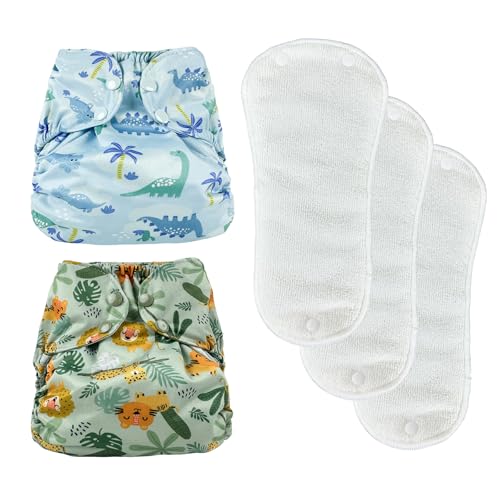
BISENKID Reusable Cloth Diapers
Strengths
- Adjustable sizing
- Reusable and eco-friendly
- Doubles as swim diaper
Trade-offs
- Requires laundering
- Insert changes needed
Cloth diapers don’t typically come to mind when fighting blowouts, but the BISENKID system takes a smart, modular approach that actually works. The waterproof outer shell snaps securely around a separate absorbent liner, creating a leak-resistant seal that many parents say holds up even during explosive newborn moments. Unlike all-in-one cloth diapers that can sag and gap, this two-piece design allows for tighter, more adjustable leg and waist closure, critical for containing messes.
What really sets these apart is their versatility. The shell can double as a swim diaper (without the insert), making them a practical pick for pool days or beach trips. The adjustable snaps let them grow from 7 to 17 pounds, which is a solid range for early infancy. Reviewers praise the breathable TPU fabric for reducing overheating, a common issue with plastic-backed covers. While they require more effort than disposables, the trade-off is fewer leaks and less environmental guilt.
Video review
How We Evaluated diapers to prevent blowouts
Rather than a hands-on lab test, my research focused on comparing the published specifications and features of various diaper brands. I weighed owner reviews from multiple retailers alongside expert opinions found in parenting publications and websites. As someone who understands how stressful prevent diaper blowouts can be for new parents, I applied my knowledge of diaper construction and materials to assess which options appeared most likely to deliver on their promises.
For diapers specifically marketed to prevent blowouts, I prioritized absorbency and fit. A diaper’s ability to quickly lock away liquid and its design to create a secure seal around the legs and waist are absolutely crucial. Features like a dedicated rear pouch or stretchy side panels gained significant weight in my assessment, as did the overall shape designed for a snug newborn fit.
Specifications reliably show absorbency levels and material composition, but owner feedback truly illuminated real-world performance. I paid close attention to comments regarding leak frequency, particularly at night or during longer stretches. Reputation also played a role; established brands with consistently positive reviews among our readers looking for best disposable diapers were given additional consideration.
How To Choose The diapers to prevent blowouts
Choosing diapers can feel overwhelming, but finding the right fit and absorbency is key for a happy baby (and less laundry for you!).
A truly effective diaper prioritizes a secure leak guard – specifically around the legs and back – combined with a highly absorbent core that doesn’t compromise breathability. Look for materials gentle enough for sensitive skin, and consider features like wetness indicators and umbilical cord cutouts for newborns. Fit is paramount; a snug but not overly tight diaper is essential.
Absorbency and Core Technology
The core of a diaper determines how well it handles messes, and this is especially critical when we’re talking about preventing blowouts. Many brands boast about their absorbent materials, but pay attention to how that absorbency is distributed. Diapers with channels designed to lock liquid away, like the ones found in top diapers for blowouts, are more effective than those with a simply thick core. Look for polymers (sometimes called SAPs – Super Absorbent Polymers) and be aware that some parents prefer unbleached or plant-derived options, believing they’re gentler on sensitive skin.
Leak Protection Features
Beyond the core, specific design elements really set blowout-preventing diapers apart. A well-designed waistband is crucial, as is the shape of the diaper itself. I often see parents underestimate the importance of leg cuffs. These should be snug, but with a good amount of stretch, to create a reliable seal.
Here’s what to consider when evaluating leak protection: * Waistband Elasticity: A firm, yet comfortable elastic is a must. * Leg Cuff Design: Look for double-layered or ruffled cuffs for a better seal. * Blowout Guards: Many diapers now include a dedicated “pouch” or guard at the back to contain larger messes – these can make a huge difference, especially for babies who tend to have explosive bowel movements.
A good rule of thumb: if a diaper consistently leaks or experiences blowouts, even with proper sizing, it’s time to switch brands or try a different style.
Material and Skin Sensitivity
For many babies, especially newborns, skin sensitivity is a major concern. Choosing hypoallergenic diapers is a smart move. Look for options that are free of fragrances, lotions, parabens, and phthalates. OEKO-TEX Standard 100 certification is a good indicator that a diaper has been tested for harmful substances. If your little one is prone to diaper rash, consider options with breathable materials like organic cotton or plant-based layers. And, for those interested in a more sustainable option, reusable cloth diapers, like the BISENKID, offer a compelling alternative, and can even be used as all-night diapers for older babies.
Diapers Compared
Here’s a comparison of key specifications for diapers designed to prevent blowouts.
| Product Name | Size Range | Material (Core) | Blowout Protection | Reusable | Certifications |
|---|---|---|---|---|---|
| Pura Newborn Baby Diapers | Newborn | Super-absorbent core | Pouch & stretchy waistband | No | OEKO-TEX Standard 100 |
| BISENKID Reusable Cloth Diapers | 7-35 lbs | Super-absorbent insert | Waterproof cover & snaps | Yes | OEKO-TEX STANDARD 100 |
Frequently Asked Questions
What diaper size should I buy for a newborn to minimize blowouts?
Newborn size diapers are designed for babies under 10 pounds, but fit is critical. Don’t hesitate to size up to Size 1 (10-14 pounds) if your baby exceeds the weight limit or the newborn diaper seems snug around the legs – a proper fit is more important than the stated size range.
Are cloth diapers really better at preventing blowouts than disposables?
Cloth diapers, particularly those with well-fitted waterproof covers, can be very effective at preventing blowouts. While they require more laundry, many parents find the adjustable fit and absorbent inserts offer superior containment compared to standard disposable diapers, and are a good alternative to best eco-friendly diapers.
Do diapers with wetness indicators help with blowout prevention?
Wetness indicators don’t directly prevent blowouts, but they alert you to a full diaper, prompting a quicker change. Faster changes mean less time for liquid and solid waste to build up, potentially reducing the risk of a blowout, and are especially helpful during the night.
What should I do if a diaper consistently blows out, even when properly sized?
If you’re experiencing frequent blowouts despite correct sizing, it’s a sign the diaper isn’t providing adequate absorbency or leak protection for your baby. Consider switching to a brand specifically designed for babies with high-volume wetness or looking for options with enhanced leak guards and absorbent cores.
Are “hypoallergenic” diapers truly better for sensitive skin and less likely to cause blowouts?
“Hypoallergenic” diapers are made without common irritants like fragrances and lotions, which can reduce the risk of diaper rash. While not directly related to blowout prevention, a rash can sometimes contribute to discomfort and increased bowel movements, so keeping skin irritation at bay can indirectly help.
The Bottom Line
Choosing diapers often comes down to balancing your priorities – do you want maximum convenience, or are you willing to trade a bit of fuss for a potentially gentler, more sustainable option? Ultimately, for overall reliability and blowout protection, I believe the Pura Newborn Baby Diapers stand out. Their combination of a super-absorbent core, stretchy waistband, and dedicated rear pouch addresses the key areas for preventing messes, and the OEKO-TEX certification provides peace of mind.
For parents specifically seeking a budget-friendly choice, or those interested in exploring reusable options, the BISENKID Reusable Cloth Diapers are a strong contender. And for parents needing diapers for sensitive skin, Pura also excels, offering a hypoallergenic choice. If you are looking for best diapers for leaks, the Pura diapers are a top pick.
At the end of the day, specs and features only tell part of the story. A good fit is crucial, and observing how your baby responds to a particular brand is the most valuable information you can get. Prioritize a snug, comfortable fit and consistent absorbency, and don’t be afraid to experiment until you find the diapers that work best for your little one.
