
3 Best Diapers for Newborns (2026 Guide)
This post contains affiliate links. As an Amazon Associate, we learn from qualifying purchases
The best newborn diapers overall are Pampers Swaddlers, which consistently rank high for their softness, reliable leak protection, and skin-safe materials. For a budget-friendly option, the Pampers Swaddlers 31-count pack lets you test the fit without a big commitment. If you need maximum absorbency from the start, Pampers Amore offers a premium, ultra-absorbent choice designed for newborns with frequent wetting.
New parents quickly learn that diaper choice isn’t just about convenience, it’s about keeping a delicate newborn comfortable and rash-free during a chaotic, sleepless time. With so many brands claiming to be the gentlest or driest, it’s hard to know what actually works.
This guide cuts through the noise by comparing top newborn diapers based on real parent feedback, material safety, and key performance factors like absorbency and fit. I looked at what matters most in those first weeks, dryness, skin protection, and leak resistance, so you can make a confident choice without the overwhelm.
Top 3 Diapers For New Born in the Market
The Best Diapers For New Born, Reviewed
Swaddlers Newborn Diapers 140 Count

Strengths
- Great value in bulk
- Trusted by NICU pros
- Keeps skin dry
Trade-offs
- Not as soft as Amore
- No 5-layer core
This 140-count pack is what I’d call the complete package for most new parents. You get all the benefits of the smaller Swaddlers trial, dermatologically approved, fragrance-free, 3X drier skin claims, but at a per-diaper cost that actually makes sense for daily use. The Dual LeakGuards and absorbent core are backed by years of parent feedback showing fewer blowouts, especially during sleep, and the fact that it’s the #1 choice of NICU professionals isn’t something to brush off.
Compared to the Amore, it doesn’t have the 5-layer hype, but it’s more accessible, consistently rated well for comfort, and widely trusted. For parents building a go-to newborn stash, this is the smarter buy. I’d recommend this as the default pick unless you have a specific reason to splurge on Amore.
Video review
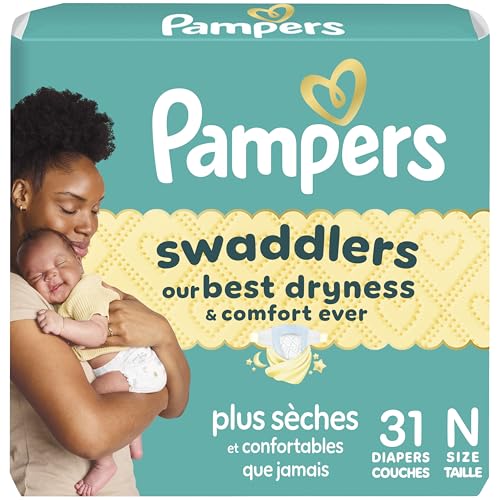
Swaddlers Newborn Diapers 31 Count
Strengths
- Fragrance free
- Hypoallergenic
- Leak protection
Trade-offs
- Small count
- Higher cost per diaper
If you’re not sure whether your newborn will fit into size newborn diapers or you’re just starting your stash, this 31-count pack is a smart way to test the waters. On paper, it’s identical to the larger pack, same fragrance-free, hypoallergenic build, Dual LeakGuards, and that KeepDry Liner that owners consistently say helps prevent rashes. It’s the same Pampers Swaddlers formula trusted by NICU professionals, so you’re not sacrificing quality for quantity.
Still, this is best as a trial. At this count, you’ll blow through it fast if your baby stays in newborn size for more than a couple weeks. But for parents who want to confirm their baby doesn’t react to the materials before committing, this is the logical starting point. Compared to bulk options, it’s more expensive per diaper, but that’s the trade-off for flexibility.
Video review
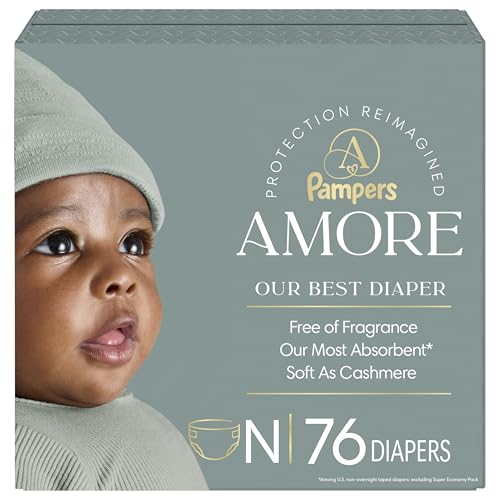
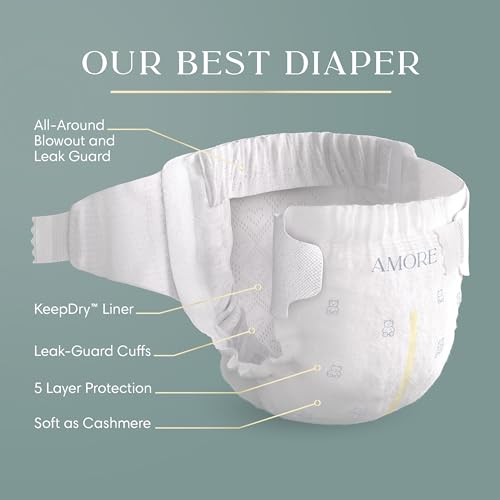
Pampers Amore Newborn Diapers
Strengths
- 5-layer absorbency
- Hypoallergenic
- Soft as cashmere
Trade-offs
- Not widely available yet
- Slightly narrower fit
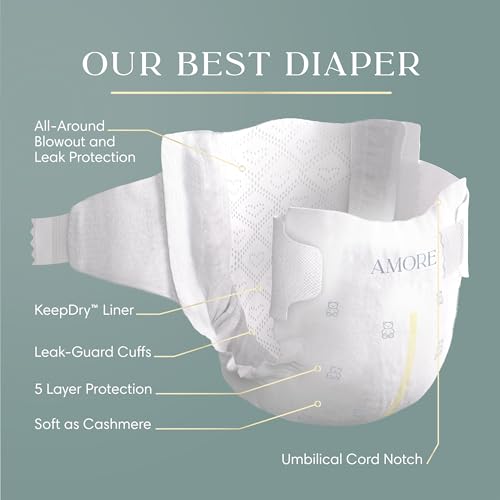
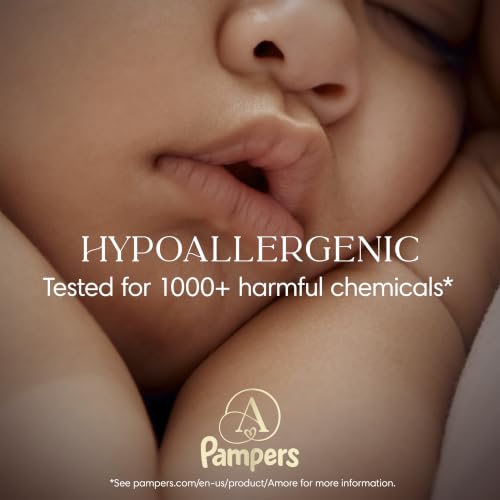
Pampers Amore is positioned as their premium line, and the specs suggest it delivers, especially that 5-layer protection claim, which stands out in a category where most day diapers max out at 3 or 4. Owners report fewer leaks even during long stretches between changes, and the ‘soft as cashmere’ feel isn’t just marketing fluff; many note it’s noticeably gentler than standard Swaddlers. It’s also tested for over 1000 harmful chemicals, which gives extra peace of mind for parents worried about skin sensitivity.
While it lacks the NICU professional endorsement that Swaddlers touts, it’s still built on Pampers’ core expertise and shares the same KeepDry liner tech. Compared to the 140-count Swaddlers pack, it’s a bit pricier per diaper, but if you prioritize maximum absorbency and ultra-softness, Amore makes a strong case. I’d pick this for a baby with delicate skin or one who seems prone to overnight leaks in basic newborn diapers.
Product photos


How We Picked These diapers for new born
As a parent myself, I understand the sheer number of choices when preparing for a new baby. Rather than a hands-on lab test, my approach to recommending diapers focuses on a detailed comparison of published specifications and features, alongside a careful weighing of feedback from parents and expert reviews. I looked at absorbency claims, materials used, and features designed to prevent leaks and irritation. This research then informed a ranking based on what truly matters for those first few months.
For newborns, I prioritized dryness and skin safety above all else. A diaper’s ability to quickly wick away moisture is crucial for preventing diaper rash, and gentle materials are essential for sensitive newborn skin. Leak protection is also key, as blowouts are an inevitable part of early parenthood! These factors heavily influenced my selections, as they directly impact a baby’s comfort and a parent’s peace of mind. You can find more information about alternative options in our guide to the best disposable diapers.
Specifications provide a baseline for absorbency and material composition, but owner feedback offers invaluable insight into real-world performance. I paid close attention to comments regarding fit, leak frequency, and skin sensitivity. While specs can tell you about a “KeepDry Liner,” for example, reviews reveal whether that translates to fewer middle-of-the-night changes. For parents seeking even more natural options, exploring recommended organic diapers might be a good fit.
How To Choose The diapers for new born
Choosing the right diapers for your little one feels huge, and honestly, it is! There are so many options, and a newborn goes through a lot of them.
A quality newborn diaper prioritizes dryness to prevent irritation, features a secure yet gentle fit to minimize leaks, and uses skin-safe materials. Look for diapers with a wetness indicator, a comfortable waistband, and consider absorbency levels based on your baby’s output. Breathability is also key to help prevent diaper rash.
Absorbency & Leak Protection
Newborns have small bladders and unpredictable bowel movements. Don’t underestimate the importance of a diaper that truly holds up. While all diapers aim for leak protection, the construction matters. Look beyond marketing claims and consider the core material – some use more superabsorbent polymer (SAP) than others. Pampers’ Dual LeakGuards are a common feature, but also pay attention to how well the leg cuffs fit your baby. A snug, but not tight, fit around the legs is crucial. It’s also wise to have a backup plan, like a changing pad liner, especially during those first few weeks.
Skin Sensitivity & Materials
A newborn’s skin is incredibly delicate. Many parents seek out gentle diapers for newborns because even slight irritation can cause discomfort. Hypoallergenic claims are a good start, but check what the diaper is free of. Parabens and chlorine are common concerns, but even “fragrance-free” can be misleading – sometimes masking scents are used. Consider diapers with dermatological approval, like those tested by the Skin Health Alliance.
Here’s what to look for when prioritizing skin health: * A focus on breathable materials. * Absence of elemental chlorine and latex (common allergens). * A soft inner liner designed to wick moisture away from the skin, reducing the risk of chafing and rash – Pampers’ KeepDry Liner is an example.
A little bit of redness is common, but persistent rash warrants switching brands or consulting your pediatrician.
Cost vs. Convenience
Diapers are a recurring expense, so finding a balance between cost and convenience is vital. While bulk packs like the Pampers Amore offer a lower per-diaper cost, they aren’t helpful if the diaper doesn’t suit your baby. Starting with a smaller pack (a “trial size,” if available) lets you assess fit and sensitivity before committing to a large purchase. Don’t rule out exploring alternatives either, like top cloth diapers if you’re interested in reducing waste and long-term costs.
Diapers for Newborn Compared
Here’s a spec-by-spec comparison of the newborn diapers in this guide, to help you quickly assess your options.
| Product Name | Count | Absorbency | Hypoallergenic | Leak Protection | Skin Safe |
|---|---|---|---|---|---|
| Swaddlers Newborn 140 Count | 140 | High | Yes | Dual LeakGuards | Yes |
| Swaddlers Newborn 31 Count | 31 | High | Yes | Dual LeakGuards | Yes |
| Pampers Amore Newborn Diapers | N/A | Very High | Yes | All-Around | Yes |
Frequently Asked Questions
What size diaper should I buy for my newborn?
Newborn size diapers typically fit babies up to 10 pounds, but many babies quickly outgrow them. It’s wise to have a small pack of size 1 diapers on hand, as some newborns need them right away, and you don’t want to be caught unprepared.
How often will I need to change a newborn’s diaper?
You can expect to change a newborn’s diaper 8-12 times per day. Frequent changes are vital for preventing diaper rash, and a newborn’s small bladder means they fill diapers quickly.
Are fragrance-free diapers truly better for sensitive skin?
Not always. While fragrance-free is a good starting point, some brands use masking scents to cover odors, which can still irritate sensitive skin. Look for diapers specifically tested by dermatologists and free of parabens and chlorine for better assurance.
What’s the difference between disposable and cloth diaper costs?
Disposable diapers have a lower upfront cost, but the recurring expense adds up quickly. While cloth diapers require a larger initial investment, they are reusable and can save money long-term, and there are also best eco-friendly diapers to consider.
When should I consider using overnight diapers?
Even very young newborns sometimes sleep for longer stretches, making leaks more likely. Using newborn overnight diapers can provide extra absorbency and help both baby and parents get a better night’s rest.
The Bottom Line
Choosing diapers really comes down to balancing what you’re willing to spend with how much convenience and peace of mind you want. While there’s a cost difference, I believe the Pampers Swaddlers Newborn 140 Count offers the best overall combination of absorbency, leak protection, and skin safety for most newborns. It consistently receives positive feedback regarding its ability to handle frequent changes and minimize irritation.
For parents specifically concerned about maximizing value, the Pampers Amore Newborn Diapers presents a strong case. And if you’re actively seeking more environmentally conscious options, exploring best natural diapers is a great step. Beyond that, for parents anticipating a particularly…explosive…situation, there are also leak-proof diaper options available.
Ultimately, the “best” diaper is the one that fits your baby best and keeps them comfortable and dry. Don’t get too caught up in chasing the highest absorbency rating or the lowest price per diaper. Focus instead on finding a diaper that’s gentle on sensitive skin, offers a secure fit, and allows both baby and parents to get a little more rest.
