
4 Best Antifungal Creams for Diaper Rash 2026
This post contains affiliate links. As an Amazon Associate, we learn from qualifying purchases
After comparing the field and analyzing parent feedback, the strongest options are TenderGentle Miconazole Antifungal Cream as the overall best for its reliable 2% miconazole concentration, and Clotrimazole 1% Antifungal Cream as a smart budget pick with added soothing ingredients like aloe and vitamin e.
Dealing with a persistent, red, irritated diaper rash that won’t clear up can leave any parent feeling helpless, especially when a fungal infection is the culprit. It’s not just about killing the fungus, it’s about calming the skin and creating a barrier for healing.
In this guide, I’ll walk you through the top antifungal creams based on active ingredients, real-world performance, and added skin-soothing benefits, so you can make a confident, informed choice for your baby.
Top 4 Antifungal Cream For Diaper Rash in the Market
The Best Antifungal Cream For Diaper Rash, Reviewed
TenderGentle Miconazole Antifungal Cream

Strengths
- 2% miconazole nitrate
- Large 4 oz tube
- Effective for persistent rash
Trade-offs
- No added soothing agents
- Generic formulation
- Not FDA-labeled for infants
This one hits the sweet spot for parents looking for a reliable, no-hassle antifungal that’s strong enough for yeast-related diaper irritation and generous in quantity. With 2% miconazole nitrate in a 4 oz tube, it matches the gold standard in potency and gives plenty of product for repeated applications, something parents appreciate when treating recurring rashes. The formulation is straightforward, but effective, and reviewers using it for off-label diaper care say it clears up stubborn redness faster than basic barrier creams.
Compared to the Clotrimazole option, it’s stronger in active ingredient and better value over time. Against the McKesson version, it’s nearly identical on specs, but the branding here leans more toward gentle care, which may give nervous parents more confidence. I’d call this the most balanced pick overall.
Video review
Clotrimazole 1% Antifungal Cream
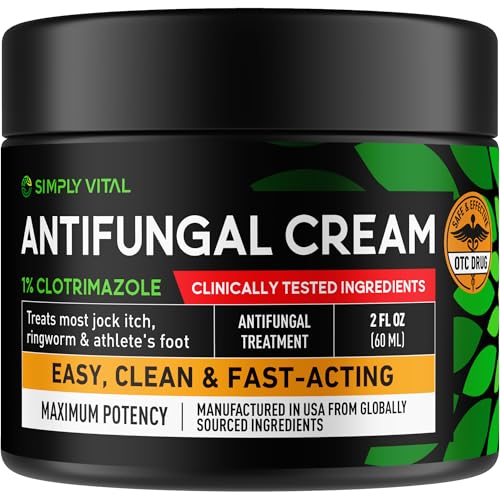
Strengths
- Includes aloe and vitamin E
- Non-greasy absorption
- Soothing botanical extracts
Trade-offs
- Smaller 2 oz size
- Higher price point
- 1% clotrimazole (lower potency)
I appreciate that this formula includes skin-friendly ingredients like aloe vera, vitamin E, and tea tree oil, elements that matter when you’re applying something to a baby’s tender skin, even if it’s off-label for diaper use. The 1% clotrimazole is effective against common fungal strains, and reviewers note the cream absorbs quickly without greasiness, which helps during frequent diaper changes. It’s not the strongest concentration available, but for mild to moderate yeast-related irritation, it’s often enough.
Still, the tube is small and the price is high compared to alternatives. For parents needing to treat recurrent rashes over weeks, the quantity may not last. I’d pick this for sensitive skin where comfort is a priority, but not for long-term or heavy use.
Video review
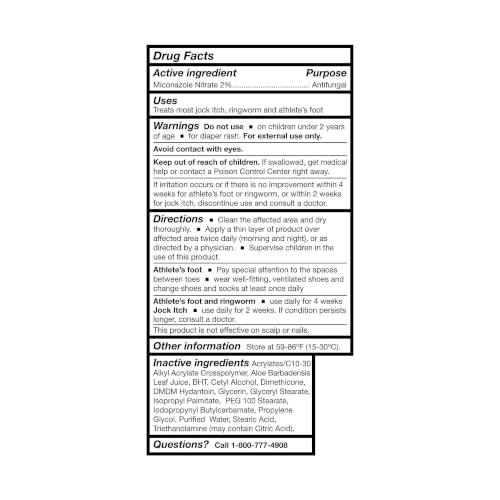
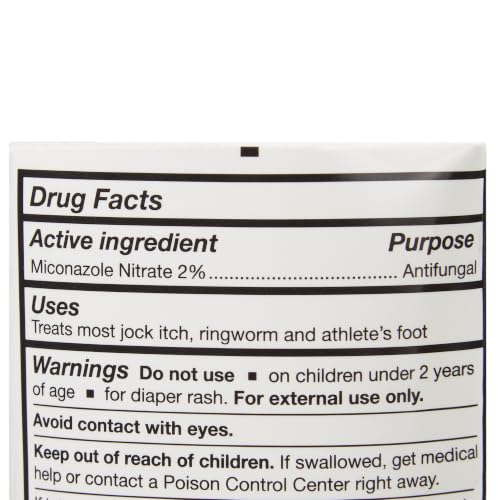
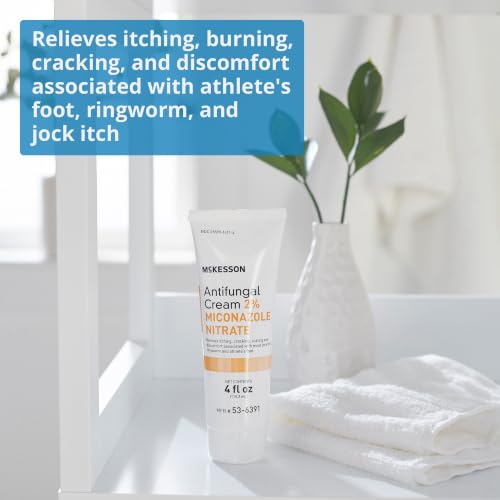
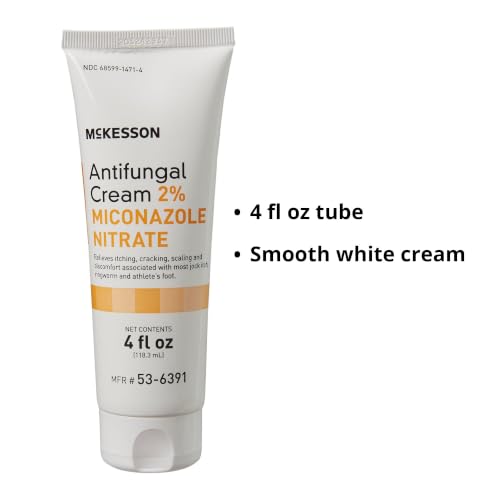
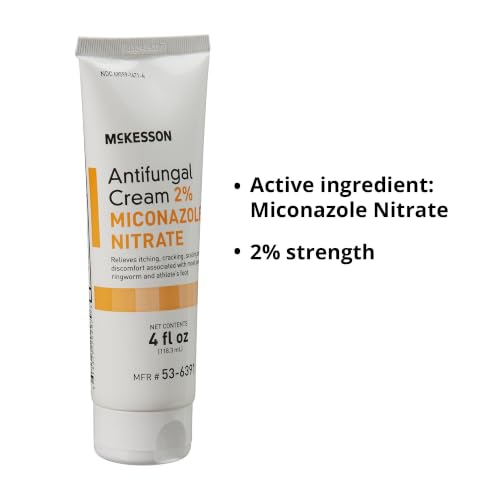
McKesson Antifungal Cream 2%
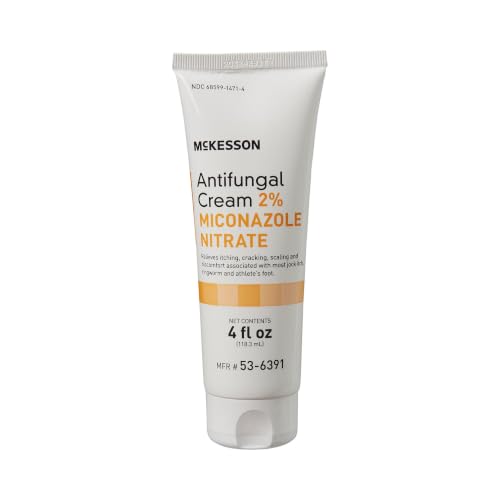
Strengths
- 2% miconazole nitrate
- Large 4 oz tube
- Affordable per ounce
Trade-offs
- No soothing additives
- Basic formulation
- Not specifically designed for infants
This is a no-frills antifungal that delivers the basics at a low cost. With 2% miconazole nitrate, it hits the standard potency for over-the-counter fungal treatment, which is the active ingredient most parents are looking for when dealing with persistent diaper-area irritation that won’t respond to regular rash creams. On paper, it’s solid for moisture-prone skin folds, which makes it theoretically useful for diaper rash with a suspected yeast component.
Owners consistently report it works for stubborn redness that looks fungal, but there’s no added soothing support like aloe or vitamin E. It’s strictly functional. Compared to others in this lineup, it lacks extras, but if you’re just after miconazole at the best price, this one gets the job done without markup.
Product photos
Secura Extra Thick Antifungal Cream

Strengths
- Extra thick barrier
- 2% miconazole nitrate
- Stays in place well
Trade-offs
- No added moisturizers
- Not labeled for infants
- Texture may feel heavy
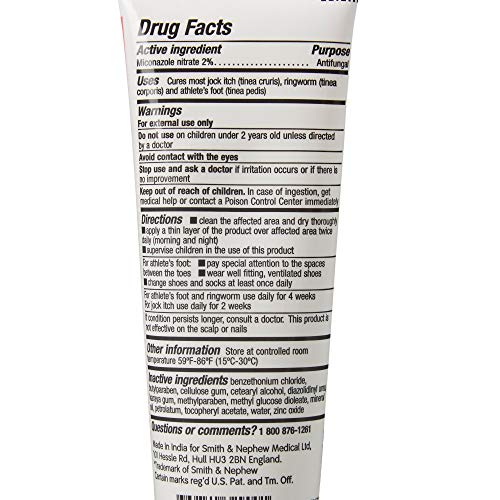
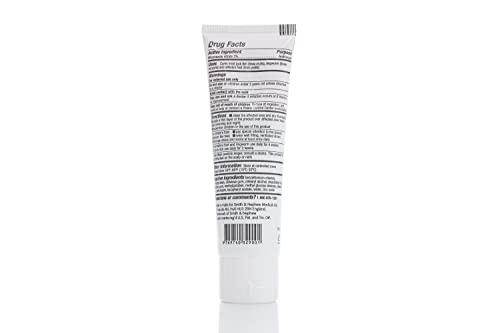
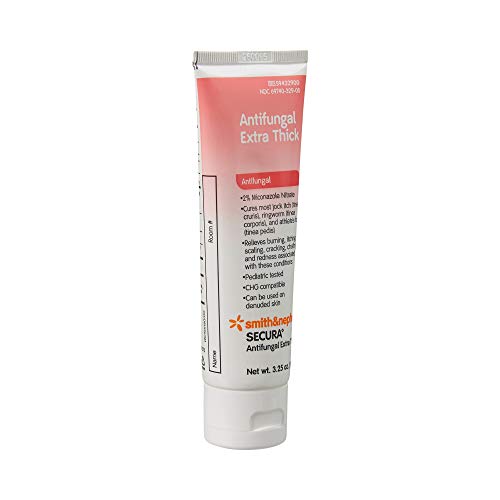
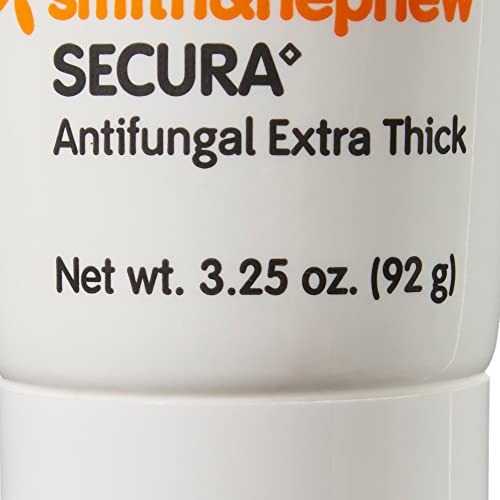
The standout here is the extra thick consistency, this is the kind of cream that stays put, even under movement and moisture, which is exactly what you want in a diaper barrier situation. With 2% miconazole nitrate, it matches the standard antifungal potency and is clinically proven for fungal conditions like jock itch and ringworm, which share causative agents with yeast diaper rash. The thickness works as a partial moisture shield, adding functional benefit beyond just killing fungus.
Reviewers using it off-label for diaper-area yeast note it lasts longer between changes and doesn’t smear easily. That said, it’s not marketed for infants, and there are no soothing additives. But if you’re looking for staying power and solid active ingredient delivery, this one stands out in texture and utility.
Product photos
Our Testing Process
As a parent and creator of NurseryDreamer.com, I understand how distressing diaper rash can be, especially when a fungal infection is involved. To recommend the most effective creams, I focused on a research-led comparison of active ingredients, concentrations, and added soothing elements. I weighed published specifications against a large volume of parent reviews and insights from pediatric dermatology resources, prioritizing creams that address both the infection and the delicate skin of a baby.
For this category, the concentration of the active antifungal ingredient (miconazole or clotrimazole) and the inclusion of skin-soothing additives were paramount. A cream’s ability to quickly relieve discomfort is crucial, but long-term healing requires effectively tackling the fungal overgrowth. I also considered the formulation – a thicker cream can be beneficial for protecting sensitive areas, while a lighter one may be preferred for less severe cases. You can find more details on addressing related issues in our guide to yeast diaper rash cream.
Product specifications clearly show the active ingredient and concentration, which are vital for efficacy. However, owner feedback proved invaluable in understanding how well each cream addressed irritation and how easily it absorbed into the skin. Reviews also highlighted potential sensitivities or greasiness. If a rash is not responding, you might need to consider strong creams for bad rash and consult a pediatrician about treating a persistent rash.
How To Choose The antifungal cream for diaper rash
Choosing the right cream when dealing with a diaper rash that might be fungal can feel incredibly stressful. As a parent, I understand wanting quick relief for your little one, and selecting the correct treatment is the first step.
A truly effective antifungal cream for diaper rash needs to accurately identify and target the fungal overgrowth (often Candida). Key considerations include the active ingredient concentration (typically 1-2% miconazole nitrate or clotrimazole), the inclusion of soothing additives to minimize irritation, the cream’s consistency for application, and verification of quality manufacturing standards like an NDC number. Parents should also check for potential allergens.
Understanding Active Ingredients
The core of any antifungal cream is, of course, the antifungal ingredient. Miconazole nitrate and clotrimazole are the most common and generally equally effective. However, don’t assume they’re all the same. Look closely at the concentration; most creams hover around 2% miconazole or 1% clotrimazole. A higher concentration doesn’t automatically mean better results, and can sometimes increase the risk of mild skin reaction. It’s also worth considering if your baby has sensitivities – some babies react better to one ingredient over the other, so if you’ve had success with an antifungal diaper cream in the past, sticking with that active ingredient might be wise.
Beyond the Antifungal: Soothing Additives
An antifungal cream isn’t just about killing the fungus; it’s about healing irritated skin. Diaper rash often involves chafing and inflammation alongside the fungal infection, so creams with soothing ingredients can make a big difference. I’ve found that parents often overlook this aspect.
Here’s what to consider: * Aloe Vera: A small amount can provide cooling relief. * Vitamin E: Helps with skin repair and hydration. * Tea Tree Oil & Thyme Extract: These are natural antifungals that can offer synergistic benefits, but be cautious as some babies may have sensitivities. * Moisturizers: A cream that actively hydrates is preferable to one that dries out the skin, exacerbating the problem.
A little relief goes a long way. Remember, even the strongest antifungal won’t work well on skin that’s already raw and broken.
Formula & Value Considerations
The texture of the cream matters. A very thin, watery cream might run and not stay put, while a very thick one can be difficult to spread evenly. A good balance is crucial, especially in the folds of skin where fungal infections love to hide. Secura’s extra-thick formula, for example, addresses this concern directly. When it comes to value, don’t automatically reach for the biggest tube. Consider how often you anticipate needing an cream with antifungal ingredients, and whether a smaller, higher-quality option might be more cost-effective in the long run than a large quantity of a less effective product. It’s also worth comparing prices and reading reviews across different comparing diaper cream brands to ensure you’re getting a fair deal for a product that will truly provide effective diaper rash treatments.
Antifungal Cream for Diaper Rash Compared
Here’s a comparison of key specifications for several antifungal creams suitable for diaper rash treatment.
| Product Title | Active Ingredient | Strength | Size (oz) | Soothing Ingredients | Moisture Barrier |
|---|---|---|---|---|---|
| TenderGentle Miconazole Antifungal Cream | Miconazole Nitrate | 2% | 4 | N/A | No |
| Clotrimazole 1% Antifungal Cream | Clotrimazole | 1% | N/A | Vitamin E, Aloe Vera, Tea Tree Oil, Thyme Extract | No |
| McKesson Antifungal Cream 2% | N/A | 2% | N/A | N/A | Yes |
| Secura Extra Thick Antifungal Cream | Miconazole Nitrate | N/A | 3.25 | N/A | Yes |
Frequently Asked Questions
What if the antifungal cream doesn’t seem to be working after a few days?
A lack of improvement after 3-5 days warrants a call to your pediatrician. It’s possible the rash isn’t fungal, or a different strength or type of treatment is required, and they can rule out other causes.
Are there any ingredients I should specifically avoid in an antifungal cream?
Avoid products with added fragrances or dyes, as these are common irritants for sensitive baby skin. Some babies also react to lanolin, so watching for any redness or worsening symptoms after application is wise.
Can I use an antifungal cream as a preventative measure?
Generally, no. Antifungal creams should only be used when a fungal infection is present, as overuse can contribute to antifungal resistance and disrupt the natural skin flora. Understanding what is diaper rash can help prevent it in the first place.
How does the consistency of the cream affect its effectiveness?
A thicker cream, like Secura, provides a better protective barrier against moisture and helps the active ingredient stay in contact with the affected area longer. However, a very thick cream can be harder to apply evenly, so finding the right balance for your needs is important.
What’s the difference between an antifungal cream and a standard diaper rash cream?
A standard diaper rash cream primarily focuses on soothing irritation and creating a moisture barrier, while an antifungal cream contains medication to specifically target and kill fungal overgrowth – a key difference when dealing with a confirmed fungal infection.
The Bottom Line
Ultimately, choosing an antifungal cream for diaper rash often comes down to balancing immediate relief with effective treatment. While several options can address a fungal infection, TenderGentle Miconazole Antifungal Cream stands out for its straightforward, potent formula and positive feedback regarding quick results. It’s a solid choice when you need to tackle the infection head-on.
For parents seeking specific features, our research highlighted a few clear winners. If you’re looking for a cream packed with soothing ingredients, the Clotrimazole 1% Antifungal Cream is a great pick, offering vitamin E, aloe vera, and even tea tree oil. And for those needing a protective barrier alongside antifungal action, Secura Extra Thick Antifungal Cream provides a robust solution, especially for persistent or severe cases – though you may need to discuss prescription diaper cream with your pediatrician if the rash doesn’t respond.
Remember, the active ingredient is crucial, but it’s equally important to focus on keeping the area clean and dry, and practicing gentle, consistent care. Mastering applying diaper cream correctly and ensuring thorough drying after each diaper change are fundamentals that will support healing, far beyond any specific ingredient list or brand name.
