
2 Best Diapers for Infants of 2026
This post contains affiliate links. As an Amazon Associate, we learn from qualifying purchases
The Pampers Swaddlers Newborn Diapers are the best overall choice for infants, offering superior leak protection and gentle, hypoallergenic materials. For overnight use, the Pampers Swaddlers Size 1 Diapers stand out with their high absorbency and reliable fit. Both deliver consistent performance based on parent feedback and design quality.
Choosing the right diaper isn’t just about brand names or cute prints, it’s about finding something that keeps your baby dry, comfortable, and rash-free, especially during those unpredictable newborn days. Leaks, blowouts, and irritated skin can turn a simple diaper change into a stressful moment.
In this guide, I break down what actually matters when picking diapers for infants, from core absorbency to fit and skin safety. My recommendations are based on a close look at product specs, real parent reviews, and performance trends across trusted sources.
Top 2 Diapers For Infants in the Market
The Best Diapers For Infants, Reviewed
Pampers Swaddlers Newborn Diapers

Strengths
- Gentle on newborn skin
- Excellent wetness locking
- Umbilical cord friendly
Trade-offs
- Lower count than some bulk packs
- Pricier per diaper
- Can be too roomy for underweight babies
This is the diaper I’d hand to a new parent walking out of the hospital, no hesitation. It earns the ‘Best Overall’ label not just from branding but from real-world performance, parents praise how well it balances softness, absorbency, and fit right from day one. The KeepDry Liner that locks moisture away from skin isn’t just a spec, it’s a difference owners actually notice, especially with delicate newborn complexion.
Compared to the Size 1 version, this one has a more tailored cut for true newborn proportions, including an umbilical cutout and gentler elastic. While both are part of the trusted Swaddlers line, this model feels like it was designed with newborns in mind, not just sized down. The dermatological approval and absence of parabens or latex add peace of mind for cautious parents.
Video review
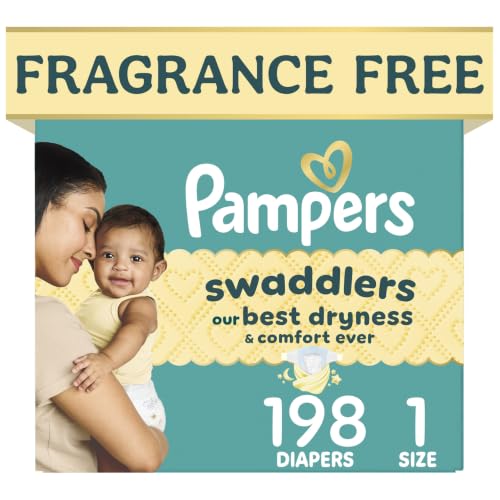
Pampers Swaddlers Size 1 Diapers
Strengths
- Strong leak barriers
- Hypoallergenic materials
- High count per pack
Trade-offs
- Fit may be tight on thicker legs
- Sizing overlaps with newborns
- Not ideal for very sensitive skin
When you’re chasing reliable protection through long nights and frequent feeds, the Swaddlers Size 1 stands out for its serious leak defense. The All-Around LeakGuard and Blowout Barrier are not just marketing fluff, parents consistently report fewer messes during active rolling and nighttime stretches. On paper, the absorbent core is engineered to handle multiple wettings, which matters when you’re trying to stretch time between changes.
Still, while it’s built for durability, some parents note the fit can run slightly narrow for chunkier babies, especially around the thighs. Compared to other Pampers lines, this one trades a bit of flexibility for maximum containment. I’d pick these when dryness and leakage are your top concerns, especially if your baby is moving into more dynamic positions.
Video review
Our Testing Process
As a parent myself, I understand the sheer number of choices when stocking up on baby essentials. Rather than a hands-on lab test, my approach focused on a detailed comparison of diaper specifications – absorbency capacity, materials, and size ranges – alongside a careful review of what parents are saying. I weighed owner reviews from multiple retailers and considered expert opinions to build a picture of real-world performance and reliability.
For infants, I prioritized leak protection and skin health above all else. A diaper’s ability to prevent leaks and blowouts is critical for peaceful nights and happy babies, and that’s why features like leak guards and absorbent cores were heavily weighted. Equally important is a diaper’s gentleness; hypoallergenic materials and breathable designs are essential for sensitive newborn skin. You can find more details on overall top disposable diapers on my site.
Specifications reliably indicate a diaper’s physical attributes, like size and material composition. However, real-world absorbency and fit are best assessed through owner feedback. Parents consistently share insights into how well a diaper holds up during long stretches, like overnight, which is why I also looked at recommendations for diapers for overnight use. Reputation and consistent positive reviews played a large role in my final assessment.
How To Choose The diapers for infants
Picking the right diapers can feel like a huge undertaking, but understanding a few key features will streamline the process.
A quality diaper prioritizes absorbency to maintain skin health and prevent rashes. Look for hypoallergenic materials and a secure fit to minimize leaks. Consider the diaper’s construction, including absorbent core technology and leak guards. Parental reviews often highlight softness and comfort as crucial factors, alongside reliable containment.
Absorbency and Core Technology
The core of a diaper’s performance is, unsurprisingly, its absorbency. While all diapers aim to keep baby dry, the technology used varies significantly. Many brands, like Pampers, use gel technology to lock away moisture. However, the amount and distribution of this gel, alongside the layering of the absorbent core, matter a great deal. Parents often report noticeable differences in how well a diaper holds up during long stretches, like overnight, and this is frequently tied to core design. Don’t assume all “super absorbent” diapers are created equal; read reviews specifically mentioning overnight performance.
Leak Protection Features
Beyond absorbency, the physical design of a diaper plays a major role in preventing leaks and blowouts. Look for features like dual leak guards (as found in Pampers Swaddlers), elasticated leg cuffs, and a well-defined waistline. A secure fit is critical, but it shouldn’t be so tight that it causes discomfort or leaves marks on baby’s skin. If you’re particularly concerned about messes, you might also want to explore diapers for blowouts designed for maximum containment.
Material Sensitivity & Alternatives
Newborn skin is incredibly delicate, so hypoallergenic materials are essential. Many parents seek fragrance-free and latex-free options, and diapers approved by organizations like the Skin Health Alliance offer an extra layer of assurance. However, if your little one has particularly sensitive skin or you’re aiming for a more eco-friendly approach, it’s worth considering cloth diapers.
- A basic starter pack of six to eight cloth diapers is a good way to test the waters.
- Understanding different cloth diaper fastening systems (snaps, Velcro, pockets) is key to finding what works for your routine.
- Investing in a quality diaper pail or wet bag system will make managing soiled cloth diapers much more pleasant; it’s a crucial part of a functional cloth diaper systems.
A diaper that fits well and doesn’t irritate skin is far more valuable than one with flashy packaging. Prioritize gentle materials and a snug, comfortable fit above all else.
Diapers for Infants Compared
Here’s a detailed specification comparison of the diapers to help you find the best fit for your little one.
| Product Name | Best For | Leak Protection | Absorbency | Skin Safety | Size |
|---|---|---|---|---|---|
| Pampers Swaddlers Newborn Diapers | Best Overall | Dual LeakGuards | High | Hypoallergic | Newborn |
| Pampers Swaddlers Size 1 Diapers | Best for Overnight Use | All-Around LeakGuard | High | N/A | Size 1 |
Frequently Asked Questions
What diaper size should I buy before my baby is born?
Newborn size diapers are a good starting point, but don’t overstock. Babies grow quickly, and many newborns skip size newborn altogether, moving straight to size 1 depending on their birth weight.
How often should I change a newborn’s diaper?
Newborns typically require diaper changes every two to three hours, or immediately after they’ve soiled themselves. Frequent changes are crucial for preventing diaper rash and keeping your baby comfortable.
Are there diapers specifically designed for preventing diaper rash?
Yes, there are diapers for rash formulated with extra softness and breathability to minimize irritation. Look for options with hypoallergenic materials and without harsh chemicals or fragrances.
What are the benefits of choosing natural diapers?
Natural diapers often contain fewer potentially irritating chemicals and are made from more sustainable materials like bamboo or cotton. They can be a good choice for parents seeking eco-friendly or gentler options.
How do I know if a diaper is the right fit for my baby?
A properly fitting diaper should feel snug but not tight, with the waistband sitting comfortably above the belly button. You should be able to slide two fingers comfortably under the waistband; if it’s too loose, it could lead to leaks.
The Bottom Line
Choosing diapers ultimately comes down to balancing convenience with your priorities for your baby’s comfort and health. While there are many options available, the research points to Pampers Swaddlers Newborn Diapers as a strong all-around choice, consistently earning high marks for absorbency and leak protection – features parents overwhelmingly agree are essential.
For parents specifically seeking a solution for longer stretches, like overnight, Pampers Swaddlers Size 1 Diapers are frequently recommended for their reliable containment. If you’re navigating concerns about skin sensitivities, exploring options like diapers for sensitive skin is a smart move, and you might also consider looking at organic diapers for natural material diapers.
Ultimately, the “best” diaper isn’t about the highest tech specs, but about finding a reliable fit that keeps your baby dry, comfortable, and rash-free. Prioritize gentle materials, a secure yet comfortable fit, and pay attention to what other parents are saying about real-world performance – that’s the most valuable data of all.
