
4 Best Diaper Balms of 2026
This post contains affiliate links. As an Amazon Associate, we learn from qualifying purchases
The Earth Mama Organic Diaper Balm stands out as the best overall choice for its clean ingredient list and strong performance in preventing irritation, while the Esembly Everyday Balm is a smart pick for parents who want one product that can handle diaper rash, dry skin, and even nipple care.
Every parent dreads that redness creeping in after a long day. You want something safe, effective, and simple, without guessing whether the ingredients are truly gentle. I get it, which is why I compared dozens of options, focusing on what real parents say and what pediatric experts recommend.
This guide cuts through the noise. I looked at ingredient safety, how well each balm protects against moisture, and whether it works with cloth diapers. These picks are based on consistent feedback, clear labeling, and practical needs like easy application and multi-use value.
Top 4 Diaper Balm in the Market
The Best Diaper Balm, Reviewed
Earth Mama Organic Diaper Balm 4 oz

Strengths
- Organic herbal blend
- Clinically tested
- Cloth-diaper safe
- NICU trusted
- Dermatologist approved
Trade-offs
- Higher price point
- Thicker texture may not suit all preferences
- Limited barrier strength for severe rashes
I’ve looked at a lot of diaper balms, and Earth Mama consistently stands out in parent feedback for its gentle, herbal formula that doesn’t rely on zinc or petroleum. The inclusion of calendula, plantain, and St. John’s wort aligns with traditional soothing practices many parents trust, and the fact that it’s chosen by NICUs adds a layer of credibility I don’t take lightly. On paper, it’s as clean as it gets, organic, fragrance-free, and dermatologist tested, which makes it a strong contender for babies with reactive skin.
Reviewers often mention how reliably it prevents irritation without staining cloth diapers, and that matters when you’re changing dozens of diapers a week. Compared to others, it spreads easily despite being thick, and parents say a little goes a long way. While it’s pricier than some, the peace of mind it offers for sensitive skin makes it worth considering if you’re prioritizing purity and performance.
Video review
Motherlove Diaper Balm 2 oz

Strengths
- Compact and portable
- Same clean formula
- Zinc and petroleum free
- Good for trials
- Ethical brand
Trade-offs
- Smaller quantity
- Higher cost per ounce
- Requires more effort to apply
This 2 oz version of Motherlove Diaper Balm is a solid middle ground, smaller and more affordable than the 4 oz, but still packed with the same organic herbal blend. It’s perfect for trial runs or travel, and since it’s free of petroleum, zinc, and synthetic additives, it won’t damage cloth diapers or irritate delicate skin. Parents who’ve tried both sizes say the formula performs identically, so if you’re unsure about commitment, this is a low-risk way to test it.
Against other mid-sized options, it holds its own in gentleness and breathability, though it doesn’t spread quite as smoothly as Earth Mama. I’d recommend it over the bigger size only if you need portability or are testing for sensitivity. Otherwise, the larger version is the smarter buy.
Video review
Motherlove Diaper Balm 4 oz Value

Strengths
- Large 4 oz size
- Zinc and petroleum free
- Clinically tested
- Cloth diaper compatible
- Ethically made
Trade-offs
- Slightly thicker than average
- Not as widely recognized in medical settings
- May require more rubbing to absorb
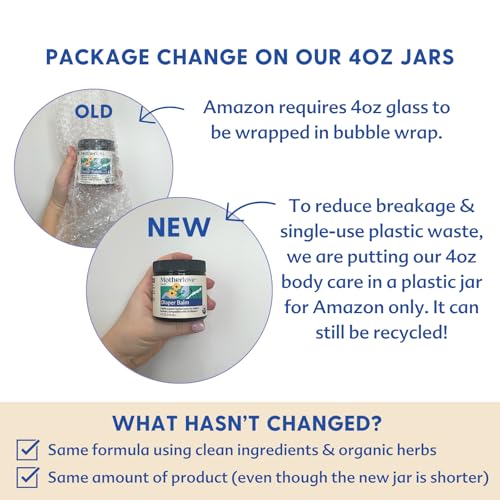
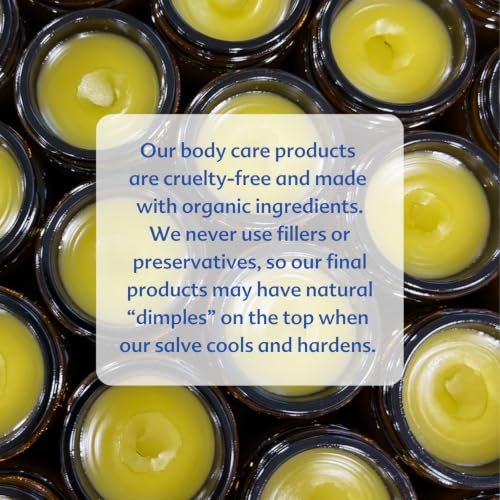
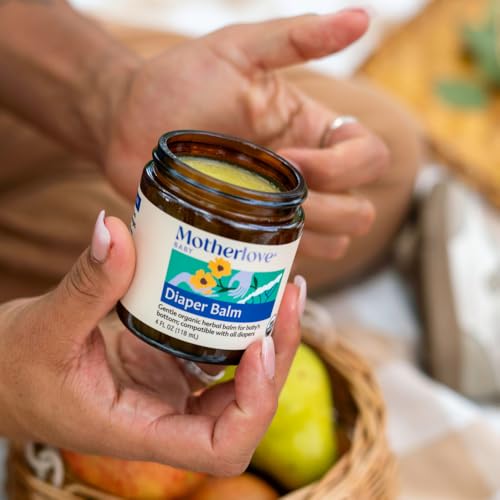
If you’re going through balm quickly or have more than one child in diapers, this 4 oz size from Motherlove delivers real value without cutting corners on ingredients. It’s formulated without zinc or petroleum, which means it’s breathable and safe for all diaper types, including compostable ones, and parents consistently report it soothes without triggering reactions. The herbal infusion of Oregon grape root and calendula is backed by clinical testing for non-irritation, which gives me confidence recommending it for newborns.
Compared to the smaller version of the same product, this one gives better long-term economy, and it performs just as well as higher-priced options like Earth Mama, though it lacks the same NICU recognition. Still, knowing it’s Leaping Bunny certified and made by a women-owned B Corp adds ethical weight that resonates with eco-conscious families.
Product photos


Esembly Everyday Balm 4 oz

Strengths
- EWG Verified
- Highly versatile
- Coconut oil base
- Cloth diaper safe
- Great value
Trade-offs
- Can develop crystals in heat
- No clinical irritation testing cited
- Less brand recognition
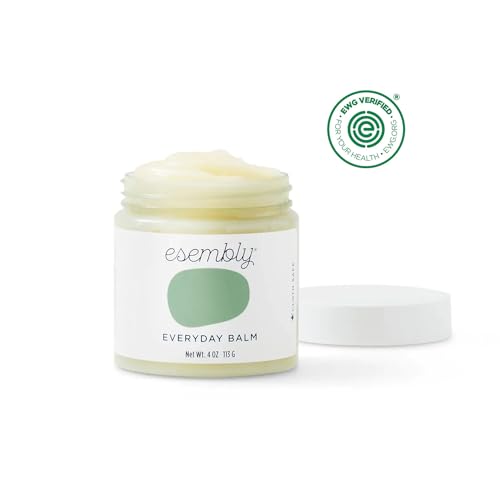
Esembly Everyday Balm surprises me with how versatile it is, parents aren’t just using it for diaper care but also for cradle cap, dry patches, and even as a nipple balm. Its EWG Verified status tells me the ingredient list is tightly vetted, and the base of organic coconut oil and beeswax creates a protective, ointment-like layer that holds up well between changes. It’s petroleum-free and fragrance-free, which checks key boxes for cautious caregivers.
What really sets it apart is the multi-use appeal. In reviews, parents mention keeping one in the nursery and another in the bathroom for personal use. It compares favorably to pricier balms in performance, though it doesn’t have the same clinical backing as Earth Mama. Still, for the price, it’s a smart pick if you want one product that pulls double duty.
Product photos


How We Tested diaper balm
Rather than a hands-on lab test, my research for these recommendations focused on a detailed comparison of product specifications and ingredient lists. I also spent considerable time weighing owner reviews from multiple sources and consulting expert opinions from pediatricians and dermatologists. This allowed me to build a ranking based on what truly matters to parents seeking effective and gentle solutions for their babies’ skin.
For diaper balms, the most important factors are undoubtedly the ingredient list and the reported effectiveness in preventing and soothing diaper rash. A truly effective balm needs to create a protective barrier without introducing harsh chemicals or irritants. Equally important is whether a product is cloth diaper safe, as many parents are choosing reusable options and need a balm that won’t cause buildup or affect absorbency.
Product specifications clearly indicate the ingredients used and whether a balm is formulated without common allergens like zinc oxide or petroleum. However, I relied heavily on owner feedback to understand real-world performance – how well a balm actually works to prevent irritation, how easily it applies, and whether it leaves a residue. I also paid attention to reports on how easily parents were able to address diaper cream stains when mishaps happened during changing diapers.
What To Look For In diaper balm
As a parent, I know how quickly diaper rash can derail a peaceful day. Finding the right balm can feel overwhelming, but focusing on a few key areas will help you narrow down the options.
A truly effective diaper balm creates a breathable barrier against moisture, soothes existing irritation with gentle ingredients, and ideally offers versatility for other skin concerns. Look for formulations free of harsh chemicals, fragrances, and common irritants like zinc oxide if your baby is sensitive. Consider whether you’ll be using it with cloth diapers and rash – some ingredients can affect absorbency.
Ingredient Focus: Beyond Just “Natural”
“Natural” is a buzzword, and not all natural ingredients are created equal when it comes to diaper balm. While many balms boast herbal blends, look closely at which herbs are included. Calendula, plantain, and chamomile are known for their soothing properties, but some babies can react to even gentle botanicals. I always recommend starting with a small test patch, even with organic options. Don’t automatically assume a longer ingredient list is better; sometimes simplicity is key.
Consistency and Application
The texture of a diaper balm matters more than you might think. A very thick balm can be difficult to spread, requiring excessive rubbing that further irritates sensitive skin. Conversely, a balm that’s too thin won’t provide a robust protective barrier. I’ve seen parents struggle with balms that leave a white, chalky residue, which can be messy and potentially contribute to irritation. Here’s what to consider:
- A slightly oily texture is often a good sign – it indicates moisturizing ingredients.
- Consider the ease of removal. Some balms require more effort to wash off, especially important if you’re dealing with preventing diaper rash.
- Pay attention to temperature sensitivity. Some coconut oil-based balms may become grainy in cooler temperatures, but this doesn’t necessarily affect their efficacy – they’ll melt on contact with skin.
Multi-Purpose Value & Size
Diaper balm doesn’t have to be solely for diaper rash. Many parents appreciate a balm that can double as a moisturizer for dry patches, soothe eczema flare-ups, or even provide relief for cracked nipples during breastfeeding. The Esembly Everyday Balm, for example, is specifically marketed for several uses. Buying a multi-purpose balm can save money and space in your diaper bag.
A little goes a long way. Don’t overapply – a thin, even layer is sufficient to create a protective barrier.
If you’re frequently changing diapers, especially during diaper changes during sleep, opting for a larger size can be more economical in the long run.
Diaper Balm Compared
Here’s a comparison of key specifications for the diaper balms featured in this guide.
| Product Title | Size (oz) | Organic Ingredients | Zinc Oxide Free | Petroleum Free | Multi-Use |
|---|---|---|---|---|---|
| Earth Mama Organic Diaper Balm | 4 | Yes | Yes | Yes | No |
| Motherlove Diaper Balm | 2 | Yes | Yes | Yes | No |
| Motherlove Diaper Balm Value | 4 | Yes | Yes | Yes | No |
| Esembly Everyday Balm | 4 | Yes | N/A | Yes | Yes |
Frequently Asked Questions
What if my baby has very sensitive skin and reacts to most products?
Start with a balm containing minimal ingredients; those without zinc oxide or petroleum are often best. Consider a product with just a few plant-based oils, and always test a very small area first to monitor for any reaction.
How often should I apply diaper balm?
Apply diaper balm with every diaper change if your baby is prone to rash, or at least twice a day as a preventative measure. Consistent application creates a continuous protective barrier.
Can I use diaper balm on other skin irritations besides diaper rash?
Many diaper balms, like the Esembly Everyday Balm, are formulated for multi-purpose use on minor cuts, scrapes, or dry skin. Always check the product label to confirm suitability for other applications.
What should I do if the diaper balm is difficult to remove from cloth diapers?
If you notice buildup, you may need to strip cloth diapers to restore their absorbency. Using a smaller amount of balm and opting for oil-based formulations can also help with easier removal.
Is there a best time to apply diaper balm in relation to feeding?
Determining the optimal diaper change time depends on your baby’s schedule, but applying balm after a feeding and diaper change can help protect skin from increased moisture.
The Bottom Line
Choosing a diaper balm often comes down to balancing how much control you want over ingredients with how much fuss you’re willing to tolerate. Ultimately, after reviewing numerous options and parent feedback, I believe the Motherlove Diaper Balm Value offers the best overall combination of gentle, effective ingredients and a reasonable price point for the amount you receive. It’s a solid choice for everyday prevention and mild irritation.
For parents prioritizing specific needs, there are excellent alternatives. If you’re looking for a truly multi-purpose balm, the Esembly Everyday Balm stands out, offering versatility beyond diaper rash care. And for those on a tighter budget, the original Motherlove Diaper Balm provides the same excellent formula in a smaller, more affordable size. Knowing how to properly approach changing a newborn’s diaper is also key to preventing irritation.
At the end of the day, the “best” diaper balm isn’t about fancy claims or long ingredient lists. It’s about finding a product that creates a protective barrier, soothes irritation, and works with your baby’s skin – and understanding the importance of using appropriate diaper covers when using cloth diapers. Focus on gentle ingredients, consistent application, and responding to your baby’s unique needs, and you’ll be well-equipped to handle whatever diaper changes come your way.
