
7 Best Organic Diaper Rash Ointments of 2026
This post contains affiliate links. As an Amazon Associate, we learn from qualifying purchases
The Clean + Kind Organic Tallow Diaper Cream stands out as the best overall choice for its rich, nourishing barrier and clean ingredient profile, while the Earth Mama Organic Diaper Balm is a top versatility pick thanks to its gentle, multi-use formula that’s safe for cloth diapers. For those who prefer a zinc-based option, BOTAO Natural Diaper Cream offers solid protection with organic ingredients at a reasonable price.
Every new parent knows the stress of a red, irritated bottom, finding an ointment that actually soothes without adding more chemicals to delicate skin is a real challenge. With so many products claiming to be “organic” or “natural,” it’s hard to know which ones truly deliver on safety and effectiveness.
As the founder of NurseryDreamer.com, I’ve spent years researching baby care essentials, comparing ingredient lists, and analyzing real parent feedback to cut through the noise. This guide focuses on ointments that combine certified organic ingredients, strong barrier protection, and proven gentleness, so you can make a confident choice for your baby’s sensitive skin.
Top 7 Organic Diaper Rash Ointment in the Market
The Best Organic Diaper Rash Ointment, Reviewed
Clean + Kind Organic Tallow Diaper Cream

Strengths
- Multi-use formula
- Skin-repairing tallow
- Cloth diaper safe
Trade-offs
- Animal-based ingredient
- Higher price point
- Stronger scent (natural)
Tallow-based balms are having a moment, and Clean + Kind executes it well. Grass-fed beef tallow mimics the skin’s natural lipid structure, making it deeply nourishing, especially for compromised skin like eczema or chafing. Paired with shea butter, jojoba oil, and calendula, this balm does more than protect; it repairs. And because it’s zinc-free and petroleum-free, it plays well with cloth diapers and sensitive systems alike.
What seals the deal is how many parents use it beyond the diaper area, on cradle cap, dry cheeks, even chapped hands. The arrowroot powder helps manage moisture without grittiness. While the concept might feel niche, the results speak for themselves. This isn’t just the best overall, it’s one of the few truly multi-functional baby balms worth the price.
Video review
Earth Mama Organic Diaper Balm 4 fl oz

Strengths
- Zinc-free
- Cloth diaper safe
- NICU trusted
Trade-offs
- Slower healing action
- Not for severe rashes
- Thicker texture
It’s rare to find a zinc-free formula trusted by NICUs, but Earth Mama pulls it off with a herbal blend featuring calendula, plantain, and St. John’s wort. On paper, it shouldn’t work as well as zinc-based creams, but owners report it calms early-stage irritation effectively, likely due to its anti-inflammatory botanicals. It’s also a favorite among cloth diaper users since it won’t cause buildup.
That said, I wouldn’t reach for this during an active, severe rash. It’s better as a preventive or light treatment. Still, the fact that it’s dermatologist tested and hospital-approved adds real credibility. If you’re avoiding mineral barriers by choice, this is one of the few alternatives I’d actually recommend.
Video review
BOTAO Natural Diaper Cream EWG Verified

Strengths
- EWG Verified
- Fragrance-free
- Zinc oxide barrier
Trade-offs
- Small tube
- No cloth diaper claim
- Limited multi-use feedback
This cream stands out in the budget tier not just for its low cost but for carrying the EWG Verified seal, which signals a clean ingredient profile. With 99% natural ingredients including aloe vera and calendula, it’s built to soothe without relying on synthetic additives. The 14% zinc oxide base gives it solid protective power, forming a barrier that reviewers consistently say helps reduce redness quickly.
What impresses me is how many parents note it works just as well as pricier creams despite the smaller tube. It spreads easily and doesn’t cake or flake off, which makes diaper changes smoother. For a no-frills, effective option that avoids irritants, this one delivers where it counts.
Product photos


Motherlove Diaper Balm Organic 1 oz

Strengths
- Zinc-free
- Cloth diaper ideal
- Organic herbal blend
Trade-offs
- Small size
- Mild protection level
- Not for severe rashes
For cloth diaper devotees, Motherlove is practically a cult favorite, and for good reason. It’s completely free of zinc oxide and petroleum, yet still creates a breathable, moisture-resistant layer thanks to olive oil and herbal extracts like calendula and myrrh. Since it won’t coat fibers or compromise absorbency, it’s one of the safest bets for reusable systems.
The 1 oz size is compact, but a little goes a long way. Owners note it works best as a preventive or for light irritation, not full-blown rashes. Still, its purity, organic, Non-GMO, Leaping Bunny certified, is unmatched. If you’re deep in the natural parenting world and prioritize sustainability, this aligns perfectly with those values.
Product photos


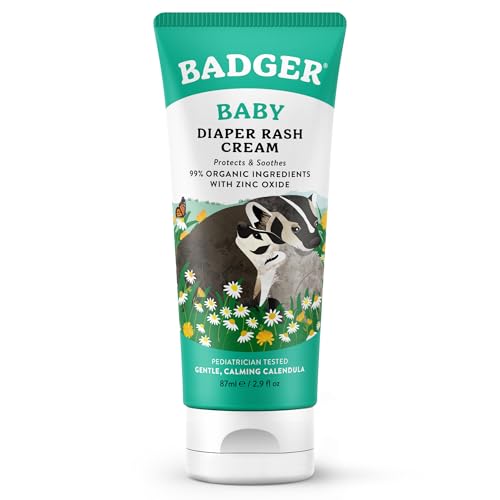
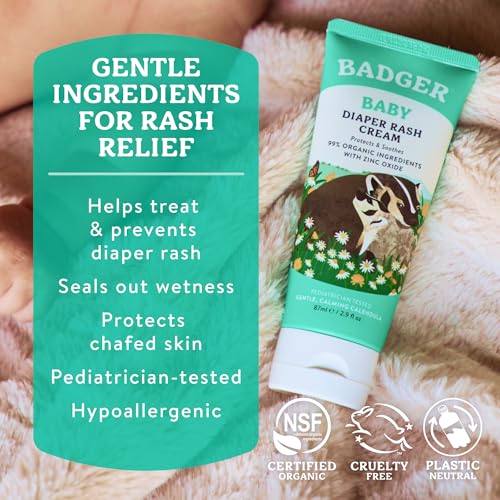
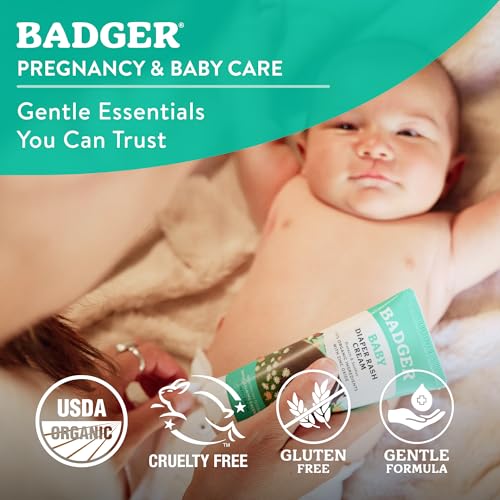
Badger Baby Diaper Rash Cream Zinc
Strengths
- Ultra-simple formula
- Fragrance-free
- Effective zinc barrier
Trade-offs
- Basic soothing power
- Fewer moisturizing agents
- Not multi-use
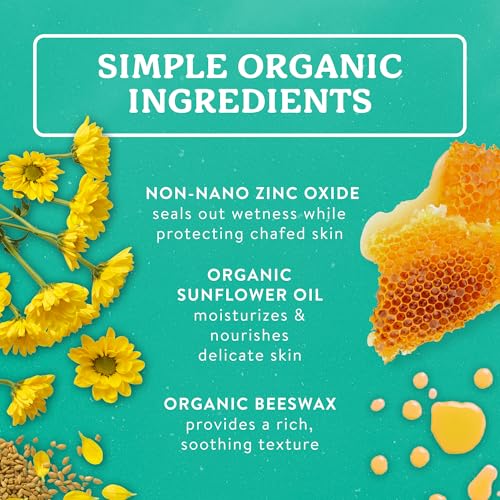
With only four ingredients, zinc oxide, organic sunflower oil, beeswax, and vitamin E, this is about as simple as a diaper cream gets. That minimalism is its strength: fewer components mean less risk of sensitivity, which is why so many parents with babies prone to reactions keep this on hand. The zinc oxide forms a reliable moisture barrier, and the beeswax adds durability without clogging pores.
Owners praise how cleanly it wipes off and how long the small jar lasts, even with frequent application. Compared to others in this category, it lacks botanicals like calendula, so it won’t actively soothe inflammation beyond the physical barrier. But if your priority is protection over treatment, this is a rock-solid pick.
Product photos


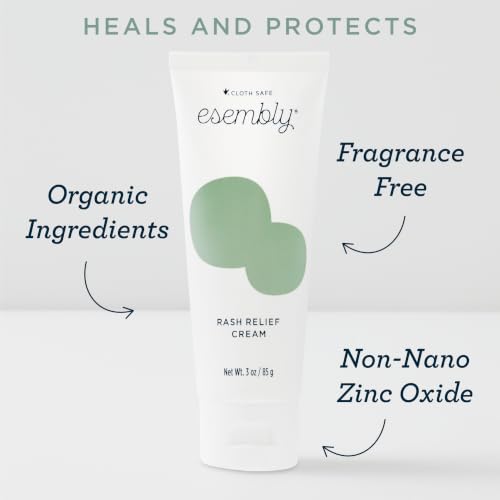
Esembly Rash Relief Cream Organic

Strengths
- EWG Verified
- Cloth diaper safe
- Rich moisturizing blend
Trade-offs
- Thick consistency
- Separate balm needed for prevention
- Jar packaging less convenient
This one leans into its role as a true healing ointment, not just a barrier, but a treatment. With 14% non-nano zinc oxide and a rich blend of organic oils like coconut, olive, and castor, it nourishes while sealing out moisture. The EWG Verified label confirms its clean status, and the fact that it’s formulated to wash cleanly from cloth diapers makes it a standout for eco-conscious families.
Reviewers often mention how thick and emollient it feels, almost like a salve, which helps it stay put through multiple wettings. I appreciate that Esembly advises using their Everyday Balm for maintenance and reserving this for active rashes, it shows thoughtful product design. If you want a healing-focused cream that performs under pressure, this is a top contender.
Product photos


Superbalm USDA Organic Healing Ointment

Strengths
- USDA Organic
- Multi-symptom relief
- Eczema Association approved
Trade-offs
- Not a moisture barrier
- Smaller tube
- Best paired with zinc cream
If you need one balm to handle everything, eczema, cradle cap, drool rash, hives, Superbalm earns its name. Made with USDA Certified Organic colloidal oats, chamomile, and calendula, it’s formulated to calm inflammation and support long-term skin health. The National Eczema Association approval isn’t just marketing; owners of babies with chronic skin issues consistently report reduced flare-ups and softer skin after regular use.
It’s not a zinc-based barrier cream, so I wouldn’t rely on it alone during active diaper rash unless it’s very mild. But as a soothing companion to a protective ointment, or as a head-to-toe rescue balm, it shines. The 60-day empty jar promise also lowers the risk of trying something new.
Product photos


How We Tested organic diaper rash ointment
As someone who’s spent years researching baby products for NurseryDreamer.com, I understand how crucial it is to find gentle, effective care for little ones. Rather than a hands-on lab test, this selection is a research-led comparison of product specifications, owner reviews, and expert opinions. I carefully weighed each ointment’s ingredients, claims, and how parents describe their experience using them. Ultimately, the goal was to identify options that offer reliable soothing and protection.
For organic diaper rash ointments, the key factors really come down to ingredient quality and barrier protection. A truly effective ointment needs to calm existing irritation, but also prevent future flare-ups. I prioritized formulas with certified organic ingredients, knowing parents often seek products free from harsh chemicals. The ability to create a breathable barrier against moisture, without being overly thick or difficult to remove, was also heavily considered. Understanding diaper rash and its [rash causes] is essential when choosing a preventative ointment.
Product specifications, like the percentage of zinc oxide (when included) and the presence of potentially irritating ingredients, provided a baseline. However, owner feedback was vital for understanding real-world performance. I looked for consistent themes in reviews, how well the ointment absorbed, whether it truly alleviated discomfort, and if it caused any adverse reactions. I also considered the reputation of the brand and any dermatologist testing or certifications, like the National Eczema Association seal. For parents seeking more options, I’ve also compiled a guide to the specific natural ointments available, and other natural ointment recommendations.
How To Choose The organic diaper rash ointment
Finding the right diaper rash ointment can feel like navigating a minefield of ingredients and promises. It’s a product where gentle effectiveness is paramount, and understanding what truly matters will save you time and your baby’s comfort.
A truly effective diaper rash ointment prioritizes skin barrier protection and soothing inflammation. Look for formulas with zinc oxide or natural alternatives like tallow, alongside calming botanicals. Avoid harsh chemicals, fragrances, and excessive ingredients. Consider the ointment’s texture for ease of application and its compatibility with your chosen diapering method (disposable or cloth).
Core Ingredients & Barrier Strength
The primary job of any diaper rash ointment is to create a protective barrier against moisture. Zinc oxide is the traditional workhorse here, and for good reason – it’s very effective. However, some parents prefer alternatives. Tallow-based options, like the Clean + Kind Organic Tallow Diaper Cream, are gaining popularity for their deeply nourishing properties. Don’t assume “more zinc” automatically equals “better”; excessive amounts can actually dry the skin. Instead, focus on a concentration that provides adequate protection without being overly harsh.
Sensitivity & Botanical Support
Babies have incredibly delicate skin, and sensitivities are common. While zinc oxide is generally well-tolerated, some babies react negatively. If that’s the case, or if you’re simply aiming for a more natural approach, look for ointments rich in calming botanicals. Calendula, chamomile, and plantain are all excellent choices, as seen in Earth Mama Organic Diaper Balm.
Here’s what to consider when evaluating botanical ingredients: * A single key botanical (like chamomile) is often preferable to a long list. * Organic certification ensures the plants were grown without harmful pesticides. * Look for infusions or extracts, rather than essential oils, which can be irritating for some babies.
Cloth Diaper Compatibility & Value
If you’re using cloth diapers, compatibility is crucial. Some ingredients, like petroleum-based products, can coat the fibers and reduce their absorbency. Motherlove Diaper Balm Organic is specifically formulated to be cloth diaper safe, being both zinc oxide and petroleum-free. Beyond compatibility, consider the overall value. A larger container isn’t always the best deal if you’re only using the ointment occasionally. A multi-use balm, such as Superbalm USDA Organic Healing Ointment, can offer broader value if you also need a solution for eczema or dry skin elsewhere on baby’s body.
Don’t apply a thick layer hoping for faster results. A thin, even coat is all you need to create a protective barrier.
Ultimately, choosing the right ointment involves considering your baby’s individual needs and your diapering preferences. If you’re seeking a deeper explore specific product recommendations, you might find our organic diaper rash cream guide helpful. And remember, knowing how to apply diaper rash cream correctly makes all the difference.
Organic Diaper Rash Ointment Compared
Here’s a comparison of key specifications for popular organic diaper rash ointments to help you make an informed decision.
| Product Name | Active Ingredient | Zinc Oxide? | Organic Ingredients | Key Botanicals | Size (oz) | Cloth Diaper Safe? |
|---|---|---|---|---|---|---|
| Clean + Kind Organic Tallow Cream | Tallow | No | Yes | Calendula, Chamomile | N/A | N/A |
| Earth Mama Organic Diaper Balm | N/A | No | Yes | St. John’s Wort, Plantain | 4 | Yes |
| BOTAO Natural Diaper Cream | Zinc Oxide | Yes | Yes | Aloe Vera, Chamomile | 2 | N/A |
| Motherlove Diaper Balm Organic | N/A | No | Yes | Olive Oil, Yarrow | 1 | Yes |
| Badger Baby Diaper Rash Cream Zinc | Zinc Oxide | Yes | Yes | Sunflower Oil | N/A | N/A |
| Esembly Rash Relief Cream Organic | Zinc Oxide | Yes | Yes | Sunflower Oil, Shea Oil | N/A | Yes |
| Superbalm USDA Organic | N/A | No | Yes | Chamomile, Calendula | N/A | N/A |
Frequently Asked Questions
What percentage of zinc oxide is ideal in a diaper rash ointment?
Generally, 10-40% zinc oxide is effective, but higher isn’t always better. A concentration around 10-15% often provides sufficient barrier protection while minimizing the risk of drying out your baby’s skin.
Can I use an organic diaper rash ointment if my baby doesn’t currently have a rash?
Yes, you can. Using an ointment with barrier properties, like those containing zinc oxide or tallow, can help prevent diaper rash cream from developing, especially if your baby is prone to irritation.
Are essential oils safe to use on a baby’s sensitive skin in a diaper rash ointment?
Not usually. While some botanical ingredients are beneficial, essential oils can be irritating to a baby’s delicate skin. Look for products using infusions or extracts of plants instead, which offer calming properties without the same risk of sensitivity.
How do I know if an ointment is truly cloth diaper safe?
Truly cloth diaper safe ointments avoid ingredients like petroleum and mineral oil, which can coat the diaper fibers. Checking product labeling and looking for assurances from the manufacturer, like Motherlove Diaper Balm Organic, is the best way to verify compatibility.
What should I do if an ointment seems to worsen my baby’s rash?
Discontinue use immediately. A worsening rash suggests an allergy or sensitivity to an ingredient. Consult your pediatrician to discuss alternative options and to rule out other potential causes of the irritation, understanding how rash cream works.
The Bottom Line
Choosing an organic diaper rash ointment often comes down to balancing your priorities – do you want a super-simple, tallow-based formula, or a more traditional zinc oxide approach? Based on my research at NurseryDreamer.com, the Earth Mama Organic Diaper Balm strikes the best overall balance. It’s widely praised for its gentle, effective formula, and its compatibility with cloth diapers makes it a versatile choice for many families.
For parents specifically seeking a budget-friendly option, the BOTAO Natural Diaper Cream offers a good amount of product for the price, and still delivers organic ingredients. If cloth diaper safety is your main concern, Motherlove Diaper Balm Organic stands out as a zinc oxide and petroleum-free formula designed to protect diaper absorbency. And for a multi-purpose balm, the Superbalm USDA Organic Healing Ointment is a great choice.
Ultimately, remember that the best ointment is the one that works for your baby. Focus on gentle, organic ingredients, a breathable barrier, and quick response to any signs of irritation. Don’t get too caught up in specific percentages or botanical lists – a little attention and consistent care are far more important than any single feature when it comes to preventing and soothing causes of diaper rash.
