
4 Best All Natural Diapers of 2026
This post contains affiliate links. As an Amazon Associate, we learn from qualifying purchases
The best all natural diapers balance safety, absorbency, and comfort, and after comparing the field and reviewing parent feedback, Pampers Pure stands out as the top overall pick for its reliable leak protection and skin-friendly materials. For a more budget-conscious option that still delivers on eco-credentials, Honest Company is a solid choice, while Pura Hypoallergenic offers exceptional softness and sensitivity-focused design.
Choosing diapers isn’t just about what’s gentle on your baby’s skin, it’s also about finding something you can trust every day. With so many brands claiming to be “natural” or “clean,” it’s hard to know which ones truly deliver on safety, performance, and value.
This guide cuts through the noise by focusing on what matters: real parent experiences, material transparency, and key features like wetness indicators and chlorine-free production. I compared top contenders based on specs, third-party certifications, and consistent owner feedback to help you make a confident decision.
Top 4 All Natural Diapers in the Market
The Best All Natural Diapers, Reviewed
Pampers Pure Baby Diapers

Strengths
- Hypoallergenic
- 2x drier core
- Wider wetness indicator
Trade-offs
- Limited eco-certifications
- Less plant-based materials
- Not carbon-neutral production
I’ll be honest, when I first saw Pampers Pure labeled as ‘all natural,’ I was skeptical. Pampers isn’t traditionally associated with eco-conscious diapering, but this line is different. On paper, it delivers what most parents want: a fragrance-free, hypoallergenic diaper with a LockAway Core that owners consistently report keeps babies drier than many competing natural brands. The vitamin-enriched liner is a nice touch, and the wider wetness indicator is actually useful, parents say it’s easier to spot than on other brands.
Still, it’s not the most eco-friendly option out there. While it’s free of parabens, latex, and elemental chlorine, it doesn’t carry third-party certifications like OEKO-TEX or EWG VERIFIED. Compared to Pura or HealthyBaby, it’s more mainstream in its sustainability claims. But if your priority is proven leak protection with fewer irritants, and you trust a big brand to deliver that, this one makes sense. I’d pick it over Honest for performance, even if it’s not the greenest.
Video review
Honest Company Daytime Diapers

Strengths
- OEKO-TEX certified
- Cute, modern prints
- Flexible fit wings
Trade-offs
- Occasional leaks
- Slower wetness indicator
- Less rigorous chemical screening
Let’s talk about Honest diapers, they’re cute, they’re widely available, and they’ve got that clean, modern branding that makes them feel like the ‘it’ choice for natural parenting. And for good reason: they’re OEKO-TEX certified, made without a long list of nasties, and use FSC-certified pulp. Parents like the softness and the fun prints, and the Comfort Dry Technology does a decent job on absorbency for daytime use.
But here’s the thing: some owners report more leaks compared to Pampers Pure or Pura, especially overnight. The leg cuffs don’t always seal as tightly, and the wetness indicator can be slow to change. It’s a solid value pack, and the 72-count makes it convenient, but it’s not the best performer. I’d recommend it for light daytime use or as a backup, but not as a primary diaper for heavy wetters. Compared to HealthyBaby or Pura, it’s less rigorous on chemical safety, though still a step above conventional brands.
Video review
Pura Hypoallergenic Diapers

Strengths
- Organic cotton comfort
- Umbilical cut-out
- Carbon-neutral production
- B-Corp certified
Trade-offs
- Narrower size range
- Slightly higher cost
- Limited print designs
Pura hits a sweet spot between performance and purity, and that’s why so many parents I’ve seen in forums keep coming back to them. These diapers are dermatologically tested, allergy-certified, and made with organic cotton, plus, they have a thoughtful umbilical cord cut-out for newborns, which is a small but meaningful detail. The wetness indicator works well, and the fit is consistently praised for staying snug without red marks, even on wriggly babies.
What really sets Pura apart is their commitment to sustainability. They’re made in a carbon-neutral EU facility, use FSC-certified pulp, and are B-Corp certified, credentials that matter if you’re serious about eco-impact. Compared to Honest, they feel more breathable, and unlike Pampers Pure, they carry stronger eco-labels. The price reflects that, but for parents who want both safety and sustainability, this is the smarter buy.
Product photos


HealthyBaby Non-Toxic Diapers
Strengths
- EWG VERIFIED
- No wetness indicator chemicals
- Blowout Shield design
- Carbon-neutral production
Trade-offs
- Smaller pack size
- Harder to find in stores
- Slightly bulkier fit
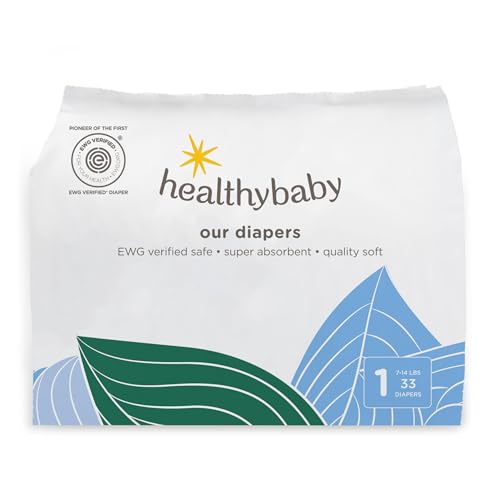
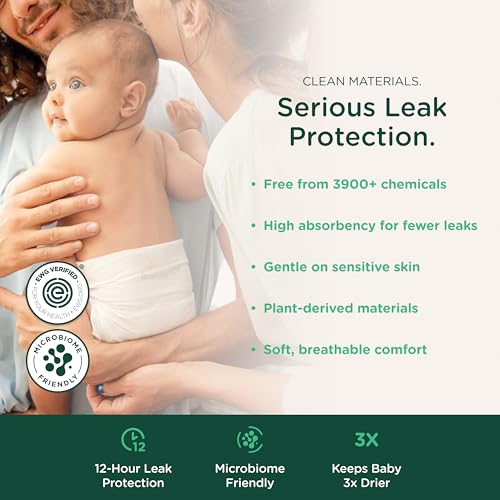
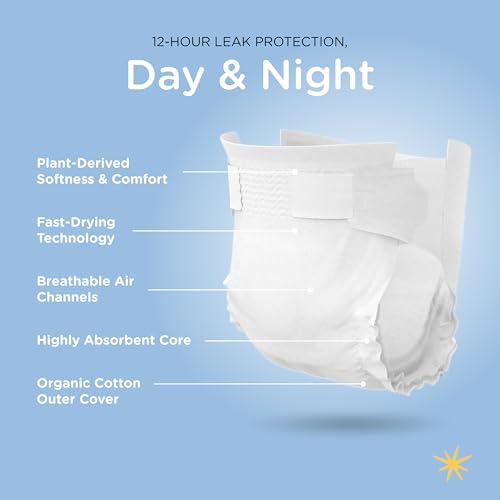
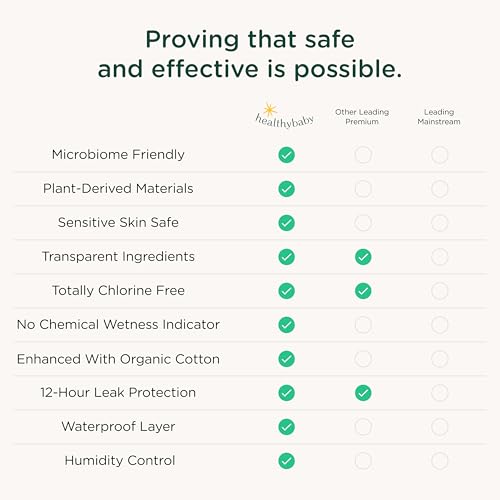
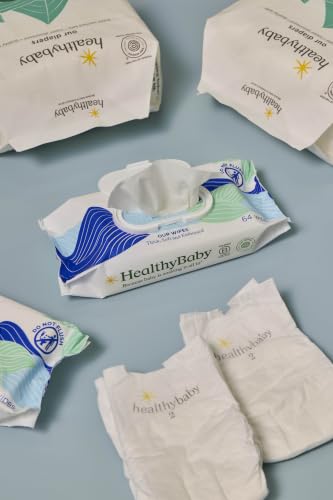
If you’re the kind of parent who reads every ingredient label and checks EWG’s database before buying anything, HealthyBaby diapers will feel like a breath of fresh air. These are EWG VERIFIED, which is rare in the diaper world, and they’re made without 3,900+ chemicals of concern. That’s not marketing fluff, it’s a strict standard. Parents with babies prone to rashes or sensitivities consistently say these cause fewer reactions, likely because there’s no wetness indicator, fragrance, or unnecessary prints touching the skin.
The Blowout Shield and SuperStretch Tabs are smart design touches that real parents appreciate. But the trade-off is availability and cost, this isn’t a diaper you’ll find at the grocery store, and the pack size is smaller than others. Compared to Pura or Honest, it’s more niche, but for those prioritizing chemical safety above all, it’s hard to beat. I’d recommend it over Pampers Pure for newborns with sensitive skin, even if it’s less convenient.
Product photos
How We Picked These all natural diapers
As a parent and the creator of NurseryDreamer.com, I understand how crucial it is to find safe and effective diapers. Rather than a hands-on lab test, my approach to recommending all natural diapers involved a detailed comparison of published specifications and features across several brands. I then weighed owner reviews – looking for consistent themes in satisfaction and complaints – alongside assessments from reputable parenting publications. This research-led process allows me to present options based on real-world experiences and measurable qualities.
For all natural diapers, absorbency and skin sensitivity are paramount. I placed a heavy emphasis on diapers boasting features that minimize leaks (like core technology and leg cuffs) and those specifically formulated for sensitive skin (plant-based materials, hypoallergenic claims). A diaper’s environmental impact also factored significantly, considering certifications and manufacturing practices. These elements directly impact a baby’s comfort and a parent’s peace of mind.
Specifications provide a clear picture of a diaper’s construction – materials used, absorbency claims, and certifications like OEKO-TEX. However, owner feedback is invaluable for understanding real-world performance. I looked for consistent reports on fit, leak protection during both day and night, and any instances of skin irritation. Ultimately, a diaper’s reputation and the trustworthiness of the brand heavily influenced its ranking, and you can find more information on natural baby diapers.
How To Choose The all natural diapers
Choosing the right diaper feels monumental, and honestly, it is. Your baby’s comfort and health depend on it, and the sheer number of options can be overwhelming.
A truly good diaper balances absorbency with skin sensitivity, ensuring a dry, comfortable experience for baby while minimizing the risk of irritation. Look for certifications indicating rigorous testing for harmful chemicals, and consider the materials used – plant-based options are increasingly popular. Assess the diaper’s fit and features like wetness indicators and leg cuffs for reliable leak protection.
Absorbency and Leak Protection
Don’t underestimate the importance of a diaper that actually holds what it’s supposed to. While all diapers claim leak protection, the reality varies. Pampers Pure, for example, highlights a LockAway Core designed to outperform some competitors like Honest Company in dryness. However, absorbency isn’t just about volume; it’s about how the diaper distributes liquid. Look for features like channel technology (as found in Honest diapers) that prevent sagging and maintain a secure fit, even when heavily saturated. A wider wetness indicator is also a huge plus – it takes the guesswork out of diaper changes.
Prioritizing Skin Sensitivity
For many babies, especially newborns, sensitive skin is a given. This is where features beyond basic absorbency become crucial. Pura diapers really stand out here with their focus on organic cotton and the exclusion of common irritants like fragrance and latex. HealthyBaby’s commitment to being EWG Verified is also reassuring; they avoid over 3,900 potentially harmful chemicals. If your little one is prone to diaper rash, exploring diapers with natural materials is a smart move.
- Consider the liner material: Plant-based liners (like those in Honest and Pura) are generally gentler than fully synthetic options.
- Look for “hypoallergenic” claims, but remember this isn’t a regulated term. Research which ingredients are avoided.
- Umbilical cord cutouts (often found in newborn sizes, like Pura) are invaluable during those first few weeks, preventing friction and irritation.
A diaper’s softness isn’t just about comfort; it directly impacts skin health. Rough materials can exacerbate irritation, especially in babies with sensitive skin.
Balancing Value and Sustainability
It’s easy to get caught up in premium features, but cost is definitely a factor. Honest Company consistently appears as a strong contender for best natural diapers when it comes to value packs, offering a balance of eco-conscious materials and affordability. However, don’t automatically equate “expensive” with “better.” Brands like Pura demonstrate that a commitment to sustainability (carbon-neutral manufacturing, FSC-certified materials) doesn’t necessarily mean a prohibitive price tag. Ultimately, finding the sweet spot between price, performance, and your values is key. You might even find some of the top natural diaper brands offer subscription services to help lower the overall cost.
All Natural Diapers Compared
Here’s a comparison of key specifications for several all-natural diaper brands.
| Product Name | Leak Protection | Materials (Inner Liner) | Chlorine Free | Fragrance Free | Wetness Indicator |
|---|---|---|---|---|---|
| Pampers Pure Baby | 2x vs. Honest | Vitamin-enriched | Yes | Yes | Yes (Wider) |
| Honest Company Daytime | Up to 100% | Plant-based | Yes | Yes | Yes |
| Pura Hypoallergenic | N/A | Organic Cotton | Yes | Yes | Yes (Color Change) |
| HealthyBaby Non-Toxic | Blowout Shield | Organic Cotton/Plant | Yes (TCF) | Yes | No |
Frequently Asked Questions
What diaper size should I buy for a newborn?
Newborn size diapers are generally best for babies up to 10 pounds, but don’t stock up too heavily. Babies grow quickly, and many move to size 1 (10-14 pounds) within a few weeks, so starting with a smaller pack is wise.
Are “hypoallergenic” diapers truly allergy-proof?
Unfortunately, “hypoallergenic” isn’t a strictly regulated term. It means the manufacturer has removed common irritants, but it doesn’t guarantee your baby won’t react; look closely at the ingredient list to see which potential allergens are avoided.
How do plant-based diaper materials compare to traditional options?
Plant-based liners, found in brands like Honest Company and Pura, are typically softer and more breathable than fully synthetic materials, potentially reducing skin irritation. However, they may not be quite as absorbent as some traditional options, so consider your baby’s output.
Beyond diapers, what other products should I consider for a natural baby routine?
Completing a natural routine goes beyond diapers. Don’t forget to explore natural baby wipes to avoid harsh chemicals on your baby’s delicate skin and consider using a natural diaper rash cream.
What should I do with used diapers if I’m trying to be environmentally conscious?
Composting diapers is possible, but requires a specialized service or a dedicated home composting system. If composting isn’t feasible, look for brands committed to sustainable practices, such as Pura with its carbon-neutral manufacturing, or explore eco-friendly diapers that use more sustainable materials and packaging.
The Bottom Line
Choosing all natural diapers often comes down to balancing what you’re willing to spend with the level of control you want over ingredients and environmental impact. For overall performance and a widely available option, Pampers Pure Baby consistently receives high marks for absorbency and leak protection, making it a solid choice for many families.
If you’re specifically seeking a budget-friendly option, Honest Company offers competitive pricing and a commitment to plant-based materials. For parents prioritizing ultimate skin sensitivity and a smaller environmental footprint, Pura diapers stand out with their organic cotton and carbon-neutral manufacturing. And for those considering long-term sustainability, exploring eco-friendly reusable options is a worthwhile path.
Ultimately, the “best” diaper isn’t about a single feature or brand. It’s about finding the right fit for your baby and your values. Prioritize a diaper that effectively manages moisture, protects delicate skin, and aligns with your commitment to a healthier planet – because those fundamentals are what truly matter.
