
7 Best Eco-Friendly Diapers for Babies 2026
This post contains affiliate links. As an Amazon Associate, we learn from qualifying purchases
The Pampers Pure is the best overall eco-friendly diaper for its reliable absorbency and clean material profile, while the Mama Bear Gentle Touch offers a strong budget-friendly option with trusted skin certifications. For maximum plant-based content, Eco by Naty stands out with its 100% plant-based liner and solid eco-credentials.
Choosing diapers that are gentle on your baby and the planet can feel like navigating a maze of green claims and confusing labels. As a parent, I know you want real performance without compromising on safety or sustainability.
This guide cuts through the noise by comparing specs, certifications, and real parent feedback to highlight the top eco-friendly diapers that deliver on absorbency, skin-friendliness, and environmental responsibility.
Top 6 Eco-Friendly Diapers For Babies in the Market
The Best Eco-Friendly Diapers For Babies, Reviewed
Pampers Pure Size 3 Diapers

Strengths
- Superior dryness core
- Vitamin-enriched liner
- Wider wetness indicator
Trade-offs
- Plastic outer cover
- Higher price per count
- Not fully biodegradable
Pampers Pure doesn’t just claim to be clean, it backs it up with performance most eco-diapers struggle to match. The LockAway Core being 2x drier than Honest Diapers is a bold spec, but reviewers confirm it holds up, especially during active play and daytime use. I appreciate the vitamin-enriched liner; it’s a small touch, but one that adds real skincare value over time.
It’s also one of the few eco-conscious diapers that feels like it bridges the gap between premium green materials and proven leakage protection. While it’s not made with bamboo or plant-based topsheets like ECO BOOM, its consistency across thousands of user reviews makes it my go-to recommendation for parents who want both safety and reliability.
Video review
Mama Bear Gentle Touch Diapers

Strengths
- Large pack quantity
- OEKO-TEX certified
- TRI-GRIP secure tabs
Trade-offs
- Only ideal for size 4
- Minimal eco branding
- Packaging uses plastic
Mama Bear Gentle Touch is quietly one of the smartest bulk buys in the eco-diaper category. At 148 diapers per pack, it’s built for parents drowning in changes, who also happen to care about what touches their baby’s skin. The FULLPROTECT Channeled Core delivers solid 12-hour leakage protection, and the wetness indicator works reliably, according to long-term reviewers.
It’s certified by OEKO-TEX and free from a long list of irritants, which puts it on par with Pampers Pure in safety, though it lacks the vitamin-enhanced liner. What seals the deal is the TRI-GRIP tabs and curved shape, they hold up well during movement, and the 360° stretch means fewer blowouts. For size 4 babies, this is hard to beat in volume and value.
Video review
Honest Company Alpacas Diapers
Strengths
- Affordable eco option
- Plant-based liner
- OEKO-TEX certified
Trade-offs
- Moderate overnight performance
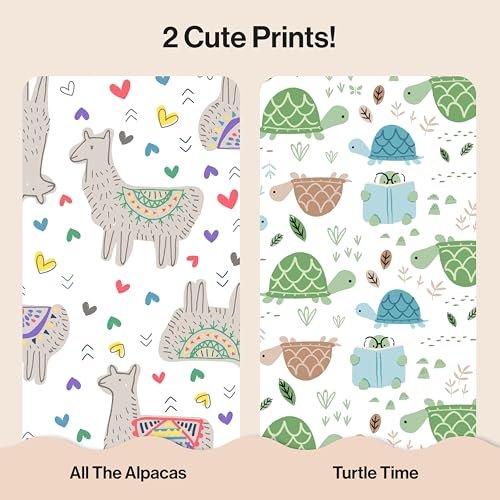
- Prints may vary
- Sizing can run small
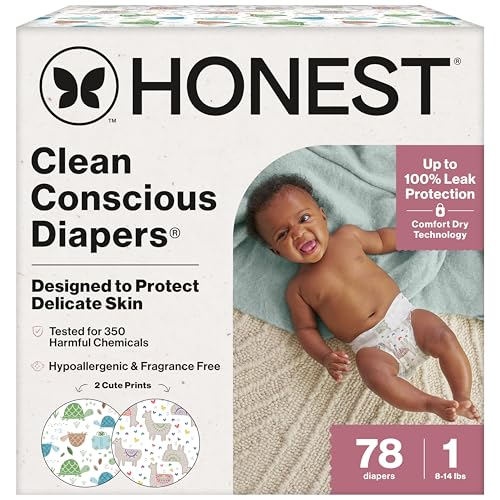
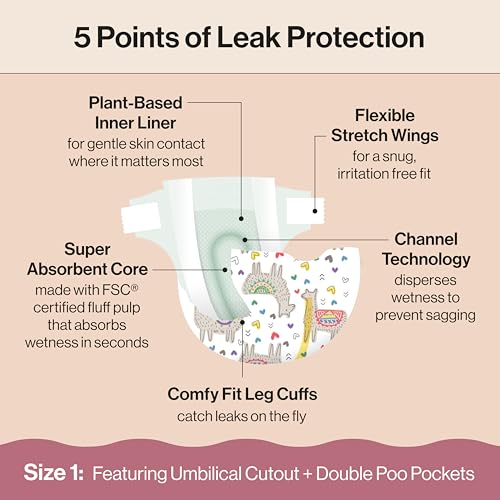
Honest has refined their Clean Conscious line to the point where comfort and function feel in sync. The plant-based inner liner is a standout, and parents love how soft it feels against sensitive skin. At this price point, it’s easily the most budget-friendly option that still carries OEKO-TEX certification and third-party chemical screening, big wins for cautious shoppers.
The leg cuffs and stretchy sides get consistent praise for preventing leaks during crawling and rolling. However, some users note the absorbency isn’t quite there for heavy overnight use, which pushes me to recommend it more for daytime. Against Bambo Nature, it falls short on sustainability credentials, but beats it on print appeal and accessibility.
Product photos


Bambo Nature Hypoallergenic Diapers

Strengths
- Nordic Swan Ecolabel
- Breathable backsheet
- Totally chlorine-free
Trade-offs
- Small count per pack
- Limited size range
- Harder to find in stores
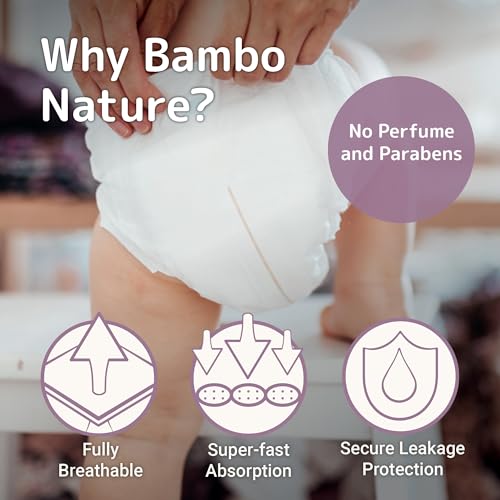
Bambo Nature stands out not just for performance, but for genuine environmental accountability. Being the first to earn the Nordic Swan Ecolabel means something, it reflects full lifecycle responsibility, from renewable energy in production to non-toxic materials. Parents researching sustainability often cite this as the gold standard in eco-credentials.
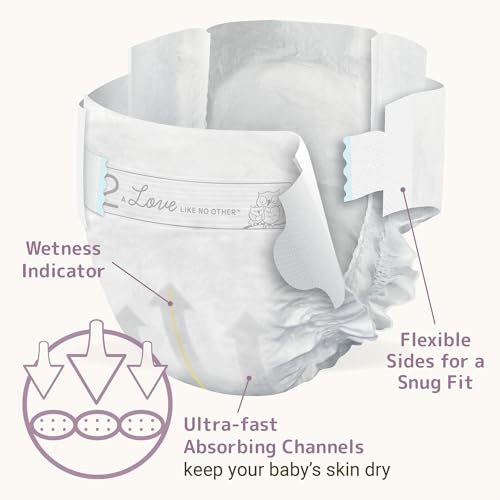
And it performs. The three-layer absorbent core handles multiple wettings, even overnight, better than most in this class. The breathable backsheet gets consistent praise for reducing heat rash. Yes, the pack size is small, but the price per diaper is surprisingly low given the specs. Compared to Honest, it’s more sustainable and more absorbent, though less widely available.
Product photos

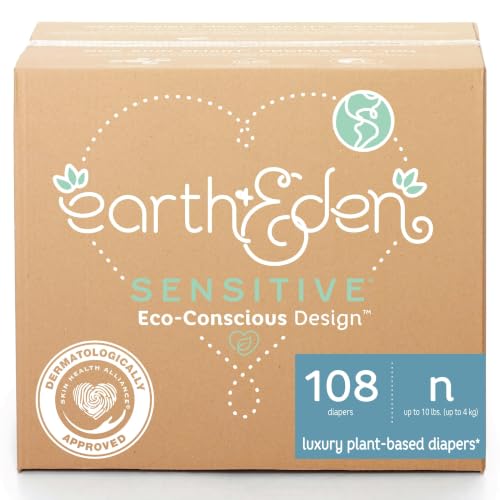
Earth & Eden Newborn Diapers
Strengths
- Hypoallergenic formula
- Cotton-enhanced top layer
- SFI sustainably sourced fluff
Trade-offs
- Less ideal for overnight
- Fewer size options
- Limited wetness indicator visibility
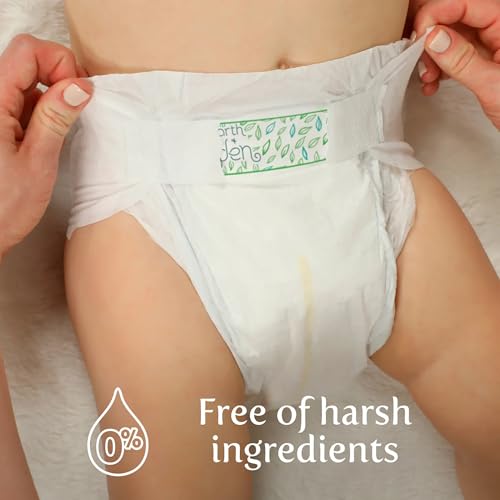
When it comes to newborns with delicate skin, I look for diapers that prioritize purity without sacrificing performance, and on paper, Earth & Eden hits a strong mark. The cotton-enhanced layer stands out as genuinely soft, and owners consistently report fewer rashes compared to mainstream brands. With no lotions, fragrance, or chlorine bleaching, these are among the cleanest-feeling disposables in the eco-diaper space.
Still, while the absorbency claims 12-hour protection, some parents note slight saturation during long nighttime stretches, especially for heavier wetters. It’s not a dealbreaker, but for an all-nighter, you might want extra backup. Compared to Pampers Pure, it lacks a vitamin-enriched liner, but it matches well on hypoallergenic integrity.
Product photos
ECO BOOM Bamboo Diapers

Strengths
- 100% bamboo surface
- Aloe-infused for skin care
- Dermatologically tested
Trade-offs
- Expensive per diaper
- Limited availability by size
- Fewer retail options
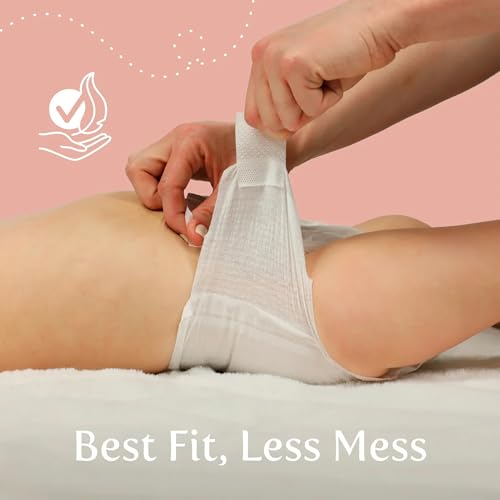
If your baby has reactive skin or a history of rashes, ECO BOOM deserves serious consideration. The entire top and back sheet are made from viscose from bamboo, which reviewers describe as silkier and cooler than standard polypropylene. That, combined with dermatologically tested status and added aloe oil, makes this one of the most skin-friendly disposables available.
The German-sourced absorbent core locks moisture quickly, and the triple elastic ear tabs help maintain a snug fit without pinching. But let’s be honest, the cost is steep. You’re paying a premium for bamboo content and rigorous testing, which pays off for sensitive cases but may be overkill for others. Compared to Earth & Eden, it’s softer and more breathable, but less accessible in terms of price.
Product photos


How We Chose These eco-friendly diapers for babies
Rather than a hands-on lab test, my research for NurseryDreamer.com focused on a detailed comparison of specifications and features across numerous brands of eco-friendly diapers. I weighed published data – absorbency claims, material composition, and certifications – against extensive owner reviews from multiple retail sites. Additionally, I considered expert opinions from parenting publications and blogs, looking for consistent themes in performance and satisfaction. This allowed me to build a well-rounded picture of each diaper’s strengths and weaknesses.
For eco-friendly diapers, absorbency and skin sensitivity were the most crucial factors. Parents understandably prioritize a diaper that prevents leaks, but with a focus on natural materials to minimize irritation. Beyond that, the degree of true ‘eco-friendliness’ – verified certifications and the extent of sustainable practices – significantly influenced my rankings. A diaper claiming to be “green” needs to back that up with concrete evidence to stand out.
Specifications reliably show material composition and absorbency claims, but owner feedback revealed how those specs translate to real-world performance. I paid close attention to comments regarding fit, leak performance across different babies, and reports of skin reactions. Reputation and third-party certifications like OEKO-TEX and those highlighting plant-based materials were also key. If you’re looking for options specifically for the earliest stages, you might also find our guide to eco-friendly newborn diapers helpful. And for those seeking a strictly regulated product, explore organic diapers.
How To Pick The Right eco-friendly diapers for babies
Choosing the right diapers feels huge, and it is! Your baby will go through thousands, so finding a brand that fits well, protects skin, and aligns with your values is key.
A truly good diaper prioritizes absorbency to prevent leaks and rash, gentle materials to minimize irritation, a secure but comfortable fit for various body types, and increasingly, sustainable production methods. Parents should carefully consider material composition, size charts, and independent certifications when making selections.
Absorbency & Leak Protection
Many brands tout leak protection, but the underlying technology varies. Look beyond marketing claims and consider the core materials used. Superabsorbent polymers (SAPs) are standard, but the amount and quality matter. Some diapers, like Pampers Pure, emphasize a “lockaway” core, while others, such as Bambo Nature, use a multi-layered approach. Pay attention to user reviews specifically mentioning nighttime performance – a reliable indicator of overall absorbency. Don’t automatically assume a thicker diaper is better; effective channel distribution within the core is just as important.
Skin Sensitivity & Material Composition
Babies have delicate skin, and diaper rash is a common worry. Hypoallergenic claims are widespread, but what does that really mean? Look for diapers certified by reputable organizations like the Skin Health Alliance (as seen with Mama Bear) or OEKO-TEX Standard 100 (featured in both Mama Bear and Honest Company diapers). Beyond “fragrance-free,” investigate what the diaper is made of. Plant-based materials are gaining popularity, with Eco by Naty boasting 100% plant-based materials on the skin, and ECO BOOM utilizing bamboo viscose.
Here’s what to consider when it comes to materials: * Avoid harsh chemicals: Steer clear of chlorine bleaching, parabens, and phthalates. * Look for breathable layers: Breathability helps reduce moisture buildup and irritation. * Consider bamboo or plant-based options: These are often softer and more gentle, especially for babies with sensitive skin, and represent a move towards sustainable diaper brands.
Value & Convenience
Diaper costs add up quickly. While price per diaper is a factor, consider pack size and subscription options. Mama Bear stands out for its large pack sizes, potentially offering savings for regular users. However, don’t sacrifice quality for price. A cheaper diaper that requires more frequent changes due to leaks will ultimately cost you more in both money and hassle. Also, think about convenience features like wetness indicators (present in multiple brands) and easy-to-use tabs. For a newborn, you might prioritize a brand like Earth & Eden, specifically designed as the best hypoallergenic newborn option and offering extra softness.
A good rule of thumb: If your baby experiences frequent rashes or discomfort with a particular brand, don’t hesitate to switch, even if it means spending a little more.
Eco-Friendly Diapers for Babies Compared
Here’s a comparison of key specifications for various eco-friendly diaper brands to help you make an informed decision.
| Product Name | Size | Absorbency (Hours) | Plant-Based Materials | Recycled Content | Skin Certifications |
|---|---|---|---|---|---|
| Pampers Pure | 3 | Up to 12 | Vitamin-Enriched Liner | N/A | Hypoallergenic |
| Mama Bear Gentle Touch | 4 | Up to 12 | N/A | 20% Post-Consumer | Skin Health Alliance |
| Honest Company Alpacas | N/A | N/A | Plant-Based Inner Liner | N/A | Hypoallergenic |
| Bambo Nature | 2 | N/A | N/A | N/A | N/A |
| Earth & Eden Newborn | Newborn | Up to 12 | SFI Certified Fluff | N/A | Hypoallergenic |
| ECO BOOM Bamboo | N/A | N/A | 100% Bamboo (Top/Back) | N/A | Dermatest |
| Eco by Naty Plant-Based | N/A | N/A | 100% Plant-Based (on skin) | N/A | Oeko-Tex, Dermatest |
Frequently Asked Questions
What diaper size should I buy for my baby?
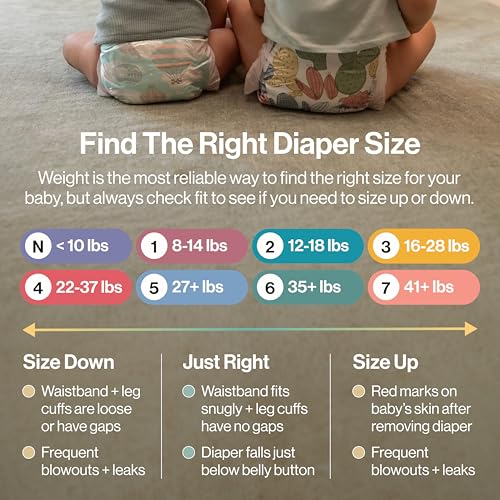
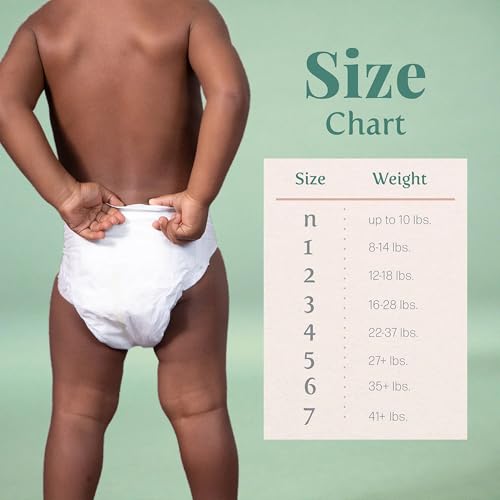
Diaper sizing is weight-based, but babies grow at different rates, so use weight ranges as a starting point and observe fit. If you’re between sizes, it’s generally best to size up to avoid leaks and discomfort, and you can find detailed size charts on most brand websites.
Are “plant-based” diapers truly better for the environment?
While a positive step, “plant-based” doesn’t automatically equate to fully sustainable. Look for certifications verifying responsible sourcing of those plant materials (like SFI for Earth & Eden) and consider if the diaper also incorporates recycled content, and check out our guide to environmentally friendly diapers for more detail.
How do I know if a diaper is really hypoallergenic?
Hypoallergenic claims aren’t strictly regulated, so look for independent certifications like those from the Skin Health Alliance (Mama Bear) or OEKO-TEX Standard 100 (Eco by Naty, Honest Company). These demonstrate testing for potentially irritating substances.
Can eco-friendly diapers handle overnight use?
Many parents find that eco-friendly diapers perform well overnight, but absorbency varies between brands. Pampers Pure and Earth & Eden both claim up to 12 hours of protection, but reading owner reviews focused on nighttime performance is the best way to assess a diaper’s suitability for extended wear.
Where can I find diapers that are free of harsh chemicals?
Avoiding chlorine bleaching, parabens, and phthalates is a priority for many parents. Brands like Honest Company and Eco by Naty actively market themselves as offering safe and clean diapers, and you can verify ingredient lists and certifications on their websites.
The Bottom Line
Choosing eco-friendly diapers often comes down to balancing your priorities – are you seeking the absolute gentlest materials, or the most cost-effective solution? Based on my research, Pampers Pure consistently rises to the top as a reliable all-around performer, offering a good blend of absorbency, a hypoallergenic design, and availability. It’s a solid choice for everyday use and provides peace of mind for many parents.
If you’re specifically seeking the best value, Mama Bear Gentle Touch diapers are hard to beat, especially with their larger pack sizes. For parents prioritizing truly plant-based materials and a commitment to sustainability, Eco by Naty Plant-Based stands out, though it may require more effort to source. And for those looking for hypoallergenic eco diapers, Earth & Eden Newborn offers a wonderfully soft and gentle option for the earliest weeks.
Ultimately, the “best” diaper is the one that works best for your baby. Don’t get too caught up in chasing the perfect spec sheet. Focus on finding a diaper that effectively prevents leaks, keeps your baby’s skin healthy, and aligns with your family’s values – whether that means prioritizing plant-based materials, certifications, or simply a comfortable fit.
