
How to Clean & Wash a Diaper Bag Without Causing Any Damage
This post contains affiliate links. As an Amazon Associate, we learn from qualifying purchases
Wash a diaper bag by first checking the manufacturer’s care tag. If machine-washable, use a cold, gentle cycle inside a mesh bag. For most bags, hand-washing with mild detergent is safer. Never machine wash leather bags or bags with water-resistant coatings, as this strips finishes and voids warranties.
That tag is the only source of truth. Ignoring it turns a simple clean into a repair bill, or a trip to the dumpster. The difference between a refreshed bag and a ruined one isn’t about effort; it’s about matching your method to the materials stamped on that little label.
What follows is a map built from official brand manuals: when to machine wash a JuJuBe, how to spot-clean a HAPP bag without wrecking its quilted cotton, and the one drying trick that prevents memory foam pads from mildewing. We’ll walk through the hand-wash soak, the machine-wash prep, and what to do when the tag is long gone.
Key Takeaways
- The care tag is law. Washing against its instructions, especially for leather or coated bags, can void the manufacturer’s warranty immediately.
- Hand-washing is the default safe method. A sink with cold water and mild detergent cleans thoroughly without the agitation that breaks down fabrics and coatings.
- Machine washing demands prep: empty all pockets, place the bag in a mesh laundry bag, and use only the cold water gentle cycle.
- Air-dry everything. Heat from dryers warps plastic hardware, shrinks fabric, and ruins the loft of padded changing pads.
- Clean the bag’s contents weekly with a damp cloth, and do a full deep-clean every six months to stop odor and germ buildup.
The Golden Rule: Read the Manufacturer’s Tag First
Before you start: Ignoring the care tag can permanently damage your bag’s material and void its warranty. Skip Hop’s warranty, effective September 2021, explicitly excludes defects from improper care. Always verify the method before any water touches the bag.
Open the main compartment and look for a sewn-in label. This isn’t a suggestion. For brands like Skip Hop, their limited warranty coverage hinges on you following the instructions printed there. The tag tells you the fabric’s limits, whether it can handle a machine’s spin cycle or if water will dissolve its protective coating.
If the tag is missing, default to the most conservative method: hand-washing. It’s slower but never wrong. Assuming a bag is machine-washable is how HAPP bags lose their water-resistant finish and how leather trim cracks. The tag’s symbols translate to a simple choice: a gentle machine cycle, a hand wash, or a damp cloth only.
Why This Warranty Clause Matters
Manufacturer warranties like Skip Hop’s are contracts. They cover defects in materials, not damage from owner error. Immersing a spot-clean-only bag in water isn’t a defect; it’s misuse. The 2021 policy update formalized this, making your cleaning method a direct line to coverage or denial. A warranty voidance over a $5 cleaning mistake is a preventable loss.
How to Hand Wash a Diaper Bag (The Safe Default)
This method works for nearly every bag type except genuine leather. It’s the fallback when the tag is unclear and the only method for bags with water-resistant coatings, like those from HAPP, or delicate fabrics.
You’ll need:
- A clean sink or large basin
- Mild liquid detergent (like Woolite or a gentle dish soap)
- A soft-bristled brush or clean washcloth
- Two clean, dry towels
| Step | Action | What Happens If You Skip It |
|---|---|---|
| 1. Empty & Prep | Remove every item. Shake out crumbs and debris. Take off any removable straps, organizer panels, or pouches. | Debris turns into muddy grit in the wash water, grinding into the fabric and causing premature wear. |
| 2. Mix Solution | Fill the sink with cool water. Add a teaspoon of mild detergent. | Hot water can set stains and cause colors to bleed. Too much soap leaves a residue that attracts more dirt. |
| 3. Submerge & Agitate | Place the bag in the water. Gently scrub the interior and exterior with your brush or cloth, focusing on stained areas. | Simply swishing it around leaves body oils and spills in the fabric, which will start to smell within a week. |
| 4. Rinse Thoroughly | Drain the soapy water. Refill the sink with clean, cool water and agitate the bag until no soap suds remain. | Soap residue stiffens the fabric and can irritate your baby’s skin when they touch the bag later. |
| 5. Press Out Water | Do not wring. Lay the bag on a dry towel, roll it up tightly, and press to squeeze out moisture. Repeat with a second dry towel. | Wringing twists and misshapes the bag. Trapped water extends drying time by hours, raising mildew risk inside pockets. |
| 6. Dry Completely | Reshape the bag. Air-dry flat on a drying rack or towel, away from direct sun and heat. Turn it over halfway through. | Drying in direct sun can fade colors. Heat from a vent or dryer can warp plastic zippers and clips. |
Where this goes sideways: Using a scrub brush on printed or delicate fabric. The pattern can scratch off. A soft cloth is always the right first tool.
This process is also perfect for cleaning your diaper bag organizer pouches separately. Wash them by hand using the same method to keep your entire diaper bag organization system fresh.
How to Machine Wash a Diaper Bag (If Allowed)
Only proceed if the care tag has a machine-wash symbol. Brands like JuJuBe design their bags for this, but they still require specific settings. This is not a “set it and forget it” load.
The non-negotiable prep work:
- Empty it completely. Check every pocket, including the hidden ones.
- Remove all detachable parts. Take off straps, removable changing pads, and any inserts. Wash these separately per their own instructions.
- Secure all zippers and closures. Zip every compartment shut to prevent snagging and tearing.
- Place the bag inside a mesh laundry bag or a pillowcase. This protects hardware like buckles and D-rings from banging against the drum.
Now, set the machine: * Cycle: Gentle or Delicate * Water Temperature: Cold * Detergent: Mild, half the usual amount * NO fabric softener * NO bleach
Start the cycle. When it’s done, remove the bag from the mesh bag immediately. Do not leave it sitting wet in the machine. Your drying method is the same as hand-washing: press water out with towels and air-dry flat.
This careful approach is part of what defines a good diaper bag, durable construction that can handle a proper clean. Many of the best diaper bag backpacks from quality brands are machine-washable, which is a key feature for busy parents.
Special Cases: Leather, Coated Fabrics & Changing Pads
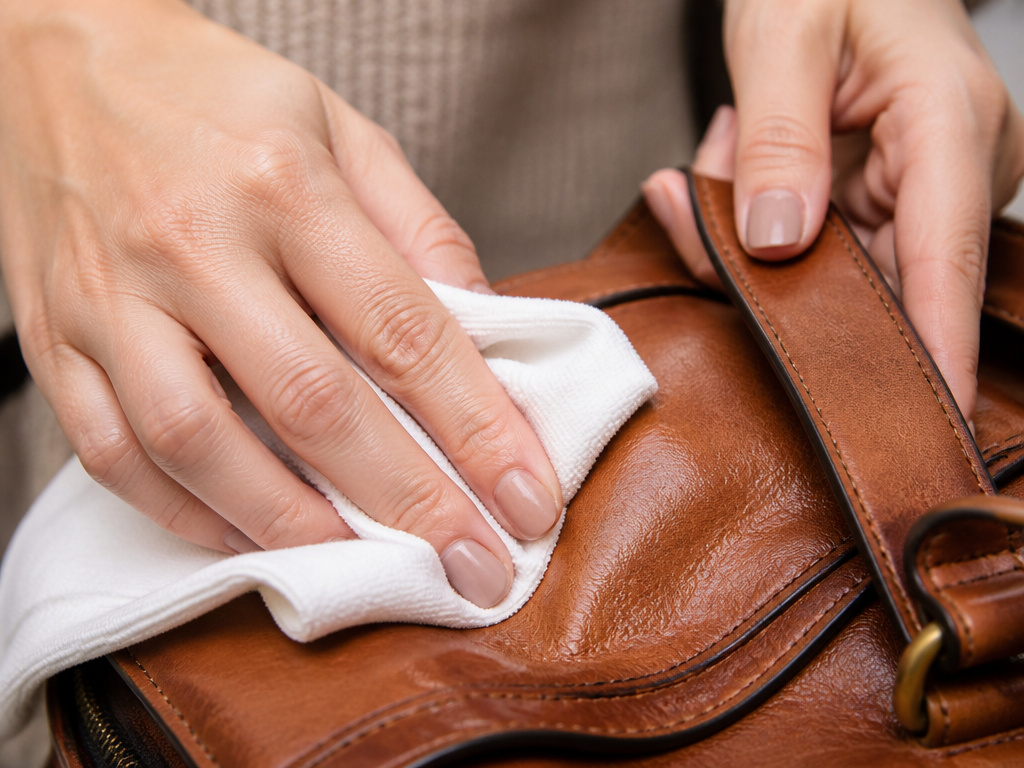 Not all materials are created equal. These exceptions break the standard rules.
Leather Diaper Bags
Never immerse your leather bag in water. Never put it in a washing machine. Water strips the natural oils, leaving the leather dry, cracked, and stiff.
Clean leather with a dedicated leather cleaner or a barely damp cloth. Apply a leather conditioner after cleaning to replenish oils. Store it away from direct heat and sunlight. For parents who love the look, this upkeep is the trade-off for choosing one of the sophisticated leather diaper bags.
Bags with Water-Resistant Coatings (HAPP, 900D Poly)
The coating is a thin film bonded to the fabric. As HAPP’s care page states, machine washing or immersion “can wash away the water-resistant coatings.” The result is a bag that soaks through in the first light rain. * Method: Spot cleaning only. Use a soft cloth with a drop of mild soap and cool water. * Drying: Wipe with a clean, damp cloth to remove soap residue. Air dry.
Changing Pads (Especially Memory Foam)
Memory foam is the tricky one. It holds water like a sponge and molds if not dried perfectly. 1. Spot clean first. If you must wash, use cool water and mild soap. 2. Press, don’t wring, to remove water. JuJuBe’s method is best: lay the pad on a dry towel, roll it tightly, and squeeze. Repeat with a dry towel until no moisture transfers. 3. Air-dry flat in a well-ventilated area. Speed drying with a fan, but never use heat.
Building a Practical Cleaning Routine
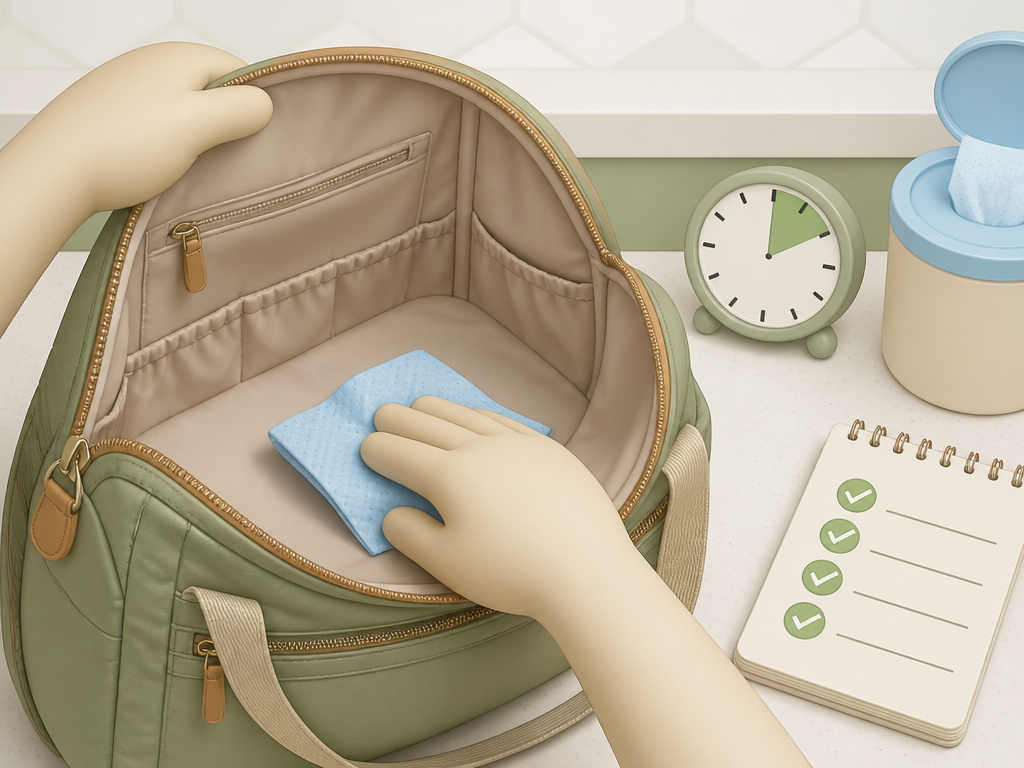 A clean bag isn’t a once-a-year project. It’s a short weekly touch-up and a thorough biannual reset.
Weekly “Quick-Clean” (5 minutes):
Empty the bag. Wipe the interior and exterior with a disinfecting wipe or a cloth dampened with a mild soap solution. This removes surface spills, crumbs, and germs before they set. It’s the easiest way to maintain your diaper bag packing system without a full overhaul.
Bi-Annual Deep Clean (30-60 minutes):
This is the full hand-wash or machine-wash process outlined above. Do it every six months, or immediately after a major spill (like formula or puree). This deep clean resets the bag, eliminating embedded odors and stains that weekly wipes miss.
Easy to miss: The inside of zippered pockets and the underside of straps. Grime builds up there silently. Flip straps and open every pocket during your deep clean.
Following this routine keeps any bag, whether it’s a sleek tote diaper bag or a utilitarian backpack, functioning like new for years. It’s the maintenance that makes the bag last.
Frequently Asked Questions
Can you put a diaper bag in the dryer?
No. The heat from a dryer can melt adhesive, warp plastic hardware, shrink fabrics, and destroy the padding in straps and changing pads. Always air-dry your diaper bag flat or hanging in a shaded, well-ventilated area.
How often should you wash a diaper bag?
Wipe down the interior weekly with a damp cloth. Perform a full, deep wash every six months. Wash immediately after any major spill of milk, formula, or food to prevent staining and odors.
What is the best way to clean a cloth diaper bag?
Check the tag first. If machine-washable, use a cold, gentle cycle inside a mesh bag. If the tag is missing or says “spot clean only,” hand-wash it in a sink with cool water and mild detergent. This is the safest method for unknown fabrics.
Can you wash a diaper bag with straps?
Yes, but you must secure them. For machine washing, place the entire bag inside a mesh laundry bag to prevent straps from tangling and stretching. For hand-washing, wash the straps as part of the whole bag, scrubbing gently where they attach.
What happens if you machine wash a non-machine-washable diaper bag?
You risk several types of damage: water-resistant coatings can strip away, interior waterproof lining can delaminate, fabrics can shrink or bleed color, and hardware can break. Most critically, you will likely void the manufacturer’s warranty, as with Skip Hop’s policy.
Before You Go
Washing a diaper bag comes down to one move: read the tag first. That label holds the key to your bag’s lifespan and your warranty’s validity. From there, hand-washing is your safest bet for most materials, while a prepped machine cycle works for brands like JuJuBe.
Remember the exceptions. Leather and water-resistant coats hate submersion. Memory foam pads need a careful press-dry. And a quick weekly wipe-down stops messes from becoming permanent.
Keep this routine, and your bag, whether you’re eyeing the best diaper bags for an upgrade or sticking with your current one, will stay fresh, functional, and ready for whatever the day holds.
