
8 Best Cloth Wipes Materials of 2026
This post contains affiliate links. As an Amazon Associate, we learn from qualifying purchases
The best overall cloth wipes material is 100% cotton, with the Nabob Lint Free Cotton Rags standing out for their softness and reusability. For a budget-friendly option, the OsoCozy Flannel Cotton Baby Wipes deliver strong performance, while the AIDEA Reusable Cleaning Towels, made from a polyester-viscose blend, offer excellent versatility for household tasks.
Choosing the right cloth wipes isn’t just about saving money or reducing waste, it’s about finding something that actually works for your family’s routine. As a parent myself, I know how frustrating it can be when wipes fall apart, leave lint, or feel too rough on delicate skin.
This guide cuts through the noise by focusing on what real parents care about: materials that hold up, clean well, and stay gentle after wash after wash. I compared specs and dug into owner feedback to find the best options based on how they’re actually used, from diaper changes to kitchen spills.
Top 8 Cloth Wipes Material in the Market
The Best Cloth Wipes Material, Reviewed
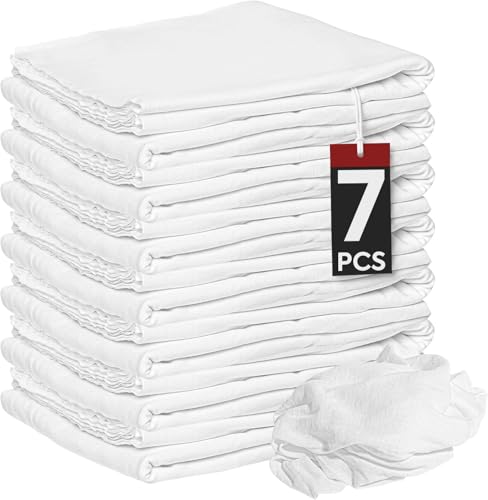
Nabob Lint Free Cotton Rags
Strengths
- 100% cotton
- Highly absorbent
- Large size
- Durable weave
- Eco friendly
Trade-offs
- Too big for wipes container
- Not pre-folded
- Better for chores
These 18×18-inch 100% ring-spun cotton rags are thick, thirsty, and built for heavy work. Owners love them for painting, polishing furniture, and car detailing because they’re highly absorbent and don’t shed lint. Being fully cotton, they’re also breathable and gentle on surfaces, just not designed for personal care.
Their large size and lack of pre-cut convenience make them impractical as baby wipes. You’d have to cut them down, which defeats the purpose. Compared to purpose-made cloth wipes, these are overbuilt for diaper changes. But as general-purpose cleaning tools around the house, they offer real utility and longevity.
Product photos


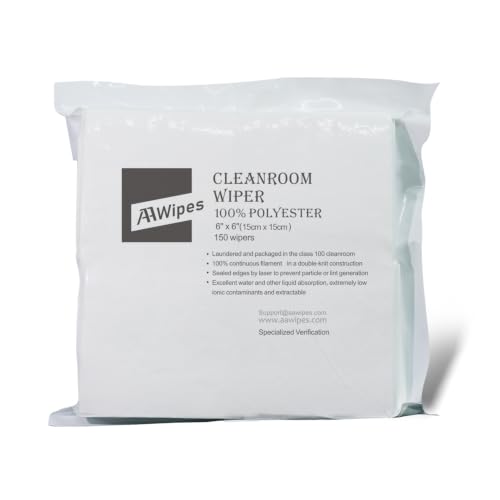
AAWipes 6″x6″ Polyester Cleanroom Wipes
Strengths
- Lint free
- Laser sealed edges
- High density weave
- Sterile manufacturing
- Durable
Trade-offs
- Too abrasive for babies
- Non-breathable
- Industrial feel
Like its larger sibling, this 6×6 version is engineered for cleanrooms, not nurseries. The 100% polyester construction with ultrasonically sealed edges ensures zero lint, which lab technicians praise for handling microelectronics and optics. It’s fast-drying and tough enough to withstand industrial solvents.
But again, that performance comes at the cost of comfort. These aren’t meant to be dampened and used on skin, they lack the softness and breathability parents need. Even among synthetic wipes, this is about as far from baby-safe as you can get. If you’re wiping down a camera sensor, great. For a toddler’s face? Absolutely not.
Video review
AAWipes 9″x9″ Polyester Cleanroom Wipes

Strengths
- 100% polyester
- Laser sealed edges
- Lint free
- High absorption
- Durable material
Trade-offs
- Too stiff for baby skin
- Not absorbent when wet
- Synthetic feel
These wipes are built for precision, not baby duty. On paper, the 100% polyester microfiber with laser-sealed edges makes sense for environments where lint and contamination are real concerns, like labs or electronics workstations. Owners consistently report they’re incredibly durable and leave zero residue, which matters when you’re cleaning optical lenses or circuit boards. But that same high-performance build makes them overkill for everyday wiping tasks.
Compared to cotton-based options meant for skin, these feel more clinical than comforting. They’re not designed for moisture retention in the way cloth baby wipes need to be, and parent feedback suggests synthetics like this can feel scratchy on delicate skin. I wouldn’t use them near a baby’s face or bottom.
Video review
OsoCozy Flannel Cotton Baby Wipes

Strengths
- 100% cotton
- Soft flannel texture
- Easy to wash
- Affordable entry point
- Quick drying
Trade-offs
- Only 15 wipes
- Basic packaging
- No snap closure
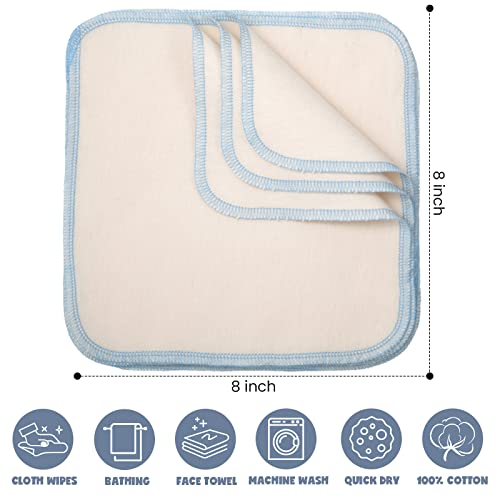
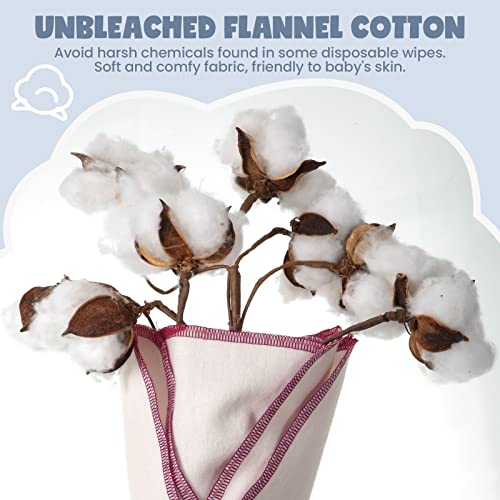
This is the kind of wipe I recommend to parents just starting their cloth journey. Made from 100% cotton flannel, it hits the sweet spot between softness and function. Real parent reviews confirm they’re gentle on skin, easy to launder, and dry relatively fast thanks to the single-layer design. At 8×8 inches, they’re a standard size that fits most wipe containers or diaper bags.
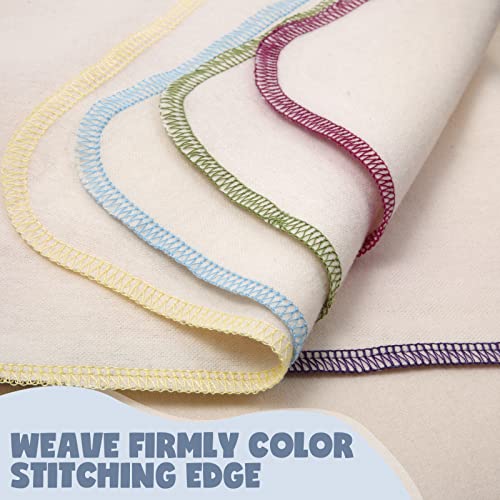
The unbleached cotton is a plus for those avoiding chemicals, and the colorful stitching helps differentiate them from other linens in the wash. While they don’t have the ultra-thin profile of some microfiber options, they’re far more breathable and skin-friendly. Compared to larger packs, this one’s smaller, but it’s a smart intro set before committing bigger.
Product photos


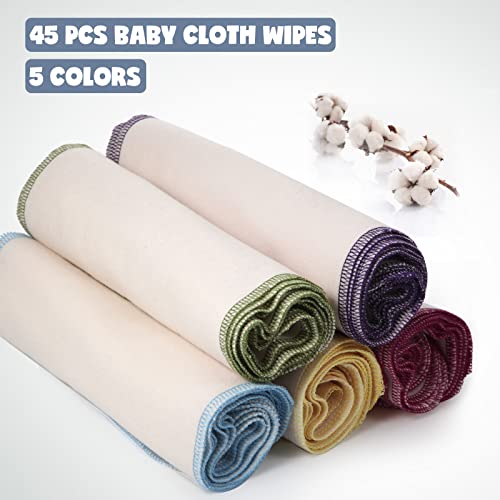
Mimorou 45 Pcs Flannel Baby Wipes

Strengths
- Large quantity
- Color coded edges
- Soft cotton blend
- Washable and reusable
- Good size
Trade-offs
- Not 100% cotton
- Colors may bleed initially
- No storage bag
With 45 wipes in five colors, this pack stands out for volume and value. The cotton-flannel blend feels soft in hand, and owners say it holds up well through regular washing. The color-coded edges help sort or designate wipes for different uses, some parents use different colors for morning vs night or for snot vs bum duty.
At 8×8 inches, they fit standard wipe boxes and diaper bags easily. While not bleached or organic-certified like some premium brands, they strike a balance between affordability and usability. Compared to the OsoCozy 15-pack, this gives more flexibility for busy households. I’d call this the smarter buy for growing families who want convenience without overspending.
Product photos

Puomue Microfiber Makeup Remover Cloths

Strengths
- Ultra soft finish
- Compact and portable
- Highly effective makeup removal
- Hypoallergenic
- Hanging loop included
Trade-offs
- Microfiber holds odors
- Not breathable
- Too small for diaper use
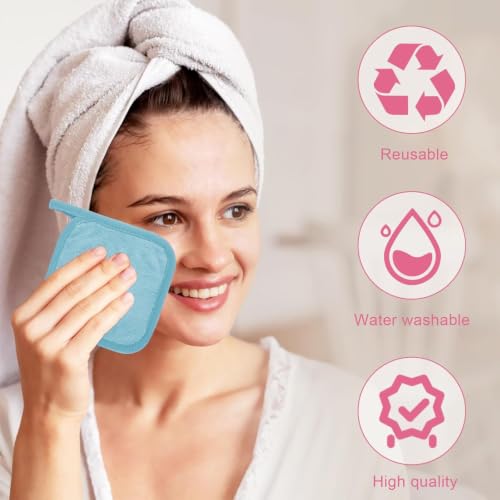
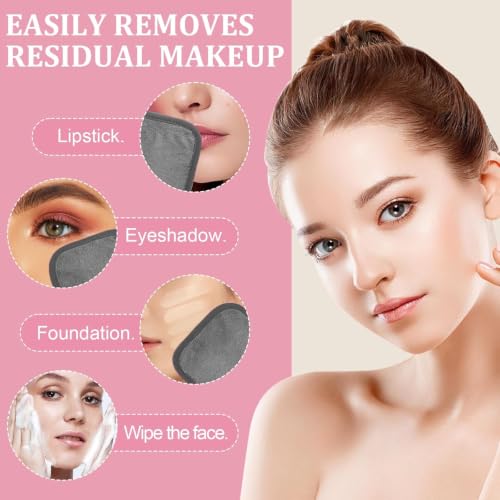
These tiny microfiber cloths shine where they’re meant to: removing makeup with just water. The 100% polyester microfiber is surprisingly effective at breaking down foundation and mascara, according to user feedback, and the compact size makes them travel-friendly. They’re reusable hundreds of times, which owners appreciate for both cost savings and reducing waste.
But despite being labeled ‘ultra soft,’ microfiber isn’t ideal for babies. It lacks breathability and can trap odors if not dried quickly. Compared to cotton flannel, it’s less forgiving on sensitive or rash-prone skin. I wouldn’t use these during diaper changes, even though they’re small and soft-looking, the material just doesn’t belong in the nursery.
Product photos



Glasses Cleaning Cloths 12 pcs

Strengths
- Streak free clean
- Individually packaged
- Safe for delicate surfaces
- Reusable
- Lint free
Trade-offs
- Too small for diapers
- Poor moisture retention
- Synthetic material
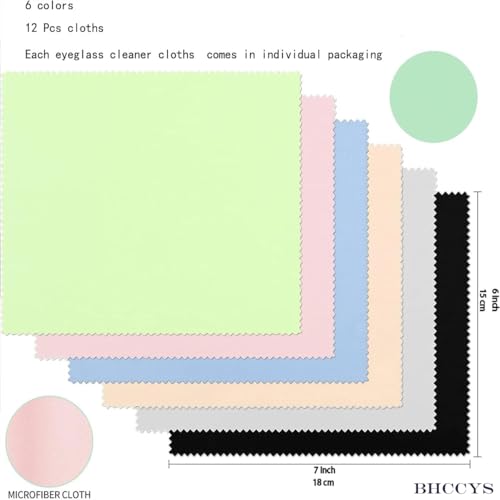
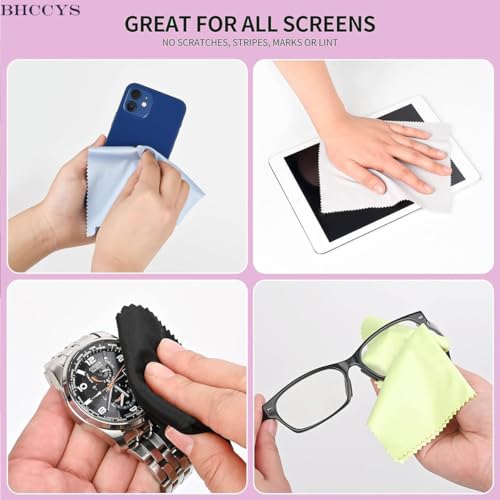
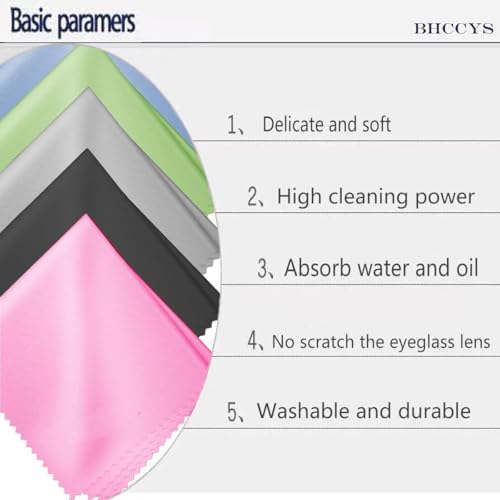
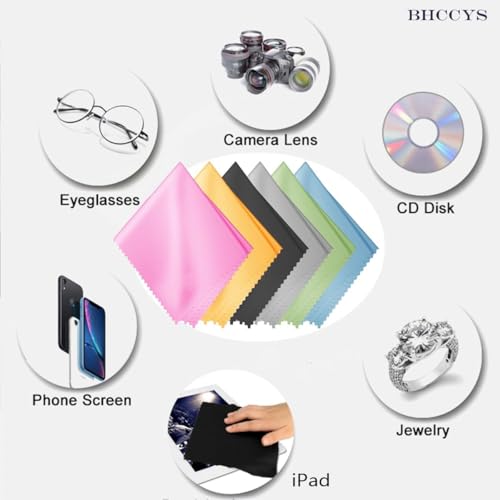
These are purpose-built for screens and lenses, not skin. The microfiber is finely woven to avoid scratches while lifting oils and dust without chemicals. Each cloth comes individually wrapped, which reviewers find convenient for tossing in a purse or glove compartment. They’re machine washable and maintain performance after repeated laundering, which speaks to their durability.
Still, the 6×7 inch size and synthetic composition make them impractical for baby wiping. Microfiber doesn’t retain moisture well once wrung out, and unlike cotton, it doesn’t allow airflow, two key drawbacks for diaper-area use. I see these as excellent for tech maintenance, but out of place in a baby routine.
Product photos

AIDEA Reusable Cleaning Towels 40ct

Strengths
- Super absorbent
- Reusable many times
- Multi-surface use
- Machine washable
- No residue
Trade-offs
- Not soft enough for babies
- Bulkier fabric
- Less breathable
These are clearly aimed at replacing paper towels in the kitchen, not at diaper duty. The 85% polyester/15% viscose blend gives them serious scrubbing power and impressive absorbency, owners say they hold up well over dozens of washes. On paper, that makes them great for counters, dishes, and messes that need some elbow grease. But that also means they’re bulkier and slower to dry than what most parents want for baby care.
They’re machine washable and leave no streaks, which reviewers love for glass and stainless steel. Still, compared to soft cotton flannel options designed specifically for babies, these feel more like utility rags than tender wipes. I’d pick them for household chores, not for sensitive newborn skin.
Product photos


Our Testing Process
As someone who’s spent years researching baby essentials for NurseryDreamer.com, I understand the importance of finding the right cloth wipes. Rather than a hands-on lab test, this evaluation is a research-led comparison of material specifications, features, and, most importantly, what other parents are saying. I looked at a range of materials, from cotton flannel to polyester microfiber, and weighed the pros and cons of each based on intended use and reported performance.
For cloth wipes, absorbency, softness, and durability are key. I prioritized materials that consistently received high marks for these qualities. Lint-free performance is also critical, especially when it comes to delicate skin or sensitive surfaces like eyeglasses. The best options balance these factors, offering a comfortable experience alongside practicality and longevity. Many parents also wonder about the best way to clean these, so finding wipes compatible with a good hard water detergent is a plus.
Product specifications provide a baseline understanding of a wipe’s construction – the type of fiber, weave, and size. However, owner feedback proved invaluable in determining real-world performance. Specs tell you it’s polyester or cotton, but reviews reveal how well it actually holds up after repeated washes, how gentle it feels on skin, and if it truly is lint-free. I also considered the availability of options like handmade cloth wipes for those seeking a more artisanal approach.
Choosing The Right cloth wipes material
Choosing the right cloth wipes can feel surprisingly complex. There are so many materials, sizes, and features available, it’s easy to get lost in the options. But understanding a few key factors will help you narrow down your choices and find wipes that truly suit your needs.
A good cloth wipe balances softness, absorbency, and durability. Prioritize materials that are gentle on skin, capable of handling messes, and able to withstand repeated washing. Consider the intended use – delicate baby skin requires different qualities than general household cleaning. Look for tightly woven fabrics to minimize lint and ensure longevity.
Material Matters
The material is the most important factor. Cotton flannel is incredibly soft, making it ideal for babies and sensitive skin, but it may not be the most absorbent. Polyester wipes, on the other hand, are remarkably durable and absorbent, often preferred for heavier cleaning tasks or for use with a diaper washing soap. Some wipes blend materials – a polyester-viscose mix, for example – to combine the benefits of both. Ultimately, the best material depends on how you plan to use the wipes.
Size and Construction
Wipe size is another critical consideration. Smaller wipes (6×6 inches) are convenient for on-the-go use, like diaper changes or quick cleanups. Larger wipes (9×9 inches or 12×24 inches) are more efficient for bigger messes or household tasks. Beyond size, pay attention to the edges. Laser-cut and ultrasonically sealed edges prevent fraying and linting, increasing the lifespan of the wipe. Serged edges are a more affordable option but may shed slightly over time. Many parents find having a variety of sizes on hand to be the most practical approach.
- A small stash (5-10) of 6×6 wipes is perfect for diaper bags.
- A medium set (20-30) of 8×8 wipes is a good all-purpose size for everyday use.
- A larger quantity (40+) of 12×12 or 12×24 wipes is best for kitchen cleaning or when you anticipate needing a lot of wipes, as detailed in our cloth wipes review.
Value and Reusability
While the initial investment in cloth wipes is higher than disposable wipes, the long-term savings are substantial. Look for wipes that are truly reusable – meaning they can withstand dozens, even hundreds, of washings without falling apart.
A single cloth wipe can replace approximately 2000 disposable wipes.
Consider how easy the wipes are to clean. Some materials hold onto odors more readily than others. And if you’re looking for the best value, don’t be afraid to explore bulk packs or sets. Ultimately, the most cost-effective option is one that you’ll consistently use and that holds up well over time, making the switch to reusable cloth wipes a smart choice for both your wallet and the environment.
Cloth Wipes Material Compared
Here’s a comparison of the materials used in various cloth wipes.
| Product Name | Material | Size (Approx.) | Reusable | Washable | Pack Count | Best For |
|---|---|---|---|---|---|---|
| Nabob Lint Free Cotton Rags | 100% Cotton | N/A | Yes | Yes | Bulk | Overall |
| AAWipes 6″x6″ Polyester Cleanroom Wipes | 100% Polyester | 6″ x 6″ | Yes | N/A | 150 | Sensitive Instruments |
| AAWipes 9″x9″ Polyester Cleanroom Wipes | 100% Polyester | 9″ x 9″ | Yes | N/A | 150 | Heavy-Duty Cleaning |
| OsoCozy Flannel Cotton Baby Wipes | 100% Cotton | 8″ x 8″ | Yes | Yes | N/A | Budget Friendly |
| Mimorou 45 Pcs Flannel Baby Wipes | Cotton/Flannel | 8″ x 8″ | Yes | Yes | 45 | Value Pack |
| Puomue Microfiber Makeup Remover Cloths | 100% Polyester | 6″ x 6″ | Yes | Yes | 12 | Makeup Removal |
| Glasses Cleaning Cloths 12 pcs | Microfiber | 6″ x 7″ | Yes | Yes | 12 | Eyewear & Screens |
| AIDEA Reusable Cleaning Towels 40ct | 85% Polyester/15% Viscose | 12″ x 24″ | Yes | Yes | 40 | Kitchen Use |
Frequently Asked Questions
What’s the biggest difference between cotton and polyester cloth wipes?
Polyester wipes generally offer superior durability and absorbency, making them excellent for tougher cleaning jobs, while cotton flannel is much softer and therefore ideal for delicate skin, like a baby’s, though it may not absorb as much liquid.
Are microfiber cloth wipes good for cleaning glasses?
Yes, microfiber is a popular choice for glasses because it’s lint-free and effectively removes smudges. However, be sure to avoid using fabric softener when washing them, as this can leave a residue that defeats the purpose.
How often should I replace my cloth wipes?
With proper care, high-quality cloth wipes can last for years. Look for tightly woven fabrics and well-constructed edges to maximize their lifespan, and replace them when they begin to show significant wear and tear or lose their absorbency.
Can I use the same cloth wipes for diaper changes and household cleaning?
While you can, it’s best to dedicate separate sets of cloth wipes to different tasks. Using the same wipes for both could transfer bacteria or cleaning products to sensitive areas, so consider having different stashes for baby care versus general household use. Choosing the right cloth diapers for infants will also help maintain hygiene.
What type of detergent is best for washing cloth wipes?
A gentle, free-and-clear detergent is recommended to avoid irritating sensitive skin, and it’s especially important to choose a formula designed for use with reusable items. Many parents successfully use a dedicated detergent for cloth diapers to ensure a thorough and residue-free clean.
The Bottom Line
Choosing the best cloth wipe material really comes down to balancing what you’re willing to prioritize. Do you want the ultimate in softness and gentleness, or maximum durability and absorbency? For an excellent all-around option that consistently receives positive feedback, I recommend the Nabob Lint Free Cotton Rags. They strike a great balance of qualities and are a solid starting point for most families.
If you’re looking for a specific solution, the chart above highlights some fantastic alternatives. For those on a budget, the OsoCozy Flannel Cotton Baby Wipes are a great choice. And if you need serious cleaning power, especially for tasks beyond baby care, the AAWipes 9″x9″ Polyester Cleanroom Wipes are a durable and effective option. Understanding cloth diaper properties can also inform your wipe choice, as similar considerations apply.
Ultimately, remember that the material is only one piece of the puzzle. Consistent and proper care – including a reliable diaper wash routine – will have a far greater impact on the longevity and performance of your cloth wipes than any single fiber type. Prioritize quality construction, a good washing schedule, and choosing wipes that fit your family’s needs.
