
2 Best Diaper Ointments of 2026
This post contains affiliate links. As an Amazon Associate, we learn from qualifying purchases
The A+D Original Diaper Rash Ointment is our overall best pick for its reliable protection and gentle formula, while the Triple Paste 3X Max Strength is the go-to for severe rashes thanks to its 40% zinc oxide. For a balance of performance and value, the A+D ointment stands out as the smart budget-friendly choice.
Choosing the right diaper ointment shouldn’t mean guessing what’s safe or effective. As a parent, I know how frustrating it is to see your baby uncomfortable and wonder if the product you’re using is really helping.
This guide cuts through the noise by focusing on what matters: zinc oxide levels, ingredient safety, and real parent feedback. I compared specs and dug into user experiences to find ointments that actually work without irritating delicate skin.
Top 1 Diaper Ointment in the Market
The Best Diaper Ointment, Reviewed
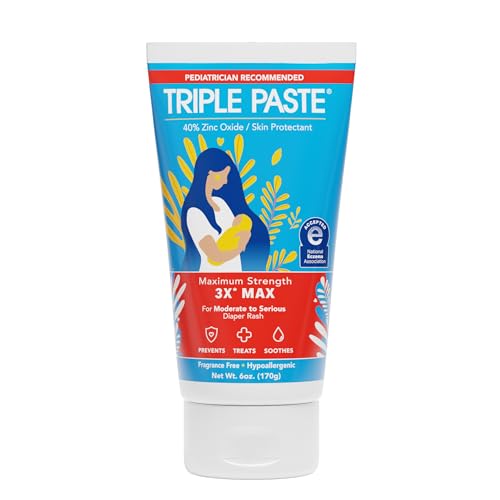
Triple Paste 3X Max Strength Diaper Rash Ointment
Strengths
- 40% zinc oxide
- Fragrance-free
- Pediatrician-recommended
- Hypoallergenic
- Thick protective barrier
Trade-offs
- Messy application
- Dense texture
- Higher price per ounce
When a diaper rash turns serious, you need something that acts fast and stays put, and that’s exactly what this ointment promises on paper. With 40% zinc oxide, it’s one of the highest concentrations available over the counter, which is the real workhorse when it comes to forming a protective barrier and speeding up healing. Parents consistently report it makes a visible difference within a day or two, even with stubborn rashes that didn’t respond to lighter creams.
The formula skips common irritants, no fragrance, parabens, or dyes, which matters a lot for sensitive newborn skin. It’s thick, almost paste-like, so it doesn’t rub in completely, but that’s the point: it stays on the surface where it’s needed. Some parents mention it can be messy to apply, but that trade-off seems worth it when the rash clears quickly. Compared to standard 15–20% zinc creams, this one is clearly in a different class for treatment, not just prevention.
Video review
How We Picked These diaper ointment
Rather than a hands-on lab test, my research for NurseryDreamer.com involved a detailed comparison of product specifications and features, alongside a thorough review of owner experiences and expert recommendations. I looked at zinc oxide concentration, additional ingredients, and reported effectiveness, then weighted those against what parents are actually saying about ease of application, scent (or lack thereof), and how well the ointment cleared up rashes. This allowed me to build a ranking based on real-world usability.
For diaper ointment, the most important factors are clearly the percentage of zinc oxide and the presence of potentially irritating additives. Higher zinc oxide levels generally mean more robust protection, but only if the formula is still spreadable. Equally vital is a gentle formula; babies have sensitive skin, so I prioritized options free from fragrances, parabens, and phthalates. You’ll find more about choosing a safe ointment for newborn skin in our full guide.
Product specs reliably indicate the potential for effectiveness (zinc oxide percentage is key), but owner feedback reveals how that potential translates into reality. Reports about greasiness, how well the ointment stays put, and whether it truly soothes irritation are invaluable. I also considered whether an ointment was frequently recommended by pediatricians and dermatologists, and if any red flags appeared regarding reports of worsened rashes or allergic reactions. If you suspect a yeast diaper rash ointment is needed, it’s best to consult with a doctor.
How To Choose The diaper ointment
Choosing the right diaper ointment can feel like navigating a minefield of ingredients and promises. As a parent, I understand wanting something that actually works and is gentle on your baby’s delicate skin.
A truly effective diaper ointment creates a robust moisture barrier, contains an appropriate concentration of zinc oxide (typically between 10% and 40%), is hypoallergenic to minimize irritation, and applies easily without excessive rubbing which can further irritate sensitive skin. Parents should also consider the formula’s ingredients, looking for those free of potential allergens or harsh chemicals.
Understanding Zinc Oxide Concentration
The amount of zinc oxide in a diaper ointment is a primary indicator of its strength. While a little zinc oxide is good, more isn’t always better. Lower concentrations (around 10-15%) are often sufficient for preventative use and mild redness. However, for more stubborn rashes or those caused by yeast, you’ll want to look at higher concentrations – 30% to 40% like you find in effective diaper rash treatments. I’ve seen many parents reach for stronger formulas like Triple Paste 3X Max when gentler options aren’t cutting it, and it can be a real relief. Don’t be afraid to step up the strength if needed, but always follow package directions.
Considering the Formula & Ingredients
Beyond zinc oxide, pay close attention to the other ingredients. Many parents are now prioritizing formulas free of potentially irritating additives. A+D Original, for instance, avoids parabens, dyes, and phthalates, which is a plus. But it’s also important to look at what is included. Some ointments add soothing ingredients like aloe vera or nourishing elements like oat extract. If your baby has particularly sensitive skin or allergies, you might lean toward organic diaper ointment.
Here’s what I often tell parents to consider when looking at ingredient lists:
- Avoid fragrances: Even “natural” fragrances can be irritating.
- Be cautious with lanolin: While moisturizing, some babies react to it.
- Look for hypoallergenic claims: These indicate the formula has been tested to minimize allergic reactions, though they aren’t a guarantee.
Balancing Consistency and Application
The texture of a diaper ointment matters. A thick paste, like Triple Paste, stays put and provides a strong barrier, but can be harder to spread. A thinner cream, like A+D, is easier to apply but may require more frequent reapplication. You want something that’s easy enough to use during a diaper change – especially those middle-of-the-night ones! – but also won’t rub off easily with movement. Ultimately, finding the right balance comes down to personal preference and your baby’s specific needs. I’ve found that many parents appreciate having both a thicker, more protective ointment for severe rashes and a lighter one for everyday use. You might even explore top ointments for diaper rash to find your favorites.
A little goes a long way. Apply a generous, but not excessive, amount of diaper ointment to create a visible barrier on clean, dry skin. Overapplication doesn’t improve effectiveness and can make diaper changes messier.
Diaper Ointment Compared
Here’s a specification comparison of the diaper ointments to help you choose the best option for your needs.
| Product Name | Size (oz) | Zinc Oxide (%) | Contains Aloe? | Fragrance Free? | Pediatrician Recommended? |
|---|---|---|---|---|---|
| A+D Original Diaper Rash Ointment | 16 | N/A | Yes | N/A | Yes |
| Triple Paste 3X Max Strength Diaper Rash Ointment | N/A | 40 | No | Yes | Yes |
Frequently Asked Questions
Can diaper ointment prevent rashes, or is it only for treatment?
Diaper ointment can absolutely be used preventatively. Applying a thin layer with each diaper change creates a protective barrier against moisture, which is the primary cause of diaper rash, especially when using [cloth diapers and rash].
What should I do if a diaper rash doesn’t improve after a few days of using ointment?
If a rash persists for more than three days despite consistent ointment use, it’s best to consult your pediatrician. It could indicate a fungal infection or another condition requiring a different treatment approach.
Are there diaper ointments suitable for sensitive skin prone to allergies?
Yes, many options are formulated for sensitive skin. Look for ointments labeled hypoallergenic and free of fragrances, parabens, and phthalates. You may also want to explore [natural diaper ointment] options with simpler, plant-based ingredients.
How often should I reapply diaper ointment during a diaper change?
Reapplication frequency depends on the severity of the rash and the ointment’s consistency. For mild redness, once a day or with each bowel movement may suffice. For more severe rashes, or with thinner creams, reapply with every diaper change.
Can I use diaper ointment with other diaper rash treatments, like a powder?
Generally, it’s best to avoid combining diaper ointment with powders, as the powder can reduce the ointment’s effectiveness and potentially cause respiratory irritation. Focus on a good barrier ointment and, if needed, discuss additional treatments with your pediatrician to ensure [diaper rash prevention].
The Bottom Line
Choosing a diaper ointment often comes down to balancing how much fuss you want to deal with against the level of protection you need. For most families, I believe A+D Original Diaper Rash Ointment strikes the best overall balance – it’s gentle, pediatrician-recommended, and effective for everyday use and mild irritation. It’s a reliable choice that covers the basics well.
If your little one is battling a particularly stubborn rash, or you’re dealing with diaper rash from diarrhea, then Triple Paste 3X Max Strength Diaper Rash Ointment is the way to go. For parents seeking a more natural approach, there are excellent organic diaper ointment options available, and for those needing help with a truly persistent issue, consider looking at strong creams for severe rash.
Ultimately, remember that the percentage of zinc oxide is important, but it’s not everything. Prioritize a gentle formula, watch for any signs of irritation, and focus on keeping your baby’s skin clean and dry. Those fundamentals will make a bigger difference than any single product feature.
