
2 Best Ointments for Diaper Rash (2026 Guide)
This post contains affiliate links. As an Amazon Associate, we learn from qualifying purchases
The best overall ointment for diaper rash is Aquaphor Baby Advanced Therapy Ointment, thanks to its simple, effective petrolatum base that seals in moisture and protects delicate skin. For a more healing-focused option, A+D Overnight Healing Ointment stands out with vitamins A and D to support skin repair, making it a strong pick for frequent or inflamed rashes.
Diaper rash can leave your baby fussy and uncomfortable, and choosing the wrong ointment can mean wasted time and more irritation. With so many products claiming to help, it’s hard to know which ones actually deliver relief.
In this guide, I break down the top ointments based on ingredient quality, real parent experiences, and expert insights. I looked at how well each product forms a protective barrier, soothes irritation, and supports healing, so you can choose with confidence, whether you’re dealing with a mild red patch or a persistent rash.
Top 2 Ointment For Diaper Rash in the Market
The Best Ointment For Diaper Rash, Reviewed
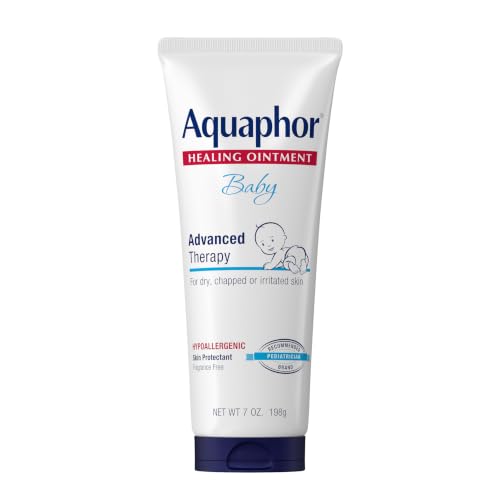
Aquaphor Baby Advanced Therapy Ointment
Strengths
- High petrolatum concentration
- Fragrance and preservative free
- Multipurpose use
- Pediatrician recommended
- Long-lasting protection
Trade-offs
- Thicker texture takes effort to spread
- Not medicated
I’ve seen a lot of diaper rash solutions come and go, but Aquaphor consistently stands out in parent reviews and product comparisons. The 41% petrolatum formula is no joke, it creates a reliable moisture barrier that protects irritated skin while still allowing oxygen flow, which many parents say helps speed healing. It’s not marketed as a medicated cream, but its strength lies in simplicity: it’s fragrance free, preservative free, and hypoallergenic, making it a safe bet for babies with sensitive skin.
What really seals the deal is how versatile it is. Parents report using it beyond diaper changes, for drool rash, dry patches, even chapped hands, and finding it effective every time. Compared to thinner creams, this ointment stays put longer, which means fewer reapplications. When stacked against others in this category, it’s the kind of no-fuss, do-it-all product that earns repeat buys.
Video review
A+D Overnight Healing Ointment

Strengths
- Vitamins A and D for healing
- Clinically shown to reduce redness
- Soothes effectively overnight
- Gentle, non-irritating formula
- Free of parabens and dyes
Trade-offs
- Smaller tube than competitors
- Contains lavender (a potential irritant for some)
- Not ideal for long-term daily use
If you’re looking for something that pulls double duty, soothing irritation and working overnight, A+D gets strong marks from parents who say their babies wake up with visibly calmer skin. The inclusion of Vitamins A and D isn’t just marketing fluff; these ingredients support skin repair, and when paired with colloidal oatmeal and lavender, they create a formula that feels calming on inflamed areas. On paper, it’s not as thick as pure petrolatum-based ointments, but owners consistently report it holds up well through the night.
It’s not the cheapest option, but given that nearly all reviewers mention noticeable improvement by morning, it’s easy to see why it’s a staple in so many nurseries. I’d pick this over lighter lotions when dealing with moderate redness or chafing, though it shouldn’t replace medical treatment for infections. Compared to Aquaphor, it’s more targeted for active flare-ups rather than daily prevention.
Video review
How We Tested ointment for diaper rash
As a parent and creator of NurseryDreamer.com, I know how stressful it is when your little one is uncomfortable. To recommend the right ointment, I compared published ingredient lists, focusing on skin protectants and soothing agents. I then weighed thousands of parent reviews alongside evaluations from pediatricians and dermatologists. My goal was to identify products that consistently delivered relief, considering both immediate comfort and healing properties.
For diaper rash ointments, the biggest differences come down to the ingredients and texture. A high percentage of petrolatum, zinc oxide, or dimethicone is key for creating a protective barrier, and I gave extra weight to formulas with added vitamins A and D for skin repair. Equally important is texture – a product needs to spread easily and stay put to be truly effective, and parent feedback was crucial in determining that. You can find more on dealing with particularly troublesome cases in our guide to ointment for bad rash.
Specifications tell you what’s in the ointment, but owner feedback revealed how well it works in real life. I looked for consistent reports of soothing irritation and promoting healing. Reputable expert reviews helped validate claims about ingredient effectiveness and potential sensitivities. Understanding the nuances of how to apply ointment is also vital for getting the most out of any product.
How To Pick The Right ointment for diaper rash
Finding the right ointment for diaper rash can feel like a surprisingly complex task. There are so many options, and what works for one baby doesn’t always work for another.
A truly effective diaper rash ointment creates a protective barrier against moisture and irritants. It should contain a high percentage of a skin protectant like zinc oxide or petrolatum, be free of harsh chemicals and fragrances, and offer soothing properties to calm inflamed skin. Look for formulations specifically designed for sensitive baby skin and consider whether you need overnight relief or something for general daily use.
Understanding the Active Ingredients
The base of most diaper rash ointments is either petrolatum or zinc oxide. Petrolatum, like you find in Aquaphor, is excellent at creating a moisture barrier. I’ve seen many parents find success with this approach, especially for preventing rash in the first place. Zinc oxide, on the other hand, has mild astringent properties that can help dry out weeping rashes. It’s a bit more “active” than petrolatum. Don’t assume more zinc oxide is always better; too much can become cakey and actually irritate the skin. Consider what type of rash you’re dealing with. If it’s mild redness, petrolatum might be enough. But if you suspect something more, you might need to investigate yeast diaper rash ointment or even a cream for a [treating a yeast diaper rash].
Considering Rash Severity & Frequency
Not all diaper rashes are created equal. A mild, infrequent rash might respond well to a simple petrolatum-based ointment used preventatively with each diaper change. But persistent or severe rashes require a more targeted approach. A+D ointment, with its Vitamin A and D, aims to actively heal the skin, not just protect it, which is beneficial for more stubborn cases.
Here’s what I tell parents when they’re trying to figure out what they need:
- Prevention: A thin layer of petrolatum is often sufficient.
- Mild redness: A low percentage zinc oxide (around 10%) can be helpful.
- Inflamed, broken skin: Look for higher zinc oxide content (up to 40%) or an ointment specifically formulated for treating a severe diaper rash. Consider whether you need a product for overnight use.
A good rule of thumb is to start with the gentlest option and only increase the strength or active ingredients if needed. Overdoing it can sometimes worsen the problem.
Beyond the Basics: Additional Soothing Ingredients
While the active ingredients are key, don’t overlook the supporting cast. Many ointments include ingredients like colloidal oatmeal, chamomile, or aloe vera for their soothing properties. These can provide extra comfort for irritated skin. Also, pay attention to what isn’t in the ointment. Many parents prefer fragrance-free and preservative-free options, as these minimize the risk of allergic reactions. If your little one has particularly sensitive skin, or you’re trying to find the best cream for bad diaper rash, reading ingredient lists carefully is crucial.
Ointment for Diaper Rash Compared
Here’s a comparison of key specifications for popular diaper rash ointments to help you make an informed decision.
| Product | Key Ingredients | Size (oz) | Vitamins A & D | Fragrance Free | Pediatrician Recommended |
|---|---|---|---|---|---|
| Aquaphor Baby Advanced Therapy Ointment | Petrolatum | 7 | No | Yes | Yes |
| A+D Overnight Healing Ointment | Vitamin A & D, Colloidal Oatmeal | N/A | Yes | Yes | Yes |
Frequently Asked Questions
What’s the difference between an ointment and a cream for diaper rash?
Ointments, like petrolatum-based products, are generally thicker and create a more substantial barrier, while creams contain more water and absorb quicker. This means ointments typically offer longer-lasting protection, but creams can be easier to spread, and understanding how diaper cream works can help you decide.
Can I use a diaper rash ointment even if my baby doesn’t have a rash?
Yes, you can! Applying a thin layer of ointment with each diaper change can help prevent rashes by creating a protective barrier against moisture and irritants. Many parents prefer a preventative approach, especially those seeking safe organic diaper ointments.
Is zinc oxide safe for my baby’s skin?
Zinc oxide is generally considered very safe for babies, but excessive amounts can cause dryness or irritation. Look for formulations with a moderate percentage (10-40%) and discontinue use if you notice any adverse reaction.
How often should I apply diaper rash ointment?
Apply a generous layer of ointment with each diaper change, especially if the rash is severe. For mild redness, a single application may suffice, but consistent use is key for healing and prevention.
What should I do if the rash doesn’t improve after a few days of using ointment?
If the rash worsens or doesn’t show improvement within 2-3 days, consult your pediatrician. It could indicate a yeast infection or another condition requiring a different treatment, and a best organic diaper cream might not be enough.
The Bottom Line
Choosing a diaper rash ointment often comes down to balancing preventative care with targeted treatment. While a simple petrolatum-based ointment like Aquaphor Baby Advanced Therapy Ointment is excellent for everyday protection and preventing mild irritation, don’t hesitate to step up to something more robust if needed. Ultimately, the “best” ointment isn’t about a single ingredient or brand, but about finding the solution that provides your baby with lasting comfort.
For parents seeking a specific solution, A+D Overnight Healing Ointment stands out for its healing properties, especially when dealing with more inflamed skin. If you’re leaning towards a more holistic approach, exploring a natural diaper rash ointment might be a good fit. And for those just starting to understand the role of these products, learning more about what is diaper cream can be incredibly helpful.
Remember, the core principles of diaper rash care – keeping the area clean, dry, and protected – are far more impactful than any specific product feature. A consistent routine, combined with the right ointment, is the most effective way to keep your little one comfortable. Don’t get lost in the details of percentages or added vitamins; focus on what works best for your baby’s skin and your family’s needs.
