
4 Best Diaper Creams for Sensitive Skin 2026
This post contains affiliate links. As an Amazon Associate, we learn from qualifying purchases
The best overall diaper cream for sensitive skin is Triple Paste, thanks to its effective 12.8% zinc oxide barrier and soothing oat extract. For a budget-friendly option, CeraVe delivers with ceramide support to help repair delicate skin, while Weleda Calendula is a solid choice for parents who prefer a gentler, plant-based formula with calming botanicals.
As a parent, you know how quickly diaper irritation can turn into a cycle of discomfort and worry. With so many creams on the market, it’s hard to know which ones will actually protect sensitive skin without causing more harm. I’ve researched dozens of options, comparing ingredient lists, zinc oxide levels, and real parent feedback to find the ones that stand out for safety and effectiveness. This guide cuts through the noise to help you choose a cream that’s truly gentle, protective, and easy to use.
Top 4 Diaper Cream For Sensitive Skin in the Market
The Best Diaper Cream For Sensitive Skin, Reviewed
Triple Paste Diaper Rash Cream

Strengths
- High zinc concentration
- Fragrance-free
- Dermatologist-recommended
Trade-offs
- Thick texture hard to spread
- Large tube less travel-friendly
- Higher price per ounce
When you’re dealing with a persistent rash on sensitive skin, you want something that pulls double duty, soothing fast and protecting longer. Triple Paste stands out with its 12.8% non-nano zinc oxide base, which on paper and in parent feedback delivers a thick, durable barrier that holds up through multiple changes. The addition of oat extract and beeswax adds a calming layer beyond basic zinc formulas, and I appreciate that it’s free from fragrance, parabens, and phthalates, common irritants you don’t want near tender skin.
Reviewers consistently report it works well for severe or stubborn rashes where other creams failed, and the large 16 oz size means it lasts through the worst flare-ups. It’s not the easiest to spread, this is a thick ointment, no surprise, but that also means it doesn’t get rubbed away quickly. Compared to lighter lotions, this one is built for endurance. For parents needing a heavy-duty option that’s still gentle, it’s hard to beat.
Video review
Honest Company Diaper Rash Cream

Strengths
- Affordable
- Clean ingredient list
- Hypoallergenic and cruelty-free
Trade-offs
- Thin consistency
- Frequent reapplication needed
- Small size
The Honest Company’s diaper cream hits a sweet spot for budget-conscious parents who still want a clean ingredient list. It’s formulated with zinc oxide and a phyto-blend of soothing botanicals, and it’s free from parabens, mineral oil, and synthetic fragrances, key wins for sensitive skin. At this price point, it’s one of the more accessible options that doesn’t cut corners on common irritants.
Still, I’d be honest: this cream is thinner than others, and owners note it doesn’t last as long between changes. You’ll likely need to reapply more often, especially overnight or during long outings. It works fine for early-stage redness or as a preventive, but when the rash digs in, it often takes a step up to something like Triple Paste. For new parents stocking up on basics without breaking the bank, it’s a reasonable first choice, but don’t expect it to power through severe irritation.
Video review
Weleda Calendula Diaper Cream

Strengths
- Rich in natural botanicals
- Gentle for daily use
- Trusted brand in natural care
Trade-offs
- Lower zinc concentration
- Contains lanolin
- Smaller tube runs out fast
If your priority is a truly plant-based formula with a legacy of gentle care, Weleda’s Calendula Diaper Cream earns its reputation. It blends a modest amount of zinc oxide with calendula, chamomile, and sweet almond oil, ingredients long trusted in natural baby care. Parents who lean into holistic routines often praise how well it soothes early redness and keeps skin nourished without synthetic additives. The lanolin content helps lock in moisture, though I’d note that some with wool allergies may want to skip it.
That said, this isn’t the cream to reach for when you’re in full-blown rash mode. The protection layer isn’t as robust as higher-zinc competitors, so it’s better suited for daily prevention or mild irritation. Still, for those committed to clean, botanical ingredients and whose babies haven’t developed serious chafing, it’s a standout. Compared to The Honest Company’s offering, it feels more traditionally medicinal in texture and performance.
Product photos




CeraVe Diaper Rash Cream

Strengths
- Contains ceramides
- Non-greasy texture
- Eczema-friendly formula
Trade-offs
- Contains petrolatum
- No natural botanicals
- Slight learning curve in application
CeraVe brings its dermatologist-backed skincare expertise to the diaper bag with a formula that stands out for one key reason: three essential ceramides. For babies with eczema-prone or compromised skin barriers, this is a standout. The ceramides help rebuild and maintain the skin’s natural protection, while petrolatum and hyaluronic acid lock in moisture and shield against wetness. It’s fragrance-free, lanolin-free, and accepted by the National Eczema Association, credentials that matter when you’re navigating sensitive skin.
Parents report it’s effective not just in the diaper area but on dry patches elsewhere, making it a versatile pick. Texture-wise, it’s smooth and less greasy than traditional petroleum-based ointments, which many appreciate. Compared to Weleda, it’s less botanical but more clinically grounded. If your baby has recurring irritation or a history of dry, reactive skin, this one earns extra points for its science-backed barrier support.
Product photos


How We Picked These diaper cream for sensitive skin
I approached researching diaper creams for sensitive skin by first compiling a detailed list of available products and comparing their published specifications. This included zinc oxide percentage, ingredient lists, and any claims regarding hypoallergenic or dermatologist-tested status. Then, I weighed owner reviews from major retailers alongside expert opinions from parenting websites and pediatric sources. My goal was to identify patterns in reported effectiveness and potential irritants, building a picture of real-world performance.
For sensitive skin, the most important factors are clearly the ingredient list and the level of zinc oxide. A high percentage of zinc oxide (ideally over 10%) provides a robust barrier against moisture, but it’s the other ingredients that determine whether a cream will truly soothe or potentially worsen irritation. I also prioritized creams free of common allergens like fragrances, dyes, and parabens, as these are frequent culprits in reactions.
Specifications reliably indicate the concentration of key ingredients like zinc oxide and ceramide content. However, owner feedback proved crucial for assessing a cream’s actual texture, ease of application, and whether it truly lived up to claims of gentleness. Reputation and dermatologist recommendations were also valuable filters, helping me separate consistently praised options from those with more mixed reviews. You can find more information about our recommended diaper cream for babies.
How To Choose The diaper cream for sensitive skin
As a parent, I know how stressful it can be when your little one’s skin gets irritated. Finding the right diaper cream feels crucial, and there are so many options. It can be overwhelming! Let’s break down what really matters when you’re searching for relief.
A truly effective diaper cream needs to create a protective barrier against moisture, contain a sufficient percentage of zinc oxide (typically between 10% and 40%) to soothe inflammation, and be formulated without harsh ingredients that could worsen sensitivity. Look for creams with minimal additives and consider whether your baby benefits from specific botanical ingredients or ceramide support.
Understanding Zinc Oxide Percentage
The amount of zinc oxide in a diaper cream is a primary indicator of its potency. While some redness can be addressed with lower concentrations (around 10%), more persistent or severe rashes often respond better to higher percentages (20% or more). However, more isn’t always better. A very thick, highly concentrated cream can be difficult to wash off completely, potentially contributing to build-up and irritation. Finding the right balance is key.
Ingredient Lists: What to Avoid (and Seek Out)
Parents are increasingly aware of what they’re putting on their babies, and rightly so. When looking at ingredient lists, steer clear of fragrances, dyes, parabens, and phthalates – these are common irritants. Many parents are also now seeking out non-toxic diaper cream options. Beyond avoidance, look for beneficial additions. Ceramides, like those found in CeraVe, help restore the skin barrier, while ingredients like calendula (in Weleda creams) and oat extract (in Triple Paste) offer soothing properties.
- A short list of “free-from” claims (fragrance-free, dye-free) is a good start, but don’t rely on it exclusively.
- Consider the inclusion of natural emollients like shea butter or sweet almond oil, which can provide extra moisturization and support skin health.
- If your baby has eczema or a history of allergies, choosing a cream with the National Eczema Association Seal of Acceptance is a great way to narrow down your choices and ensure a gentler formula. This can give you peace of mind when choosing a diaper rash cream for sensitive skin.
Don’t assume “natural” always equals “better.” Some natural ingredients can still be allergenic. Always patch-test a new cream on a small area of your baby’s skin before applying it broadly.
Consistency and Application
The best diaper cream is useless if you won’t actually use it. Consider the texture. Some creams are very thick and require significant effort to spread, while others are lighter and glide on easily. A thicker cream is often preferred for severe rashes as it provides a more substantial barrier, but a lighter consistency might be better for everyday preventative use. Also, think about the packaging. A tube is generally more hygienic than a jar, and a smaller tube is ideal for throwing in a diaper bag for on-the-go relief. If you’re unsure where to start, checking out reviews of sensitive skin diaper cream can offer valuable insights.
Diaper Cream for Sensitive Skin Compared
Here’s a comparison of key specifications for diaper creams designed for sensitive skin.
| Product Title | Zinc Oxide (%) | Ceramides | Lanolin | Fragrance Free | Key Ingredients |
|---|---|---|---|---|---|
| Triple Paste Diaper Rash Cream | 12.8 | No | No | Yes | Oat Extract, Beeswax |
| Honest Company Diaper Rash Cream | N/A | No | No | Yes | Phyto-Blend |
| Weleda Calendula Diaper Cream | 2.8 | No | Yes | Yes | Calendula, Chamomile |
| CeraVe Diaper Rash Cream | N/A | Yes | No | Yes | Hyaluronic Acid, 3 Ceramides |
Frequently Asked Questions
What zinc oxide percentage is best for everyday use?
Around 10% to 15% zinc oxide is generally sufficient for preventing mild redness and keeping skin protected during routine diaper changes. Higher concentrations are better reserved for active rashes, as overly thick creams can be harder to remove.
Can diaper cream prevent diaper rash, or just treat it?
Diaper cream, particularly those with a good zinc oxide content, creates a protective barrier that can absolutely prevent diaper rash by shielding skin from moisture and irritants. Consistent use at every change is a proactive approach.
Are “natural” diaper creams always better for sensitive skin?
Not necessarily. While many parents prefer natural diaper cream, some natural ingredients can still cause allergic reactions. Always check the full ingredient list and patch-test before widespread use.
How often should I apply diaper cream?
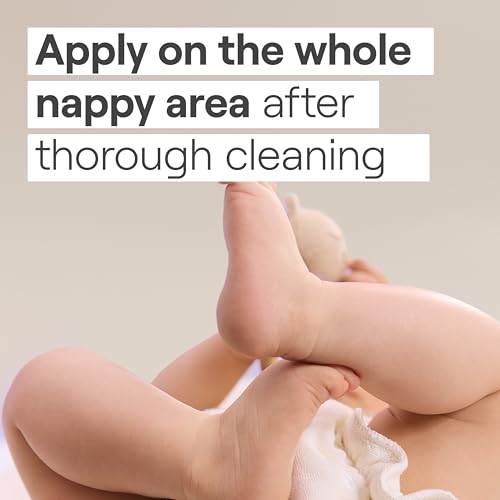
Apply a generous layer of diaper cream with each diaper change, especially if your baby has sensitive skin or is prone to rash. Even when there’s no visible redness, a thin layer maintains that protective barrier.
What should I do if a diaper cream seems to worsen the rash?
Discontinue use immediately. It’s possible your baby is reacting to an ingredient, even in a product marketed for sensitivity. Consider researching what is diaper cream and its ingredients or consulting with your pediatrician for alternative recommendations.
The Bottom Line
Choosing a diaper cream often comes down to balancing how much control you want over ingredients with how much fuss you’re willing to deal with during application. After reviewing numerous products and parent feedback, I believe CeraVe Diaper Rash Cream strikes the best overall balance – its ceramide-rich formula is excellent for barrier repair, and it’s consistently praised for being gentle and easy to spread.
For parents prioritizing a budget-friendly option, Honest Company Diaper Rash Cream delivers a fragrance-free formula with plant-derived ingredients. If you’re looking for a cream specifically for very new skin, you might want to consider a safe cream for newborns. And for those dealing with particularly stubborn or inflamed skin, Triple Paste Diaper Rash Cream provides a higher concentration of zinc oxide and soothing oat extract, though it may require a bit more effort to apply using the proper application technique.
Ultimately, the “best” diaper cream is the one that works for your baby. Don’t get too caught up in percentages or fancy ingredients. Focus on a short, clean ingredient list, a texture that suits your preference, and, most importantly, consistent protection against moisture – that’s the foundation of healthy skin and a happy baby.
