
8 Best Non Toxic Changing Pads of 2026
This post contains affiliate links. As an Amazon Associate, we learn from qualifying purchases
The Keekaroo Peanut Changer Baby Vanilla is our top pick for its durable, easy-to-clean surface and excellent safety features, while the Organic Cotton Covered Contoured Changing Pad stands out for parents prioritizing natural materials. For budget-conscious families, the Graco Premium Contoured Baby Changing Pad delivers reliable performance and safety certifications at a lower price.
As a parent, I know how hard it is to sift through endless options when you just want something safe and practical for your baby’s daily care. With so many claims about being “non-toxic,” it’s tough to know which changing pads truly deliver on safety, durability, and ease of use.
This guide cuts through the noise by focusing on what matters: verified material certifications, real parent feedback, and practical design. I compared top models based on safety standards, cleanability, and long-term value so you can feel confident in your choice.
Top 8 Non Toxic Changing Pads in the Market
The Best Non Toxic Changing Pads, Reviewed
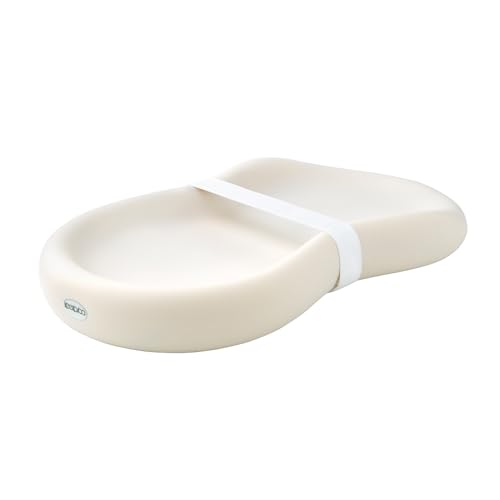
Keekaroo Peanut Changer Baby Vanilla
Strengths
- Fully water-repellent
- Wipeable surface
- Made in USA
Trade-offs
- Very high price
- No storage pockets
This is the gold standard of changing pads, and the price reflects that. The proprietary shell-over-foam construction is unique, completely water-repellent, not just water-resistant, so messes bead up and wipe away effortlessly. No stains, no lingering odors, no need for liners. It’s JPMA certified, made in the USA, and built to last through multiple children.
It’s not cheap, but owners consistently say it’s worth every penny. Compared to the Mallify or Graco, it’s in a different league in terms of durability and ease of cleaning. If you want one pad that will last for years with zero maintenance, this is it. The vanilla color hides stains better than white, and it blends well in most nurseries.
Video review
Organic Cotton Covered Contoured Changing Pad

Strengths
- Organic cotton cover
- Removable and washable
- CertiPUR-US foam
Trade-offs
- Takes time to expand
- Higher price point
If you’re prioritizing natural materials and want to avoid synthetics, this pad stands out for its organic cotton cover and CertiPUR-US foam core. Owners consistently report the removable cover is a standout for keeping things fresh, and the ability to toss it in the wash is a real time-saver compared to wiping down vinyl. The contoured edges are a thoughtful touch, offering a bit more security than flat pads, though I wouldn’t rely on them alone, always use the safety strap.
The vacuum-sealed delivery means it takes a day or two to fully expand, which some parents find annoying, but reviewers say the final thickness is worth the wait. It’s a solid choice if you’re building a non-toxic nursery and want something that feels more like a mini mattress than a plastic topper. Compared to the Graco, it’s pricier but far superior in material quality.
Video review
Graco Premium Contoured Baby Changing Pad

Strengths
- GREENGUARD Gold certified
- Affordable price
- Non-skid bottom
Trade-offs
- No removable cover
- Basic materials
At this price, the Graco delivers more than you’d expect. It’s GREENGUARD Gold certified, which means it’s been rigorously tested for harmful emissions, a big plus for indoor air quality. The contoured design and non-skid bottom are standard, but effective. It’s not as plush as higher-end models, but it gets the job done without frills.
Owners note it wipes clean easily and holds up well over time, though the cover isn’t removable. Compared to the Mallify pad, it’s a better value if you’re on a budget, even if it lacks some premium touches. For a first-time parent setting up a nursery without overspending, this is a smart, no-fuss choice.
Product photos


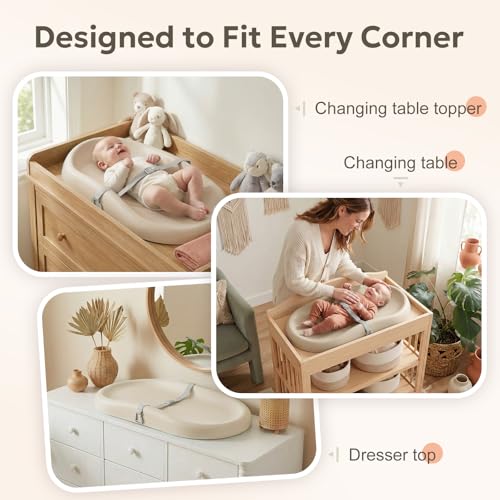
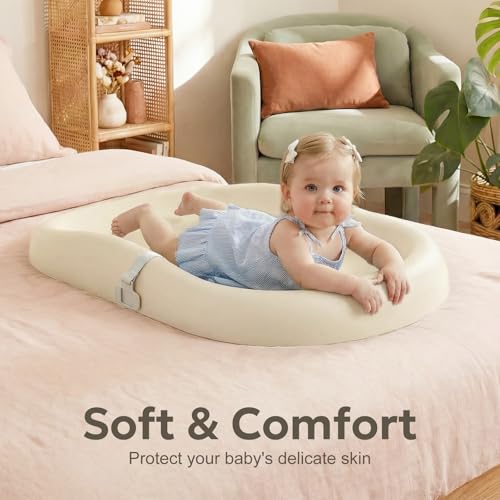
Mallify Baby Changing Pad with Safety Belt

Strengths
- Wipeable waterproof surface
- Non-slip base
- Raised edges
Trade-offs
- No storage pockets
- No removable cover
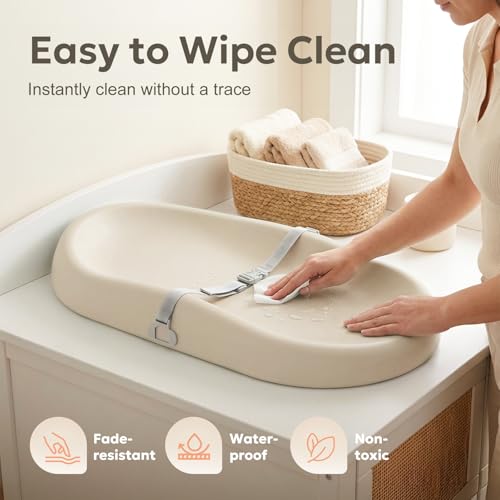
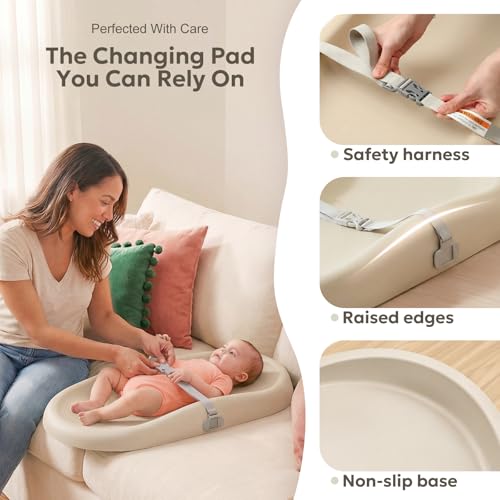
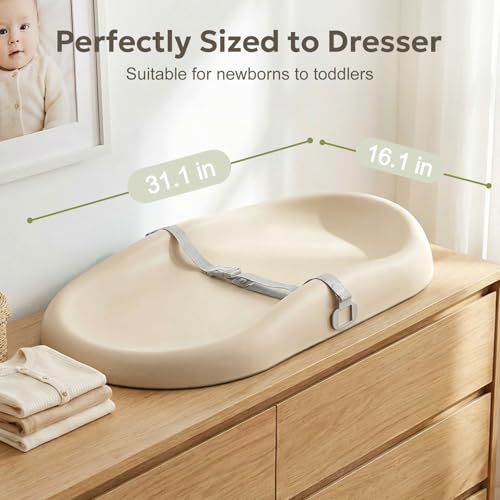
This pad hits a sweet spot between durability and ease of use. The wipeable waterproof surface is exactly what busy parents need, no laundry, just a quick wipe, and it’s ready for the next change. The non-toxic claim is backed by owner feedback noting no chemical smell, which is a big win in this category. It’s thicker than average, so babies don’t feel like they’re lying on a thin pad, and the raised edges do a decent job of containing messes.
It’s not as premium as the Keekaroo, but it’s significantly cheaper and still delivers on core functionality. Compared to the JVEOO, it lacks storage pockets but feels slightly more durable. For most families, this is the easy pick for a daily-use changing pad that won’t break the bank or the planet.
Product photos
JVEOO Vegan Leather Changing Pad with Pockets

Strengths
- Built-in storage pocket
- Wipeable vegan leather
- Contoured sides
Trade-offs
- Vegan leather may wrinkle
- No removable cover
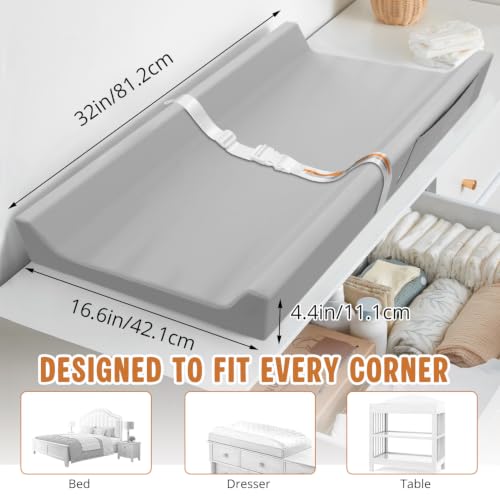
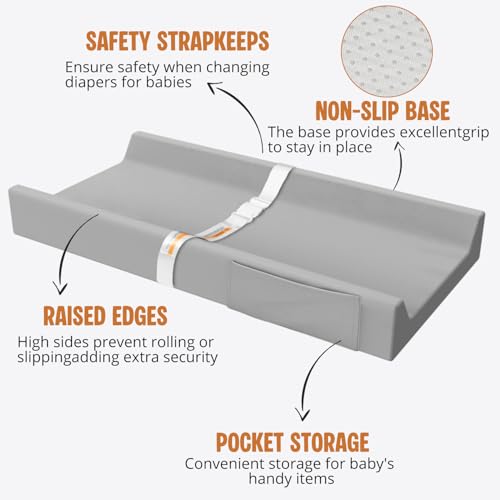
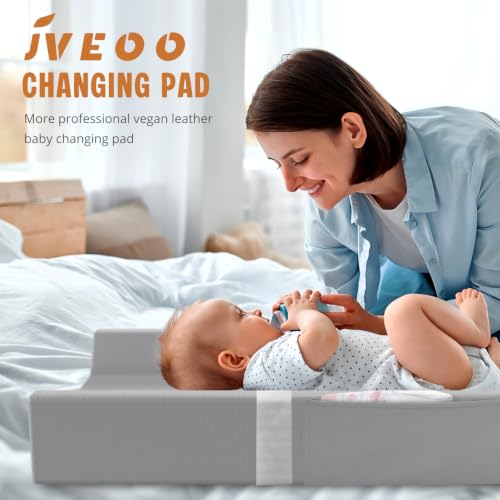
The side storage pocket is the standout feature here, finally, a place to keep diapers, wipes, and lotions within arm’s reach. The vegan leather is easy to wipe clean and holds up well to daily use, though some owners note it can develop wrinkles initially from vacuum packaging. The foam is supportive, and the contoured sides add a sense of security.
It’s not as eco-friendly as organic cotton options, but it’s a practical workhorse. Compared to the Mallify pad, it offers more utility with the pocket, though the material feels slightly less premium. If you’re tired of reaching for supplies mid-change, this pad solves that problem neatly.
Product photos


Tiny Twinkle Portable Diaper Changing Pad

Strengths
- Compact and foldable
- Built-in wipes pocket
- OEKO-TEX certified
Trade-offs
- Not for full-time use
- Smaller than standard pads
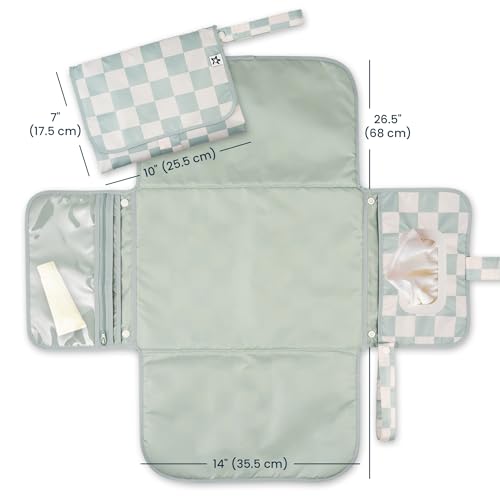
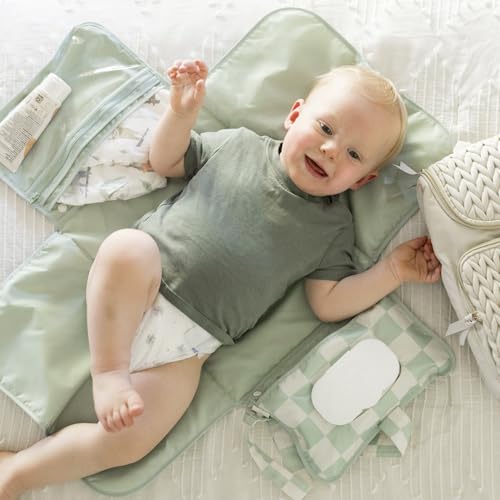
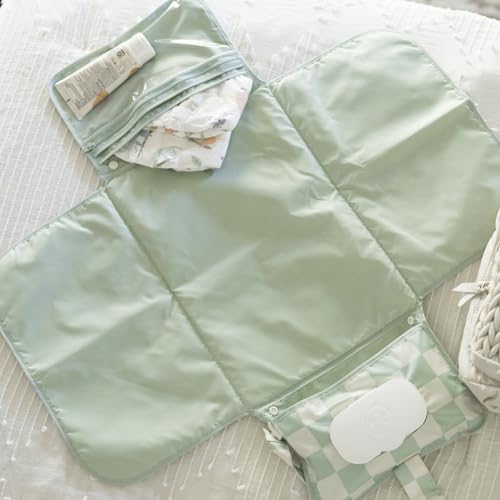
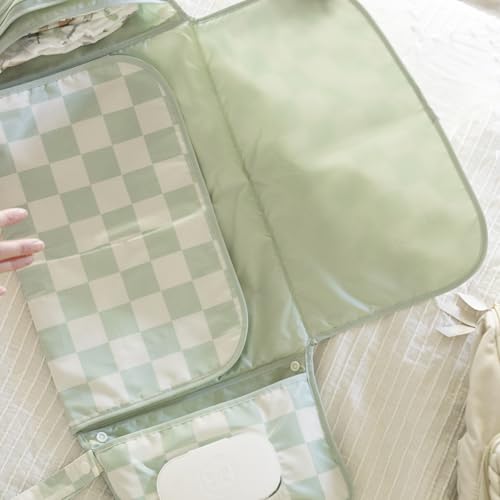
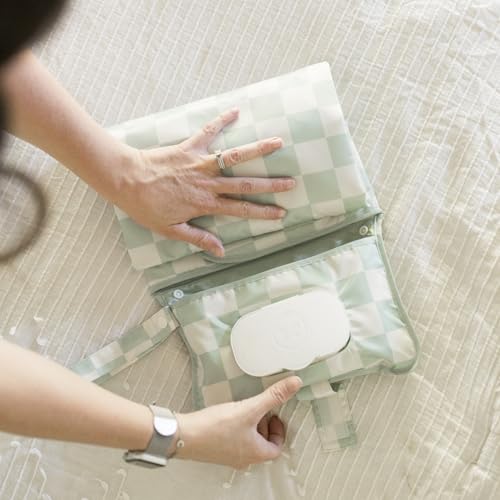
This is the only travel pad that truly gets the job done without bulk. The built-in wipes pocket is a small feature that makes a huge difference, no more fumbling for wipes while your baby wriggles. It folds down to a tiny 7×10 inches, clips easily to a stroller, and the OEKO-TEX certification means you’re not exposing your baby to harmful chemicals on the go. Owners love how quickly it wipes clean, even after messy blowouts.
It’s not meant to replace a full-size pad at home, but for travel, it outperforms others in its class. Compared to disposable liners, it’s reusable and more eco-friendly over time. If you’re always on the move, this should be in your diaper bag.
Product photos
Organic Cotton Disposable Changing Pad Liners

Strengths
- Organic cotton fiber
- Hypoallergenic
- Compact storage
Trade-offs
- Less durable than competitors
- Higher price per unit
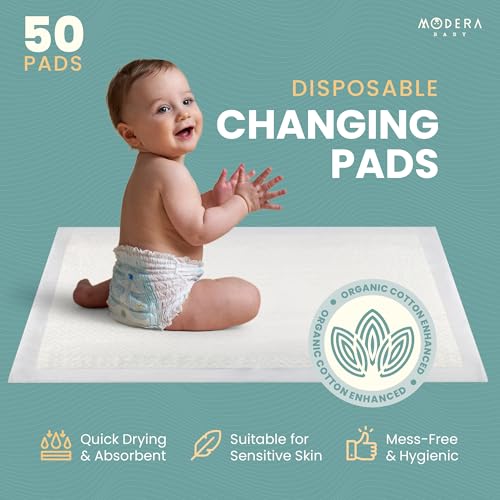
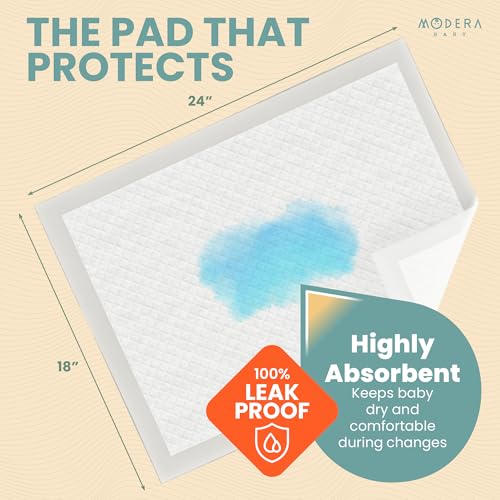
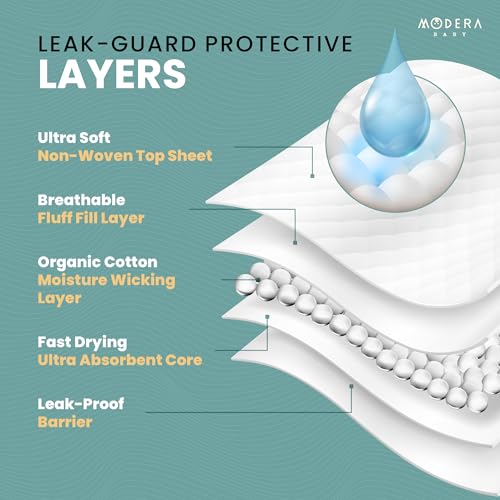
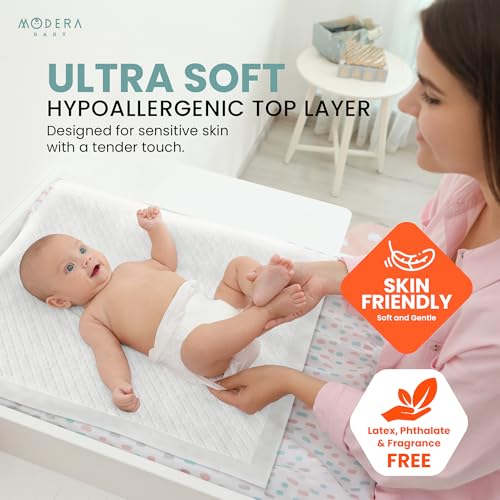
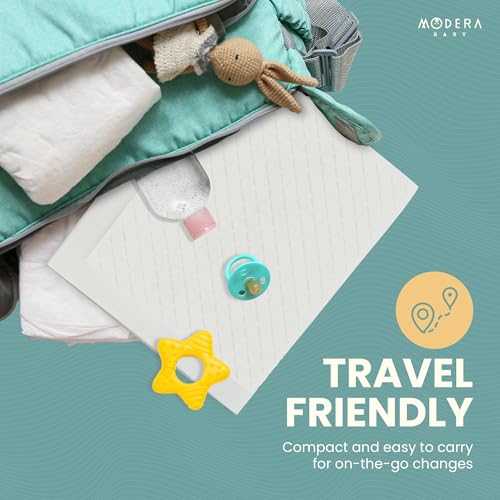
These liners are the eco-conscious alternative to standard disposables. The organic cotton fiber adds softness and absorbency, and the quilted texture feels more premium than plain plastic-backed pads. They’re hypoallergenic and free of harsh chemicals, which parents with sensitive babies appreciate. The 18 x 24 inch size is generous, and they fold small for travel.
But they’re not as durable as the Peekapoo liners, some owners report they can tear more easily during a messy change. If you’re willing to trade a bit of performance for greener materials, these are a solid choice. For a baby shower gift, they strike a nice balance between practicality and thoughtfulness.
Product photos
Peekapoo Original Disposable Changing Pad Liners

Strengths
- Thick, multi-layer design
- Fits standard tables
- No harsh chemicals
Trade-offs
- Not reusable
- Adds to waste
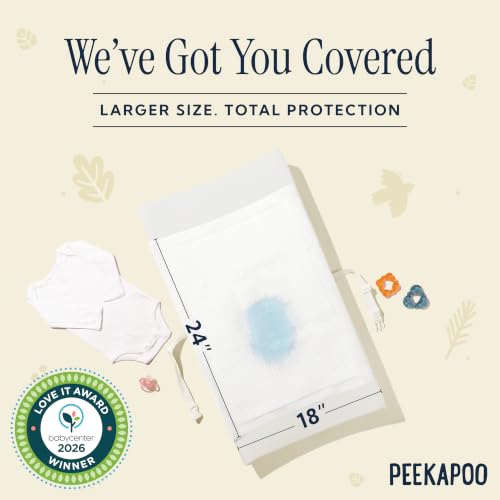
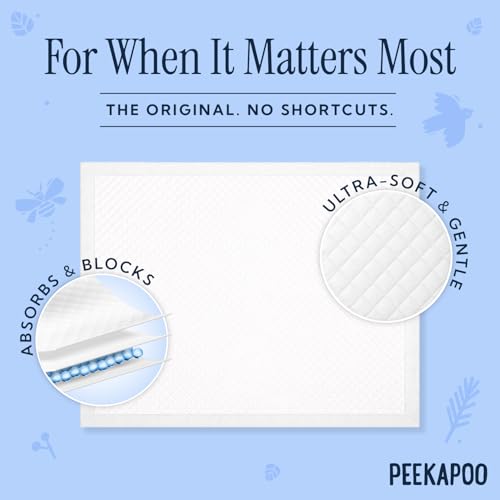
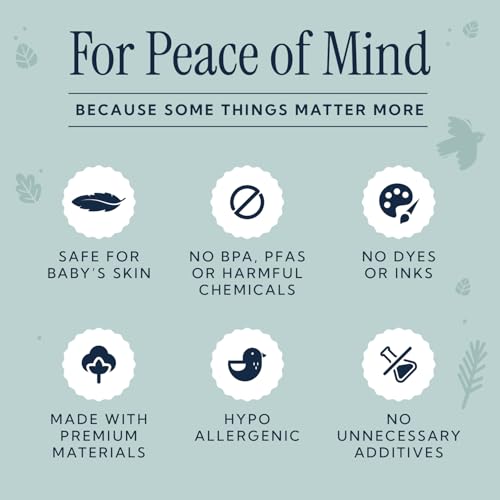
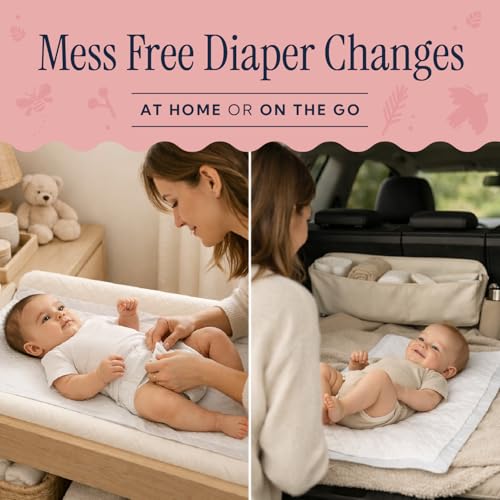
If you’re tired of cleaning reusable pads, these disposable liners are a revelation. The 5-ply construction is thick enough to feel secure, and the waterproof backing actually works, no seepage through to the table. Parents consistently praise how quickly they clean up after a change: just toss and go. The lack of fragrance and dyes is a big win for sensitive skin, and the 24 x 18 inch size covers most changing tables with room to spare.
They’re not eco-friendly, but they’re convenient. Compared to the Organic Cotton Disposable liners, these are more durable and better at containing messes. If you’re at home or on the go and want zero cleanup, these are the best disposable option.
Product photos
How We Picked These non toxic changing pads
As a parent and the creator of NurseryDreamer.com, I know how crucial it is to find safe and reliable products for your little one. Rather than a hands-on lab test, this research-led comparison focused on thoroughly examining published specifications and features of numerous changing pads. I weighed owner reviews from a variety of retailers, alongside expert opinions from parenting publications, to build a thorough picture of real-world performance. Ultimately, each pad was ranked against criteria important to parents: safety, ease of cleaning, and material quality.
For non-toxic changing pads, the most heavily weighted factors were material certifications (like OEKO-TEX or GREENGUARD Gold) and owner reports on ease of cleaning. A pad’s ability to truly repel liquids and minimize bacteria build-up is paramount. Beyond safety, I also prioritized pads offering practical features like portability and convenient storage, recognizing the needs of parents on the go. Choosing between a reusable versus disposable option also factored heavily into the rankings.
Product specifications reliably tell you about dimensions, materials used, and certifications obtained. However, owner feedback provided crucial insights into the long-term durability of waterproof coatings, the accuracy of “wipeable” claims, and the true softness of materials. Reputation also played a role; brands consistently praised for quality and customer service received higher consideration, especially when looking at options like convenient portable changing pads. I also considered related essentials; many parents also prioritize finding chemical-free baby wipes to pair with their changing pad.
How To Pick The Right non toxic changing pads
Finding the right changing pad is about more than just a soft surface; it’s about hygiene, safety, and convenience for both baby and caregiver. It’s a piece of baby gear you’ll use a lot, so getting it right matters.
A good changing pad prioritizes a waterproof, easy-to-clean surface to prevent bacterial growth. Safety features like safety straps and non-slip backing are crucial, as is the overall material composition, considering potential sensitivities and long-term durability. Look for certifications like JPMA to verify adherence to safety standards and chemical testing.
Material Matters Most
The material of a changing pad is the first thing I advise parents to consider. While padded vinyl was once standard, there’s a growing demand for more natural options. Organic cotton covered pads are lovely, offering softness and breathability, but they often require more frequent washing or the use of disposable liners. Conversely, wipeable surfaces like those found in the Keekaroo Peanut Changer are incredibly convenient. However, some parents worry about the feel of these materials and potential off-gassing, so checking for certifications and reading reviews is key. Ultimately, the best material depends on your lifestyle and priorities. If you’re seeking truly gentle options, explore safe diapers to complement your changing pad choice.
Safety Features Are Paramount
Don’t underestimate the importance of safety features. A contoured design with raised sides can help prevent baby from rolling off, but it’s not a substitute for constant supervision. Beyond that, a secure fastening system is vital. Many pads come with safety straps to secure the baby, while others rely on adhesive strips to stay put on the changing table.
Here’s what to look for:
- A simple strap: A basic safety strap is better than none.
- Non-skid base: This prevents the pad from sliding around during changes.
- Contoured sides & a secure strap: This combination provides the best protection against rolling, especially as baby becomes more mobile.
Always, always use the safety strap, even for a quick diaper change. It only takes a second for a baby to wiggle free.
Balancing Convenience and Cost
Let’s be realistic: you’ll be changing a lot of diapers. That’s where convenience comes into play. Disposable changing pad liners, like those from Peekapoo, offer a quick and hygienic solution for on-the-go changes or added protection at home. If you prefer a reusable pad, consider how easy it is to clean. Some materials require more effort than others. If you’re on a budget, the Graco Premium Contoured Baby Changing Pad provides a solid, certified option without breaking the bank. However, if you prioritize easy cleanup, exploring easy-clean pads might be a worthwhile investment.
Non Toxic Changing Pads Compared
Here is a comparison of key specifications for various non-toxic changing pads.
| Product Name | Material | Waterproof | Safety Straps | Dimensions (LxW in) | Storage Features |
|---|---|---|---|---|---|
| Keekaroo Peanut Changer Baby Vanilla | Proprietary Foam/Shell | Yes | N/A | N/A | N/A |
| Organic Cotton Covered Contoured Changing Pad | Organic Cotton/Foam | Yes | Yes | 31.25 x 16 | N/A |
| Graco Premium Contoured Baby Changing Pad | Water-Resistant Fabric | Yes | Yes | 32 x 16 | N/A |
| Mallify Baby Changing Pad with Safety Belt | PU Leather | Yes | Yes | 32 x 16.6 | Side Pocket |
| JVEOO Vegan Leather Changing Pad with Pockets | PU Leather | Yes | Yes | 32 x 16.6 x 4.4 | Side Pocket |
| Tiny Twinkle Portable Diaper Changing Pad | OEKO-TEX Fabric | Yes | N/A | N/A | Wipes Pocket |
| Organic Cotton Disposable Changing Pad Liners | Organic Cotton | Yes | N/A | 18 x 24 | N/A |
| Peekapoo Original Disposable Changing Pad Liners | Nonwoven/PE | Yes | N/A | 24 x 18 | N/A |
Frequently Asked Questions
What certifications should I look for when choosing a non-toxic changing pad?
OEKO-TEX Standard 100 and GREENGUARD Gold certifications are the most reliable indicators of a changing pad’s non-toxic composition. These certifications verify that the materials have been tested for harmful substances and meet strict emission standards, offering peace of mind about your baby’s safety.
Are disposable changing pad liners a truly eco-friendly option?
While convenient, disposable liners aren’t the most environmentally sound choice. However, some brands, like those made with organic cotton, offer a more sustainable alternative to traditional polyethylene liners, and can be paired with reusable changing pads for a hybrid approach.
How often should I clean or disinfect my changing pad?
You should clean your changing pad after every use, even if there aren’t visible messes. A quick wipe-down with a baby-safe, non-toxic cleaner is usually sufficient for waterproof pads. For fabric pads, regular washing is essential to prevent bacterial growth.
Can I use a changing pad on a dresser without a safety strap?
No, never use a changing pad directly on a dresser without securing it with the included safety strap. Dressers are not designed to withstand a baby’s movements, and a slipping pad poses a significant fall risk. Take time to properly organize a changing table to ensure a secure setup.
What’s the difference between water-resistant and waterproof changing pads?
Water-resistant pads repel small amounts of liquid, but can eventually become saturated. Waterproof pads, on the other hand, create a complete barrier against liquids, making them much easier to clean and more hygienic, especially for frequent messes.
The Bottom Line
Choosing a non-toxic changing pad really comes down to balancing what you’re willing to fuss with versus how much convenience you require. While many excellent options exist, the Keekaroo Peanut Changer stands out as the strongest overall pick. Its wipeable surface and lack of required liners make it incredibly easy to keep clean, which is a huge benefit during those frequent changes.
For parents specifically seeking a budget-friendly choice, the Graco Premium Contoured Baby Changing Pad offers certified safety and a reliable waterproof layer at a reasonable price. If portability is your main concern, the Tiny Twinkle Portable Diaper Changing Pad is a great option, and pairing it with disposable liners like Peekapoo Original Disposable Changing Pad Liners makes on-the-go changes even simpler. Don’t forget to also consider a natural diaper rash cream for complete protection.
Ultimately, the perfect changing pad isn’t about a specific material or feature; it’s about finding a surface that’s safe, easy to maintain, and fits your lifestyle. Prioritize a waterproof surface, a secure strap, and a non-slip base above all else. And remember, consistent cleaning – whether it’s wiping down a Keekaroo or washing a cotton cover – is key to maintaining a hygienic changing space, and learning how to clean a Keekaroo pad is a good habit to start.
