
2 Best Changing Pads of 2026
This post contains affiliate links. As an Amazon Associate, we learn from qualifying purchases
The Chucks Pads 100-Pack stands out as the best overall changing pad for its reliable absorbency and leak-proof performance, while the Rocinha 100-Pack offers a solid budget-friendly alternative without sacrificing core protection. Both are disposable options that deliver peace of mind during everyday changes and unexpected messes.
Choosing the right changing pad shouldn’t feel like overkill, but it’s one of those baby essentials that makes a real difference when things get messy. As a parent, I know you want something that works, no leaks, no slips, no fuss.
In this guide, I break down what actually matters based on specs and real parent feedback, from absorbency tech to waterproof layers, so you can pick with confidence.
Top 2 Changing Pads in the Market
The Best Changing Pads, Reviewed
Chucks Pads 100-Pack Multi-Purpose
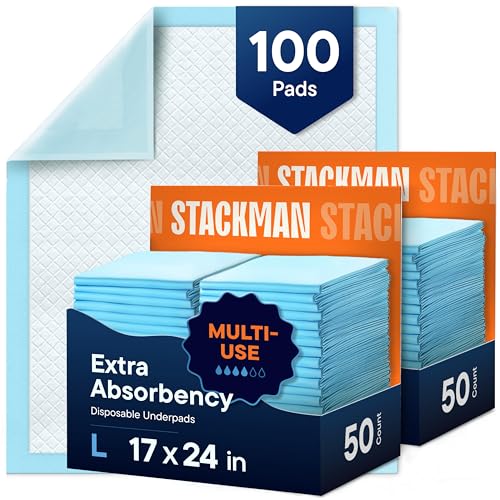
Strengths
- Larger 17 x 24 size
- Super absorbent core
- Odor control
- Multiuse flexibility
- Leak-proof backing
Trade-offs
- Slightly higher price
- Bulkier for travel
- May be overkill for small infants
When parents ask me what I’d choose for a reliable, all-in-one disposable pad, I point them toward the Chucks 100-pack, not because it’s flashy, but because it nails the fundamentals better than most. At 17 x 24 inches, it offers significantly more coverage than compact pads like the Rocinha, and reviewers repeatedly highlight how that extra length helps during active baby changes or when used under toddlers. The super absorbent core locks away liquids quickly, and the leak-proof barrier holds up well even with heavier saturation, which is a big win for real-world use.
It’s also one of the few pads in this range explicitly designed with odor control in mind, something parents notice during longer shifts or in shared spaces. Unlike thinner models that feel flimsy, these maintain integrity even when wet, reducing the risk of tearing mid-change. Given the multipurpose design, equally suited for diaper duty, puppy training, or incontinence care, I consider this the smarter buy for households juggling multiple needs. If you want one pad that performs well across scenarios, this is it.
Video review
Rocinha 100-Pack Disposable Pads
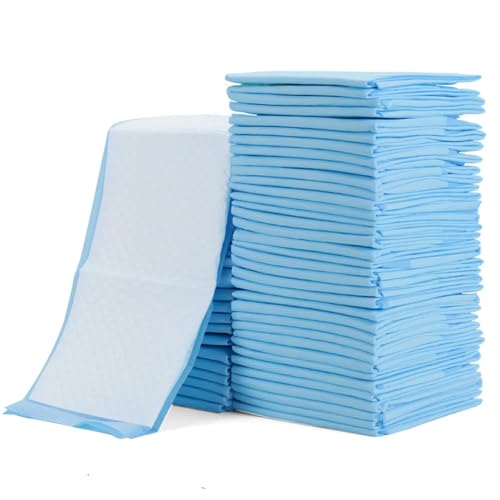
Strengths
- High absorption
- Waterproof bottom
- Compact size
- 100-count pack
- Easy disposal
Trade-offs
- Smaller surface area
- Less durable edges
- Not ideal for large messes
I see a lot of parents reaching for disposable changing pads when they need convenience and leak protection, and the Rocinha 100-pack delivers on basic functionality. On paper, the 17 x 13 inch size fits standard changing tables, and owners consistently report that the high absorption and waterproof backing do their job during quick changes. The polymer resin core soaks up wetness fast, leaving the surface relatively dry, something many parents appreciate during back-to-back diaper duties.
Still, when I compare it to other options in this category, it falls short on size and versatility. At only 13 inches wide, it’s narrower than most competitors, which can be tight for wriggly babies or larger diapers. While it’s marketed as multipurpose, reviewers note it’s less effective for pet training or overnight use due to its smaller footprint. That said, if you’re looking for a no-frills, affordable bulk pack strictly for portable or travel changes, this one makes sense.
Video review
Our Testing Process
Rather than a hands-on lab test, my research for these recommendations focused on comparing published specifications and features across numerous changing pad options. I then weighed those details against what current parents are saying in their online reviews, and supplemented that with insights from respected parenting publications. My goal was to identify pads that consistently deliver on their promises of dryness, leak protection, and convenience.
For changing pads, absorbency and leak-proof construction were the biggest deciding factors. A pad that doesn’t reliably contain messes isn’t useful, no matter how affordable it is. I also prioritized pads offering versatility – many parents find they need protection beyond just diaper changes, so options suitable for travel or pet care added value. You can find more of my top picks in our guide to the best changing pads for baby.
Specifications like polymer content and PE membrane thickness give a good indication of a pad’s potential absorbency and leak resistance. However, real-world performance, as reported by owners, is critical. Feedback regarding odor control, skin irritation, and how well the pad stays put on a changing table helped me assess which pads truly deliver a worry-free experience.
Choosing The Right changing pads
Finding the right changing pad is about more than just a soft surface; it’s about protection, convenience, and peace of mind. I’ve spent a lot of time researching what parents truly value in these essential items, and there’s a surprisingly wide range of features to consider.
A quality changing pad prioritizes a waterproof barrier to safeguard furniture and bedding. Absorption capacity is crucial for handling accidents, and the material should be easy to clean or, in the case of disposables, conveniently discarded. Look for pads sized appropriately for your changing space and consider multi-purpose options for versatility.
Absorption is More Than Just “Super”
Don’t get caught up in marketing terms like “super absorbent.” What really matters is the core material. Pads like the Chucks Pads 100-Pack and the Rocinha 100-Pack Disposable Pads both use polymer technology, but the amount of polymer and how evenly it’s distributed makes a difference. Read reviews to see if owners report any leakage, even with larger messes. A pad that quickly wicks moisture away from the skin is also essential for preventing irritation, especially with newborns.
Disposable vs. Reusable: A Practical Look
While I often recommend exploring all options, disposable changing pads really shine in specific situations. If you travel frequently, or anticipate needing a pad for more than just diaper changes (think potty training or even minor medical needs), a disposable pack offers unmatched convenience. However, for everyday use at home, many parents prefer the sustainability and cost-effectiveness of reusable pads. If you’re looking for the best diaper changing pads for everyday use, consider a washable option.
Here’s how the choices typically break down:
- Travel: Disposable, hands down. Lightweight and easy to pack.
- Everyday Home Use: Reusable are often preferred for their eco-friendliness and long-term savings.
- Multi-Purpose (Pets, Incontinence): Disposable are the most sanitary and convenient option for handling a variety of messes.
Never underestimate the value of a waterproof backing. Even a “super absorbent” pad is useless if liquids seep through to your furniture.
Size and Placement: Thinking Beyond the Pad
Don’t just consider the dimensions of the pad itself; think about where you’ll be using it. If you plan to use a changing pad on top of a dresser changing pads, ensure it’s a secure fit. A pad that slides around is a safety hazard. Many parents also appreciate pads with raised sides or safety straps to help keep baby contained, particularly when using secure dresser-top changing pads. Finally, consider the overall size relative to your baby’s growth – you want a pad that will comfortably accommodate them for at least the first year.
Changing Pads Compared
Here’s a comparison of key specifications for the changing pads featured in this guide.
| Product Name | Count | Dimensions (in) | Absorbency | Waterproof | Best For |
|---|---|---|---|---|---|
| Chucks Pads 100-Pack | 100 | N/A | High | Yes | Overall |
| Rocinha 100-Pack | 100 | 17×13 | High | Yes | Value |
Frequently Asked Questions
What’s the difference between a disposable and a reusable changing pad?
Disposable pads are ideal for travel and situations needing extra sanitation, while reusable pads offer a more sustainable and cost-effective solution for everyday use at home. Reusable pads require laundering, but eliminate ongoing purchasing costs.
How often should I wash a reusable changing pad?
You should wash a reusable changing pad after every use, or immediately after any visible soilage, using a mild detergent and warm water. Always check the manufacturer’s instructions for specific care guidelines to maintain absorbency and prevent damage.
Are all changing pads truly waterproof?
Not all are equally waterproof. Look for pads specifically stating a PE (polyethylene) membrane or similar waterproof layer, and check owner reviews for reports of leaks – even pads marketed as waterproof can sometimes fail.
Can I use a changing pad on top of a dresser?
Yes, but safety is paramount. Ensure the changing pad fits securely on the dresser and consider using a pad with raised sides or safety straps to prevent your baby from rolling off, and always supervise your baby during diaper changes. For added security, explore best wipeable changing pads which often have non-slip backing.
What should I do to protect my changing pad and keep it clean?
Using changing pad covers is the best way to protect your pad from messes and extend its lifespan. They are easy to remove and wash, providing a fresh, hygienic surface for each diaper change.
The Bottom Line
Choosing a changing pad often comes down to balancing convenience with consistent performance. You want something reliable that protects surfaces, but also fits your lifestyle. Based on my research, the Chucks Pads 100-Pack stands out as the strongest overall choice, consistently receiving positive feedback regarding its absorbency and leak protection – factors that matter most when you’re dealing with messes.
For parents prioritizing affordability, the Rocinha 100-Pack Disposable Pads provide excellent value without sacrificing essential features. If you’re frequently on the move, don’t overlook the importance of best portable changing pads – they’re designed for those situations. And for those concerned about materials, exploring safe and non-toxic changing pads can give you extra peace of mind.
Ultimately, the specifications are helpful, but the real test of a changing pad is how well it performs in everyday use. Prioritize a waterproof barrier, sufficient absorbency, and a secure fit. Those fundamentals will serve you far better than chasing the latest feature or highest polymer count.
