
7 Best Cloth Diapers for Babies 2026
This post contains affiliate links. As an Amazon Associate, we learn from qualifying purchases
The Mama Koala 3.0 Pocket Cloth Diapers stand out as the best overall for their reliable leak protection and adjustable fit, while the Fasoar 6-Ply Cotton Cloth Diapers are a top budget-friendly choice that delivers strong absorbency with natural materials. For those seeking versatility, the babygoal Reusable Cloth Diapers offer a solid balance of performance and value across a wide size range.
Choosing cloth diapers shouldn’t mean guessing what works or wading through hype. As a parent who’s researched hundreds of diapers and read thousands of real parent reviews, I know how frustrating it can be to find options that actually hold up to daily use, fit well, and keep your baby comfortable. This guide cuts through the noise, focusing on what matters most: absorbency, fit, durability, and ease of use, based on specs, parent feedback, and years of evaluating baby gear.
Top 7 Cloth Diapers For Babies in the Market
The Best Cloth Diapers For Babies, Reviewed
Mama Koala 3.0 Pocket Cloth Diapers

Strengths
- Extended size range
- Superior moisture wicking
- Durable stitching
Trade-offs
- Slightly longer drying time
- Higher upfront cost
- Inserts may shift slightly
If I had to recommend one pocket diaper for most families, it would be the Mama Koala 3.0. It hits the sweet spot between performance, comfort, and longevity. The adjustable rise goes up to 40 lbs, that’s rare in this category, and owners confirm these last through multiple stages, even with twins or back-to-back kids. The athletic wicking jersey (AWJ) lining is a standout: it pulls moisture away fast, reducing rash risks, and feels cooler than standard suede.
Leak protection is strong thanks to crossover snaps and snug leg elastics, and the large back opening makes stuffing inserts a breeze. Compared to the wegreeco model, this one offers better breathability and more reliable nighttime coverage. My recommendation? Go for this if you want one diaper to carry you from day one to potty training.
Video review
Fasoar 6-Ply Cotton Cloth Diapers

Strengths
- Pure cotton construction
- Excellent for sensitive skin
- Extremely durable
Trade-offs
- Requires cover and folding
- Bulkier fit
- Takes longer to dry
When it comes to sensitive skin, few options match the purity of Fasoar’s 100% cotton prefolds. These aren’t pocket diapers, they’re thick, tightly woven gauze rectangles designed to be folded and used with a cover, but that simplicity is their strength. With zero synthetics or chemicals, they’re a top choice for babies prone to rashes or allergies. The 6-ply center provides serious absorbency, and owners say they hold up remarkably well after dozens of washes.
They’re also impressively versatile: many parents keep using them as burp cloths or cleaning rags long after diaper duty ends. While they demand more setup than adjustable pockets, their hypoallergenic nature makes them worth the extra step. Compared to Gerber’s 3-ply, these are heavier and more absorbent, better for nighttime or heavy wetters.
Video review
babygoal Reusable Cloth Diapers 6 Pack

Strengths
- Includes two insert types
- Good leak resistance
- Balanced softness and function
Trade-offs
- Bamboo inserts take longer to dry
- Microfiber can feel less breathable
- Elastics may degrade over time
What sets the babygoal pack apart is the hybrid insert strategy, you get both microfiber and bamboo-rayon inserts, giving you flexibility in absorbency and drying time. The bamboo ones are softer and more natural-feeling, while the microfiber dries faster. This mix lets parents tailor each change to the situation, whether it’s a long nap or a quick outing.
The TPU outer shell is fully waterproof and holds up well to washing, and the adjustable snaps work reliably across sizes. Some owners note the leg elastics loosen slightly over time, but overall durability is strong for the price. Compared to the wegreeco model, this offers better value due to the added inserts and material variety.
Product photos


wegreeco Cloth Diapers 6 Pack

Strengths
- Full starter bundle
- Cute, modern prints
- Lightweight design
Trade-offs
- Average leak protection
- Inserts lack stay-dry feel
- Shells take time to dry
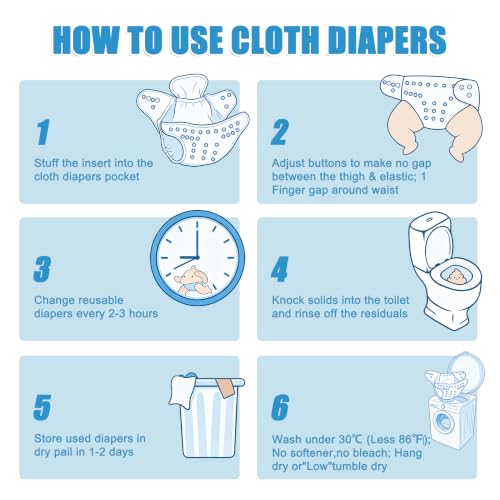
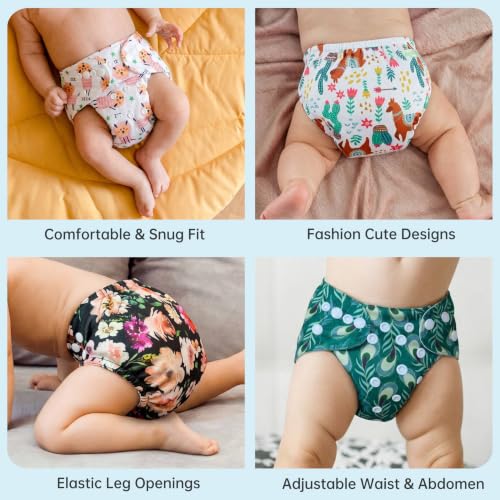
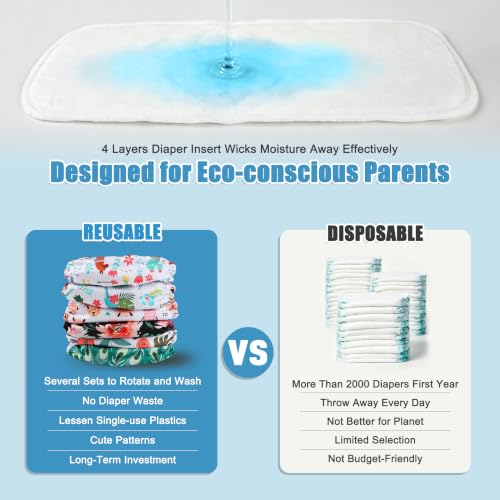
This floral version of the wegreeco diaper is functionally identical to the green variant, same adjustable snaps, PUL shell, and 4-layer inserts, but some parents prefer the gender-neutral print. It’s still one of the most affordable all-in-one kits available, and the package includes everything you need to start: diapers, inserts, and a wet bag. Given the low barrier to entry, it’s no surprise so many first-time cloth diaperers begin here.
It won’t outperform premium models in wetness retention, especially overnight, but for daytime use and moderate wetters, it holds its own. I’d recommend this over the Gerber prefolds if you want less hassle, but choose Mama Koala instead if you’re planning long-term use.
Product photos


wegreeco Cloth Diapers Green 6 Pack

Strengths
- Complete starter kit
- Adjustable sizing
- Soft PUL exterior
Trade-offs
- Inserts may compress under heavy use
- Limited absorbency for overnight
- Some prints show wear after washes
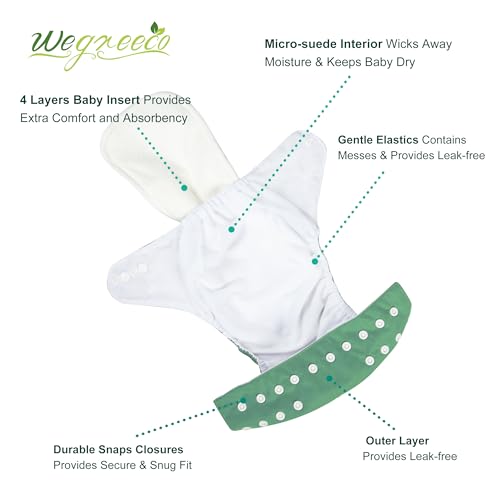
This wegreeco pack delivers a solid entry point into cloth diapering without asking parents to piece things together. The inclusion of 6 inserts and a wet bag means you’re getting a functional starter kit right out of the box, which many new users appreciate. On paper, the adjustable snaps from 8–33 lbs make it viable across infancy and into toddlerhood, and owners consistently report that the sizing holds up well through those phases.
The PUL exterior is soft and breathable for this price range, and the double leg gussets do their job in preventing leaks, reviewers note fewer blowouts than expected for a budget-friendly pocket diaper. I’d pick this over basic prefolds if you want convenience and a modern look, though heavy wetters may need extra insert layers at night.
Product photos



Gerber Birdseye 3-Ply Prefold Diapers

Strengths
- 100% cotton
- Highly durable
- Multi-use beyond diapering
Trade-offs
- Requires separate cover
- Not adjustable
- Manual folding needed
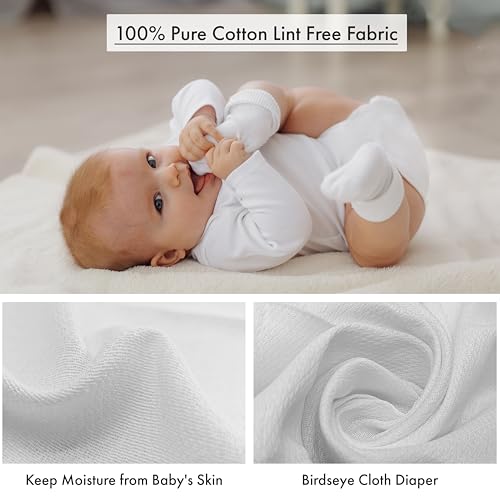
These Gerber prefolds are about as no-frills as cloth diapers get, and that’s exactly why they’ve stayed popular. Made from 100% cotton birdseye weave, they’re breathable, simple, and gentle on sensitive skin. They don’t have any fancy waterproof covers or snaps, but that’s not the point. What you’re paying for is a reliable, chemical-free base layer that can be folded and used under a separate cover or as a liner.
Owners love how durable these are through repeated washing, and many continue using them long after diapering ends, as burp cloths, cleaning rags, or travel towels. Compared to pricier organic brands, these offer similar performance at a fraction of the cost. If you’re dipping your toes into cloth without commitment, this is the smarter buy.
Product photos

Ruvanti 100% Cotton Flatfold Diapers

Strengths
- Large, customizable size
- OEKO-TEX certified
- High reuse potential
Trade-offs
- No built-in closure
- Must pair with cover
- Not convenient for on-the-go
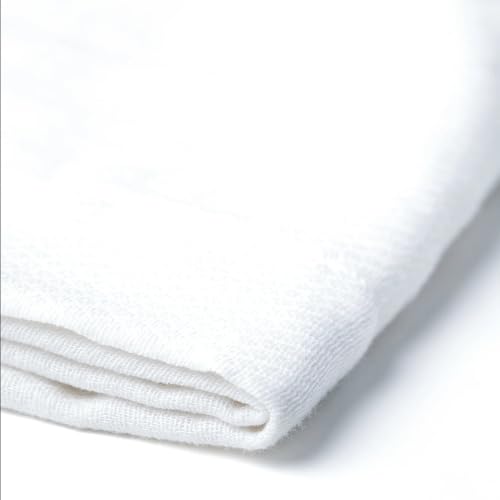
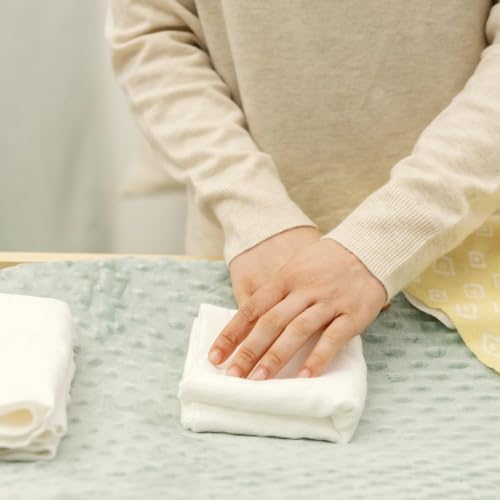
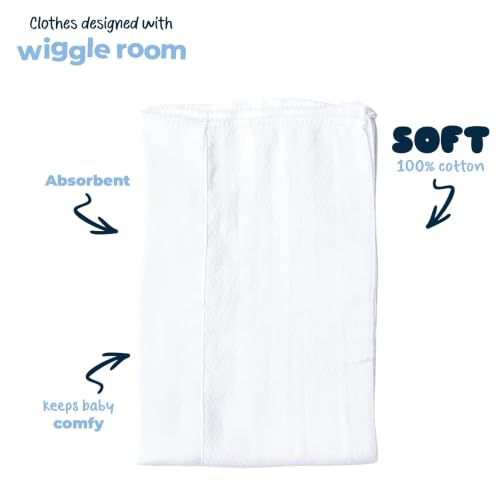
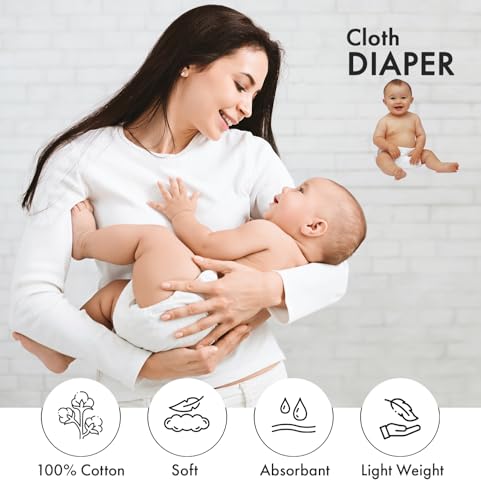
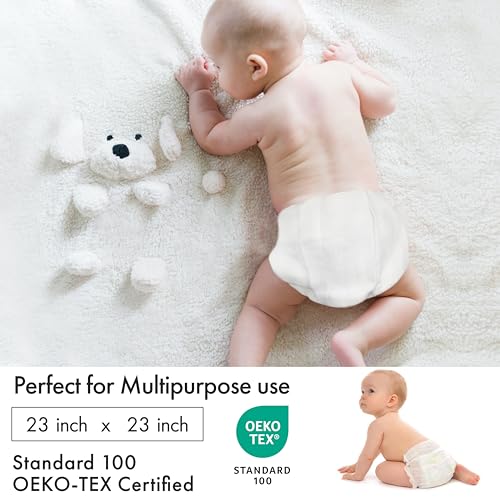
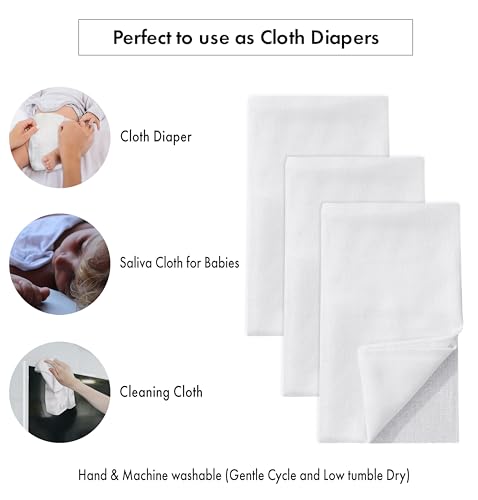
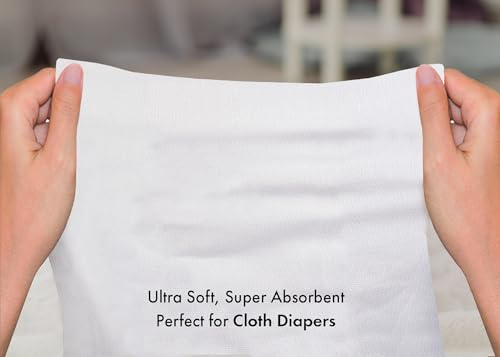
Ruvanti’s flatfolds are massive, 24×24 inches, and made from 100% cotton in an OEKO-TEX certified factory, which speaks to their safety and quality control. These aren’t fitted or pocketed; they’re meant to be folded and used with a separate waterproof cover. But that simplicity is why they’re so practical for frequent use. You can customize the thickness and placement based on your baby’s needs, and because they’re so durable, they survive hundreds of washes.
Many parents use these as backup inserts inside pocket diapers or as emergency rags during messy stages. At 10 pieces per pack, you get serious volume for the price, and reviewers consistently praise how white and clean they stay over time. Compared to Gerber’s smaller prefolds, these give more flexibility and coverage.
Product photos
How We Picked These cloth diapers for babies
Rather than a hands-on lab test, my research for these recommendations focused on a detailed comparison of published specifications and features across numerous brands. I weighed owner reviews from major retailers alongside expert opinions found in parenting publications and blogs. As the creator of NurseryDreamer.com, I’ve spent considerable time understanding parent priorities, and applied that knowledge to assess each diaper against key performance indicators.
For cloth diapers, absorbency, fit, and material softness were the most heavily weighted factors. A diaper’s ability to reliably prevent leaks is paramount, so I looked closely at insert capacity and design features like leg gussets. Equally important is a comfortable, secure fit that grows with the baby – a significant cost savings over continually purchasing new sizes. Finally, material quality impacts both comfort and longevity, influencing overall value.
Specifications reliably indicate a diaper’s size range and materials used. However, real-world performance – how well a diaper truly prevents leaks, its ease of washing, and how it holds up over time – is best gleaned from owner feedback. I paid particular attention to comments regarding absorbency during nighttime cloth diapers and how quickly diapers became fully functional after repeated washing. Finding the right fit for newborn cloth diapers is also crucial, and reviews helped identify those that adapt well to different baby shapes.
How To Pick The Right cloth diapers for babies
Choosing the right cloth diapers can feel daunting, but understanding your needs and the available options makes the process much simpler.
Cloth diapers require consideration of absorbency, fit, and material composition. A good diaper should effectively contain moisture, remain comfortable against a baby’s skin, and withstand repeated washings. Look for features like adjustable sizing, leak-proof construction, and breathable fabrics to optimize performance and prevent irritation. Prioritize materials certified free of harmful chemicals.
Absorbency & Insert Types
The core function of any diaper, cloth or disposable, is absorbency. Different materials and insert configurations offer varying levels of protection. While pocket diapers (like the best pocket diapers) allow you to customize absorbency by adding or removing inserts, prefold diapers rely on the density of the fabric itself. Hemp is incredibly absorbent but can be stiff initially, while microfiber is quick-drying but prone to compression leaks, meaning it can release liquid under pressure. Consider your baby’s output and whether you’ll primarily use the diapers during the day or overnight to determine the level of absorbency you’ll require.
Fit and Leak Protection
A properly fitting cloth diaper is crucial for preventing leaks and ensuring your baby’s comfort. Many modern cloth diapers, such as those from Mama Koala and Wegreeco, use snap closures to create an adjustable fit that grows with your child. Look for features like leg gussets – elasticized edges around the legs – to create a snug seal.
Here’s what to consider when assessing fit:
- Rise: This refers to the height of the diaper and should be adjusted using the snaps to ensure it covers the baby’s torso without gaping.
- Wing Snaps: Crossover snaps (as seen in the Mama Koala) help prevent wing droop, a common issue where the sides of the diaper pull away from the baby’s body.
- Closure Style: While snaps are common, some diapers use hook-and-loop closures (like Velcro). Snaps are generally more durable, but hook-and-loop can be easier to adjust quickly.
A snug fit around the legs and waist is paramount. Don’t hesitate to adjust the snaps frequently as your baby grows to maintain a secure and leak-free seal.
Material & Budget Considerations
Cloth diaper materials range from 100% cotton (like the Fasoar prefolds and Gerber birdseye diapers) to synthetic blends and waterproof PUL (polyurethane laminate) outer layers. Cotton is gentle on sensitive skin, but it can take longer to dry. PUL provides the waterproof barrier necessary to contain moisture, while suede cloth interiors help wick moisture away from the baby’s skin. Budget is also a factor; while a larger initial investment is required for cloth diapers, they can save you money in the long run compared to disposable options. If you’re looking for a cost-effective starting point, exploring the best cloth diaper brands and comparing starter kits is a good idea. You can also find excellent value with larger packs like the babygoal set, if you are looking for top cloth diapers for everyday use.
Cloth Diapers for Babies Compared
Here’s a comparison of key specifications for different cloth diaper options.
| Product Title | Size Range | Material (Outer) | Material (Insert) | Absorbency Level | Includes |
|---|---|---|---|---|---|
| Mama Koala 3.0 Pocket Cloth Diapers | 8-40lbs | TPU | Polyester Blend (4-layer) | High | 6 Inserts |
| Fasoar 6-Ply Cotton Cloth Diapers | Newborn – Toddler | 100% Cotton | 100% Cotton (6-ply) | High | 6-12 Diapers |
| babygoal Reusable Cloth Diapers 6 Pack | 7-33lbs | Polyester/TPU | Microfiber & Rayon Bamboo | Medium-High | 6 Diapers, 12 Inserts |
| wegreeco Cloth Diapers 6 Pack | 8-33lbs | Polyester/PUL | 4-Layer Fibre | Medium | 6 Diapers, 6 Inserts, 1 Wet Bag |
| wegreeco Cloth Diapers Green 6 Pack | 8-33lbs | Polyester/PUL | 4-Layer Fibre | Medium | 6 Diapers, 6 Inserts, 1 Wet Bag |
| Gerber Birdseye 3-Ply Prefold Diapers | N/A | 100% Cotton | 100% Cotton (3-ply) | Medium | N/A |
| Ruvanti 100% Cotton Flatfold Diapers | 23″ x 23″ | 100% Cotton | 100% Cotton | Medium | 10 Diapers |
Frequently Asked Questions
What’s the biggest difference between pocket diapers and prefolds?
Pocket diapers have a waterproof outer layer with an opening where you stuff absorbent inserts, allowing for customized absorbency, while prefolds are rectangular pieces of fabric that require a separate waterproof cover. Prefolds generally have a lower upfront cost but require more assembly.
How many cloth diapers will I realistically need for a newborn?
You’ll likely need between 24-36 cloth diapers for a newborn, assuming you want to change them every 2-3 hours. This allows for frequent changes and accounts for washing cycles every other day.
Are cloth diapers truly leak-proof?
Modern cloth diapers, especially those with well-fitted leg gussets and properly sized snaps, are very effective at preventing leaks. However, fit is crucial, and you may experience occasional leaks if the diaper isn’t snug enough or the absorbency isn’t sufficient for your baby’s output.
How often do I need to strip wash my cloth diapers?
Stripping cloth diapers, a deep cleaning process to remove buildup, isn’t usually necessary with regular, proper washing cloth diapers. However, if you notice reduced absorbency or lingering odors, stripping may be required every few months.
Can I use cloth diapers if I’m concerned about chemicals?
Yes, choosing organic cloth diapers made from certified organic cotton eliminates exposure to pesticides and other harmful chemicals often used in conventional cotton farming. Look for certifications like GOTS (Global Organic Textile Standard) to verify authenticity.
The Bottom Line
Choosing between the convenience of disposables and the commitment of cloth often comes down to balancing upfront cost with long-term savings and environmental impact. While there’s a learning curve with washing and fitting, the overall value and peace of mind offered by a quality cloth diaper system is substantial. For most families, I recommend the Mama Koala 3.0 Pocket Cloth Diapers as a strong all-around choice – they strike an excellent balance of absorbency, fit, and ease of use, and consistently receive high marks from owners.
If you’re just starting out or on a tighter budget, the babygoal Reusable Cloth Diapers 6 Pack provide a fantastic entry point into the world of cloth diapering. For parents specifically seeking a natural fiber option, the Fasoar 6-Ply Cotton Cloth Diapers offer a gentle and reliable solution. And for those anticipating diapers for newborns, a set of prefolds paired with a fitted cover can be incredibly versatile.
Ultimately, the “best” cloth diaper is the one that works best for your baby and your family’s lifestyle. Don’t get too hung up on individual specs; focus on finding a diaper that provides a secure, leak-proof fit, is comfortable for your little one, and fits your washing routine. Exploring best reusable diapers and reading reviews will set you on the right path.
