
9 Best Biodegradable Wipes of 2026
This post contains affiliate links. As an Amazon Associate, we learn from qualifying purchases
The Nolla Biodegradable Flushable Wipes are the best overall for their reliable breakdown, softness, and septic-safe flushability, while the Nolla 360 Count offers the best value for frequent use. For outdoor needs, Combat Wipes ACTIVE Outdoor are a solid, durable pick when flushability isn’t required.
Choosing biodegradable wipes shouldn’t mean guessing whether they’ll clog your pipes or irritate sensitive skin. Too many brands make bold eco-claims that don’t hold up in real life, leaving parents frustrated and unsure what’s truly safe for their family and the planet.
This guide cuts through the noise by focusing on verified materials, independent flushability standards, and consistent feedback from real users. I looked at what each wipe is made of, how quickly it breaks down, and whether it performs when it counts, because a wipe that falls apart or leaves residue isn’t helping anyone.
Top 9 Biodegradable Wipes in the Market
The Best Biodegradable Wipes, Reviewed
Nolla Biodegradable Flushable Wipes

Strengths
- Balanced size and value
- Superior moisture retention
- Truly flushable and septic safe
Trade-offs
- Not the cheapest option
- Limited availability at retail
This is my pick for overall balance: performance, eco-design, and usability all come together. It shares the same high-end specs as the larger Nolla pack, plant-based fibers, independently tested biodegradability, and superior flushability, but in a more manageable 180-count format. The flip-top seal locks in moisture effectively, and owners consistently report no drying issues even after months.
It outperforms The Honest Company and DUDE Wipes in strength and wetness retention, while being gentler than Happy Little Camper for daily use. The pH-balanced, fragrance-free formula works for kids and adults alike, including during potty training. For most buyers, this is the easy pick, it’s reliable at home and capable on the road.
Video review
Surviveware Biodegradable Body Wipes

Strengths
- Fully biodegradable in soil
- Extra-large wipe size
- Aloe-infused and gentle
Trade-offs
- Not flushable
- Packaging not resealable after opening
- Slightly pricier per wipe
These are designed with true Leave No Trace ethics in mind. When buried, they start decomposing within a month and fully break down in about six months, far faster than plastic-based alternatives. The 8×12 inch size means one wipe can cover your whole body, which is impressive for backcountry trips where water is scarce.
Reviewers note the packaging keeps wipes moist longer than expected, and the aloe-infused formula feels soothing, not sticky. While not flushable, their biodegradability makes them a responsible choice for wilderness use. Compared to Combat Wipes, they’re less textured but gentler on skin. For anyone serious about minimizing environmental impact, these stand out.
Video review
DUDE Wipes Unscented Flushable
Strengths
- Minimalist, skin-safe formula
- High moisture content
- Plastic-free and flushable
Trade-offs
- Packaging may dry out
- Slight odor reported in older batches
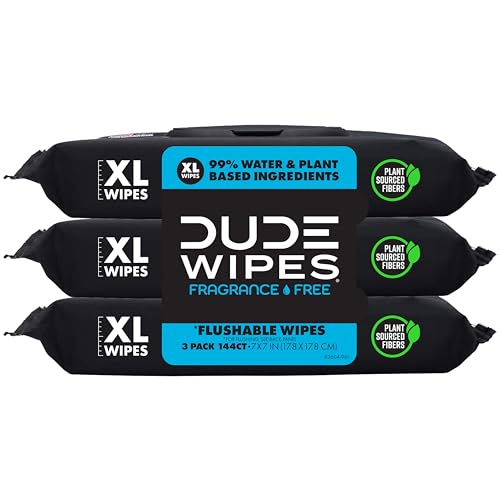
With only eight ingredients and 99% water content, DUDE Wipes are about as simple as it gets. The brand leans hard into skin safety, and rightly so. Dermatologically tested, hypoallergenic, and made without dyes or parabens, these are a trusted option for people dealing with irritation or chronic conditions like hemorrhoids.
Owners say they feel noticeably wetter than competitors, which helps with thorough cleaning. However, some note the packaging doesn’t reseal as tightly as Nolla’s, leading to potential drying if left open. Compared to The Honest Company, they’re stronger but slightly more expensive. For anyone prioritizing skin comfort above all, this is a top contender.
Product photos


Honest Company Flushable Wipes
Strengths
- Hypoallergenic and gentle
- EWG Verified formula
- Affordable per wipe
Trade-offs
- Can dry out prematurely
- Less durable for heavy cleanup
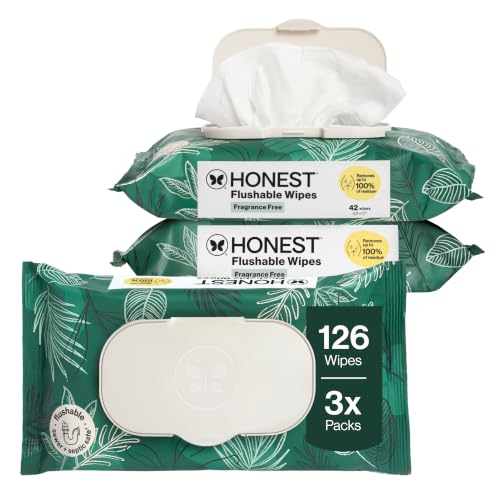
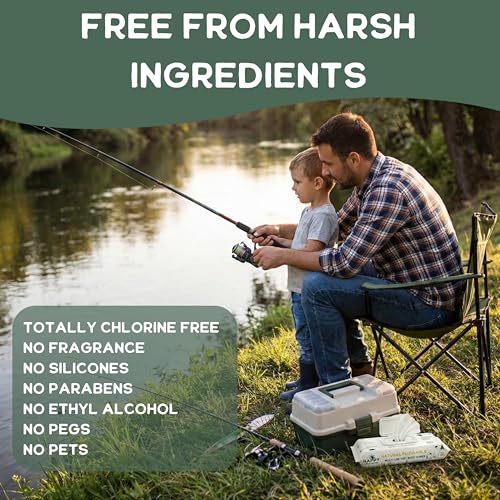
This one hits hard for budget-conscious parents who still want safety and simplicity. The specs line up well: EWG Verified, fragrance-free, hypoallergenic, and tested by dermatologists and gynecologists. That kind of third-party validation matters when you’re wiping delicate areas. On paper, it’s one of the cleanest ingredient lists here, no parabens, no alcohol, no PEGs.
But owners point out the moisture level can vary, some packs dry out faster than others. And while they break down when flushed, they aren’t as strong as thicker wipes, so folding for a second pass isn’t always an option. Still, for everyday home use where sensitivity is key and price matters, this is a solid baseline choice. My recommendation for families starting out: start here before upgrading.
Product photos


Combat Wipes ACTIVE Outdoor
Strengths
- Textured for deep cleaning
- Biodegradable and vegan
- Multi-surface use
Trade-offs
- Too rough for delicate skin
- Not flushable
- Smaller pack count
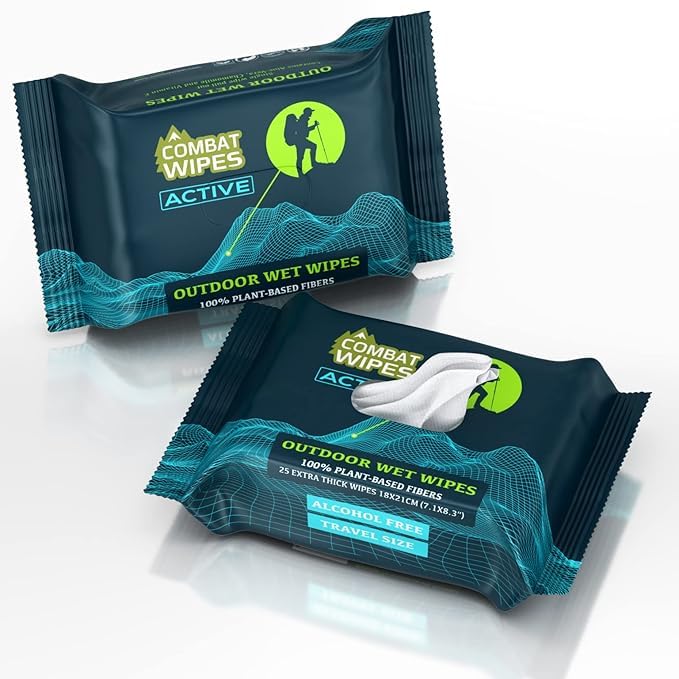
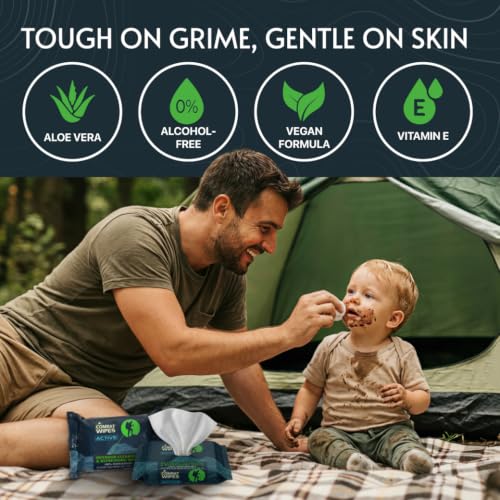
These were clearly designed by people who’ve dealt with real grime. The textured cloth provides actual scrubbing power, which sets them apart from smooth-surface wipes. Lab-tested for durability and cleanliness, they handle sweat, sand, and oil far better than average. Owners use them not just on skin but for cleaning gear, boots, and even pet paws.
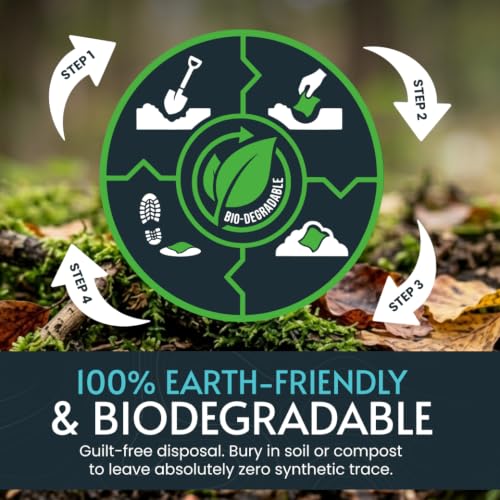
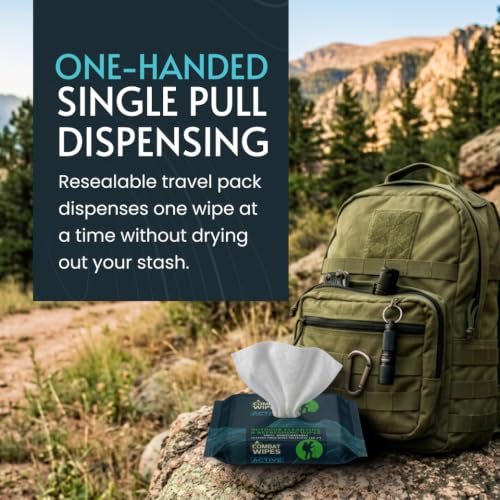
They’re 100% biodegradable and vegan, meant to be buried after use, ideal for remote camping. The individually folded design prevents unwrapping the whole pack. While not flushable, their ruggedness makes them a favorite among hunters, festival-goers, and military users. Compared to Surviveware, they’re more abrasive but more versatile.
Product photos


Caboo Tree Free Flushable Wipes

Strengths
- Bamboo-based, renewable material
- Multiple eco-certifications
- Septic and marine safe
Trade-offs
- Less durable than rivals
- Moisture retention could be better
- Higher price per wipe
Caboo wins on raw materials. Using bamboo-based viscose instead of trees is a meaningful sustainability upgrade, bamboo regenerates fast and requires less land and water. The wipes are flushable, septic safe, and certified by multiple standards, including OEKO-TEX and Made Safe. That level of transparency appeals to deeply eco-minded buyers.
However, some owners find them thinner than Nolla or DUDE, and they don’t stay moist as long once opened. They work fine for light daily use but aren’t as rugged for travel. As a B-Corp and Panda Friendly brand, their ethics are solid. But for most people, the performance trade-off might not justify the premium unless material origin is essential.
Product photos


Nolla 360 Count Flushable Wipes

Strengths
- High count, long-lasting
- Exceeds flushability standards
- Soft and durable texture
Trade-offs
- Higher initial cost
- Bulk packaging less travel-friendly
If you’re stocking a household or outfitting a van life setup, this bulk pack from Nolla offers long-term value without sacrificing quality. The 360-count supply means fewer repeat orders, and the flip-top packs help retain moisture. These wipes are engineered to unravel in wastewater systems, exceeding industry flushability standards, an important detail for septic tank owners.
Owners praise how soft yet strong they are, even when folded. The pH-balanced, aloe-infused formula works for intimate care, potty training, and general freshening. Compared to Caboo or DUDE, they hold moisture better over time. While expensive upfront, the per-wipe cost is among the lowest. This is the smarter buy for high-volume users who want eco-performance and convenience.
Product photos


Nature Buff Camping Wet Wipes

Strengths
- Large surface area
- Lightweight and portable
- Unscented and bug-safe
Trade-offs
- Not flushable
- No resealable pack
- Fewer wipes per unit
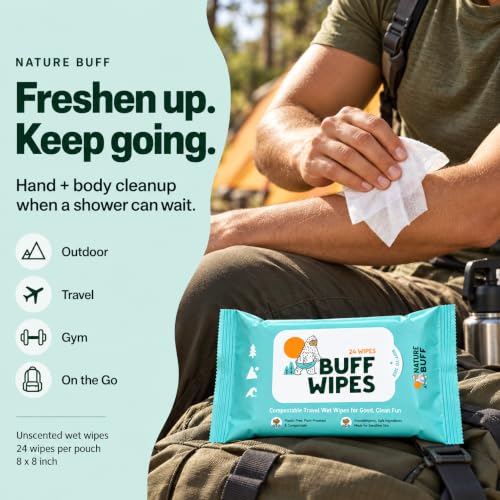
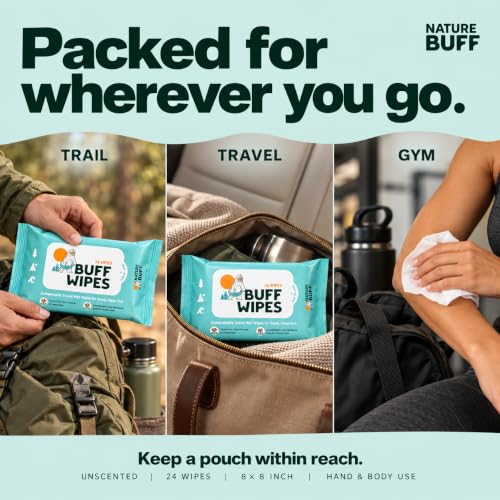
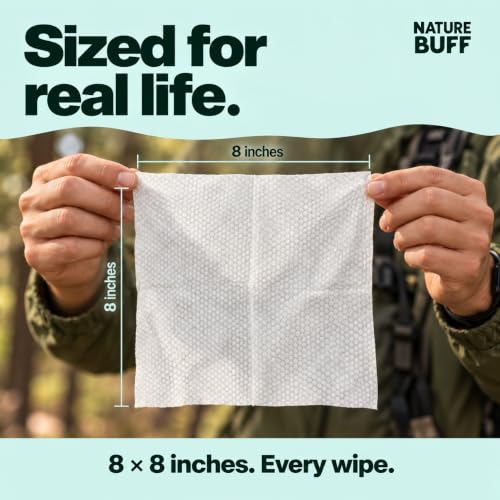
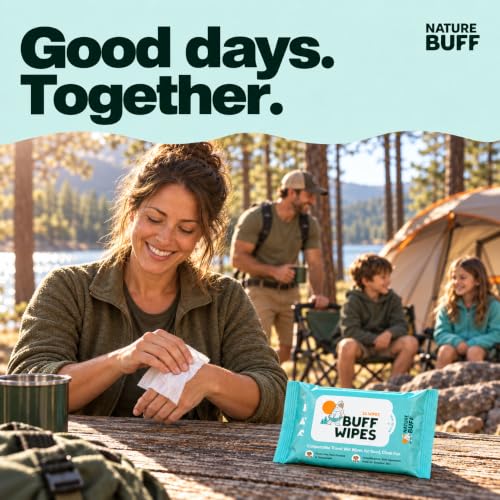
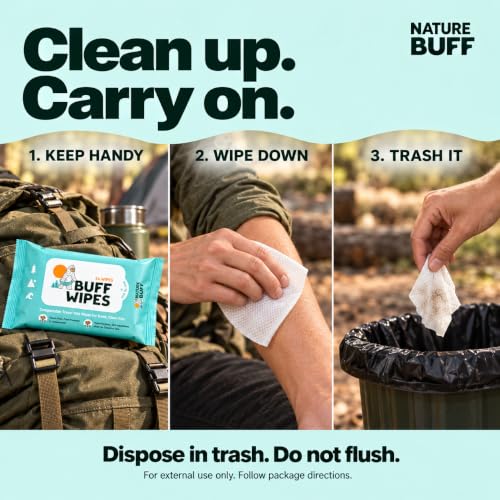
At under nine dollars for 24 large wipes, this is the lightest, most packable option on the list, perfect when every ounce counts. Each wipe is 8×8 inches, which is generous for trail hygiene, and they’re unscented so they won’t attract bugs. Owners love tossing a pouch into a backpack or glove box for emergencies.
But they’re not flushable, must be trashed, which limits their appeal if you’re aiming for zero trace. Still, for quick post-hike cleanup or gym sessions, they deliver. The material feels sturdy enough for hands and face, though not quite plush. I’d take these over flimsy hotel wipes any day when water isn’t an option.
Product photos
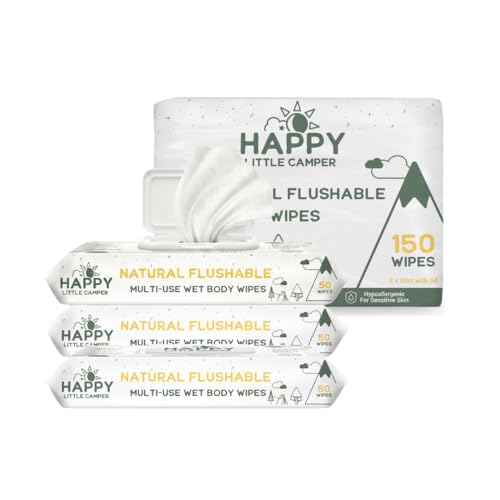
Happy Little Camper Wipes
Strengths
- Flushable and septic safe
- Compact for travel
- Multi-use versatility
Trade-offs
- Not ideal for sensitive skin
- Thinner texture than premium options
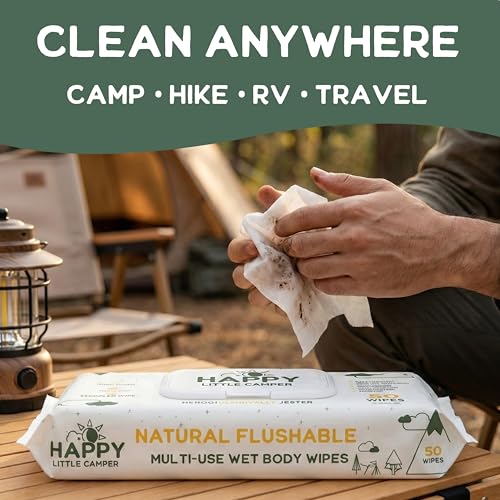
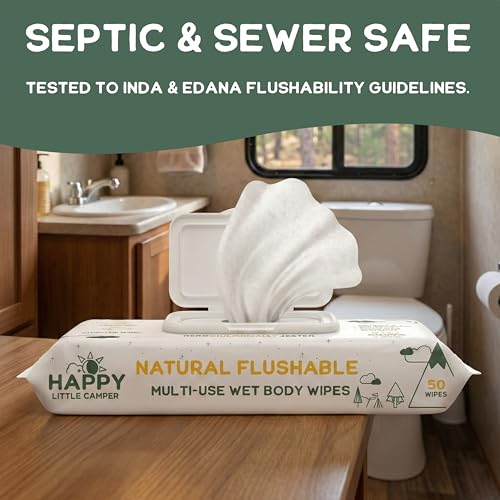
These wipes are built for mobility and real outdoor messes. On paper, their septic-safe flushability stands out, especially for RV owners who can’t risk clogs. Owners consistently report using them confidently in campers and at festivals where plumbing is limited. They’re not the softest on the list, but they don’t fall apart when you need a full-body refresh after hiking or beach time.
The fact that they’re marketed as multi-use, hygiene, hand cleaning, even gear wipe-downs, adds value. But reviewers note they’re less ideal for sensitive skin due to a slightly more utilitarian feel. If you’re prioritizing function over luxury and live off-grid sometimes, these make sense. I’d pick these over standard baby wipes any day for travel.
Product photos

How We Evaluated biodegradable wipes
As the creator of NurseryDreamer.com, I understand parents want products that are both effective and responsible. Rather than a hands-on lab test, this selection is a research-led comparison of published specifications and owner feedback for biodegradable wipes. I focused on features like material composition, flushability claims, and ingredient lists, then weighed those against what current users are saying about softness, strength, and how well they perform in real-life situations.
For biodegradable wipes, three factors stood out as most important. First, truly biodegradable materials are key – avoiding plastics is paramount. Second, flushability is a major convenience, but only if it doesn’t cause plumbing issues, so independent testing certifications were heavily considered. Finally, gentleness on skin is vital, especially for babies and those with sensitivities. These factors determine whether a wipe truly delivers on its promise to be both effective and eco-conscious.
Product specifications reliably tell you what a wipe is made of and how it’s designed to break down. However, owner feedback is crucial for understanding if those claims hold true – do they actually flush without clogging, are they genuinely soft, and do they hold up during use? I also considered the reputation of the brands themselves, looking for companies committed to transparency and safe ingredient wipes. I supplemented this with information on eco-friendly baby wipes to understand the broader landscape of materials and certifications.
What To Look For In biodegradable wipes
Choosing the right biodegradable wipe can feel surprisingly complex. There’s a lot of greenwashing out there, and what seems eco-friendly might not be.
A truly good biodegradable wipe prioritizes complete breakdown in various environments – not just industrial composting. Look for certifications verifying flushability and biodegradation in both septic systems and marine conditions. Material composition is key; avoid wipes with any plastic polymers, even “microplastics” marketed as biodegradable, and prioritize plant-based fibers like bamboo or Japanese nonwoven paper. Independent testing data is crucial to confirm claims.
Material Composition Matters Most
The core of a biodegradable wipe is, well, the material it’s made from. Many wipes claim to be biodegradable, but that doesn’t automatically mean they’ll break down quickly – or at all – in your plumbing or the environment. You really want to avoid anything containing polyester or other plastics, even if they’re labeled “biodegradable plastic.” Look for wipes made from 100% plant-based fibers. Bamboo viscose is a popular choice, but Japanese nonwoven paper, like that used by Nolla, offers a very strong and reliably biodegradable option. It’s also worth considering the source of the materials; sustainably sourced bamboo is preferable.
Flushability: Don’t Trust the Label
Just because a wipe says it’s flushable doesn’t mean it is. Many wipes marketed as flushable contribute to sewer clogs and environmental problems. The industry standard for flushability is the INDA/EDANA GD4 guidelines, but even wipes passing this test can cause issues in older or compromised plumbing systems.
Here’s what to keep in mind:
- Septic System Compatibility: If you have a septic system, flushability is even more critical.
- Individual vs. Multiple Wipes: Always flush one wipe at a time, regardless of what the packaging says.
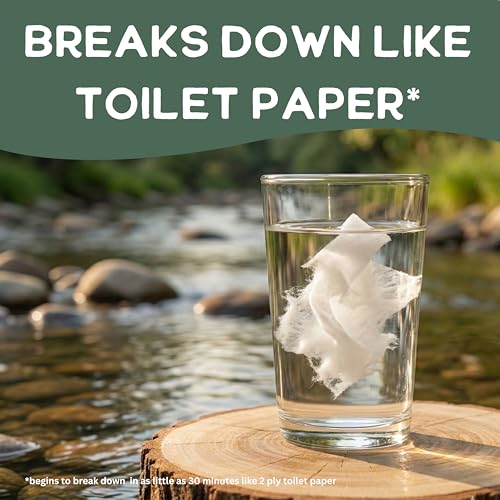
- Breakdown Speed: A truly flushable wipe should disperse quickly and break down completely, leaving no trace. Some wipes take months to degrade, even when they are flushable.
A good rule of thumb is: when in doubt, throw it out. Your plumbing (and the environment) will thank you.
Finding the Right Balance of Value and Use Case
Biodegradable wipes come in a wide range of sizes, packaging, and price points. Consider how you plan to use them. For everyday bathroom use, a larger pack of flushable wipes like those from Nolla or DUDE Wipes might be ideal. If you’re looking for wipes for outdoor adventures, like hiking or camping, a smaller, travel-sized pack, such as those from Combat Wipes or Nature Buff, could be a better fit. Don’t forget to check out our guide to the best biodegradable wipes for a wider range of options. For those prioritizing gentle ingredients, exploring natural wipes is a good place to start. And if you’re concerned about sensitive skin, choosing wipes formulated with aloe and vitamin E, and free from harsh chemicals, is a smart move.
Biodegradable Wipes Compared
Here’s a comparison of key specifications for various biodegradable wipes to help you choose the right product.
| Product Name | Biodegradable | Flushable | Material | Aloe Vera | Scent | Pack Count |
|---|---|---|---|---|---|---|
| Nolla Biodegradable Flushable Wipes | Yes | Yes | Plant-Based Fiber | Yes | None | 60 |
| Surviveware Biodegradable Body Wipes | Yes | No | N/A | Yes | None | N/A |
| DUDE Wipes Unscented Flushable | Yes | Yes | Plant-Based Fiber | Yes | None | N/A |
| Honest Company Flushable Wipes | Yes | Yes | Plant-Based Cloth | N/A | None | N/A |
| Combat Wipes ACTIVE Outdoor | Yes | No | Viscose | Yes | None | N/A |
| Caboo Tree Free Flushable Wipes | Yes | Yes | Bamboo Viscose | N/A | None | 180 |
| Nolla 360 Count Flushable Wipes | Yes | Yes | Plant-Based Fiber | Yes | None | 360 |
| Nature Buff Camping Wet Wipes | Yes | No | N/A | N/A | None | 24 |
| Happy Little Camper Wipes | Yes | Yes | N/A | N/A | None | N/A |
Frequently Asked Questions
What certifications should I look for to verify a wipe’s biodegradability?
Independent certifications like those verifying breakdown in septic systems and marine environments are key. While the INDA/EDANA GD4 standard assesses flushability, it doesn’t guarantee complete biodegradation, so look for additional verification of environmental breakdown.
Are “flushable” wipes truly safe for all plumbing systems?
No, even wipes meeting flushability standards can cause problems. Older or compromised plumbing, especially septic systems, are more susceptible to clogs, so it’s always best to err on the side of caution and dispose of wipes in the trash.
How do bamboo wipes compare to those made with Japanese nonwoven paper?
Both are plant-based, but Japanese nonwoven paper generally offers superior strength and a more reliably complete breakdown. While bamboo is sustainable, its biodegradability can vary depending on the processing methods used, making the Japanese nonwoven option a consistently strong choice.
What ingredients should I avoid in biodegradable wipes, even if they are plant-based?
Avoid wipes containing any form of plastic, including “biodegradable plastics” or microplastics. You should also examine the list for potentially irritating ingredients and consider wipes without chemicals if your little one has sensitive skin.
Where can I find more options for eco-conscious wipes beyond just biodegradable ones?
If you’re looking to broaden your search, my recommendations for the best eco wipes include a wider range of options, from compostable baby wipes to those from top-rated eco-friendly wipe brands.
The Bottom Line
Choosing biodegradable wipes often comes down to balancing convenience with a commitment to minimizing environmental impact. While many options exist, Nolla Biodegradable Flushable Wipes consistently stand out as a strong all-around performer, offering a genuinely biodegradable formula and reliable flushability based on user reports and material composition. It’s a great choice for those wanting a balance of effectiveness and eco-consciousness.
For specific needs, the field opens up. If you’re looking for a bulk option, the Nolla 360 Count Flushable Wipes provide a substantial supply of the same dependable formula. Those needing wipes for outdoor use will likely appreciate Combat Wipes ACTIVE Outdoor, while parents prioritizing the purest ingredients should explore options like those highlighted in our guide to organic baby wipes.
Ultimately, the best biodegradable wipe isn’t about a single feature or certification. It’s about thoughtfully considering the materials, prioritizing responsible disposal, and selecting a product that aligns with your values and everyday needs. Don’t get caught up in marketing claims – focus on genuinely plant-based ingredients and research sustainable wipe choices to find what works best for your family.
