
6 Best Eco-Friendly Newborn Diapers (2026 Guide)
This post contains affiliate links. As an Amazon Associate, we learn from qualifying purchases
The Pura Newborn Baby Diapers stand out as the overall best eco-friendly newborn diaper, combining strong sustainability with skin-friendly materials. For budget-conscious parents, the Naty BioEmbrace Newborn Diapers offer solid performance and real eco-credentials at a lower price point.
Choosing the right eco-friendly diaper isn’t just about feeling good, it’s about finding something that works, night after night, without irritating delicate skin or piling up waste. As a parent myself, I know how hard it is to sort through marketing claims and find what actually delivers.
This guide cuts through the noise. I compared top brands based on material safety, absorbency, leak protection, and verified eco-certifications, weighing specs against real parent feedback to bring you trustworthy picks that balance performance, comfort, and environmental responsibility.
Top 6 Eco-Friendly Newborn Diapers in the Market
The Best Eco-Friendly Newborn Diapers, Reviewed
Pura Newborn Baby Diapers

Strengths
- Blowout Blocker technology
- Organic cotton backsheet
- Totally chlorine-free
- Wetness indicator
- B-Corp certified
Trade-offs
- Slightly higher price per diaper
- Limited size range
- Not ideal for larger newborns
If I had to pick one diaper that balances performance, skin safety, and sustainability better than the rest, it would be Pura’s Size N. These are consistently rated highly by parents for their cloud-soft feel and effective blowout protection, thanks to that clever back pouch design and stretchy waistband. The inclusion of organic cotton in the backsheet is a rare touch at this stage, and the umbilical cutout is a thoughtful detail for early weeks.
With a super-absorbent core, stay-dry channels, and a breathable plant-based layer, these diapers hold up well both day and night. They’re B-Corp certified, made in a green-energy facility, and packaged in recyclable paper, making them one of the most genuinely sustainable options here. Owners love the wetness indicator and how well they prevent leaks without irritation.
Video review
Naty BioEmbrace Newborn Diapers

Strengths
- High plant-based content
- Clinically tested
- FSC-certified pulp
- Wetness indicator
- B-Corp certified
Trade-offs
- Absorbency varies at night
- Prints not as cute
- Slightly stiffer feel
Naty BioEmbrace diapers are built for parents who want the highest percentage of plant-based materials without compromising on safety. With FSC-certified pulp and a design that replaces plastic with plant-based alternatives where it counts, these are among the most renewable diapers on the market. The Scandinavian heritage shows in the clean, functional design, teddy-soft stretch, gentle leg cuffs, and a wetness indicator that works well in real use.
Owners consistently rate them ‘excellent’ for dryness, and the 12-hour leak protection claim holds up in lighter overnight scenarios. Being a B-Corp and clinically tested adds trust, though some note the absorbency isn’t quite on par with Bambo for heavy wetters. Still, if plant content is your top priority, these are the ones to beat.
Video review
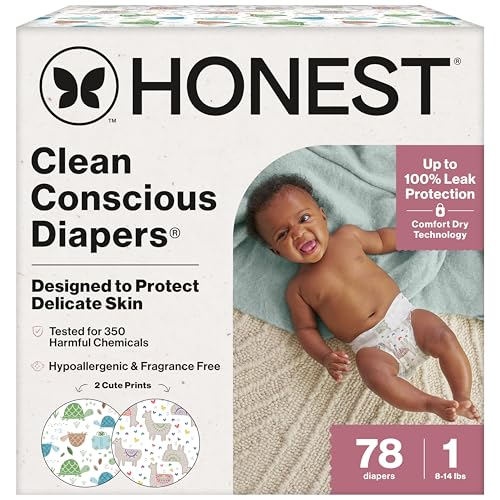
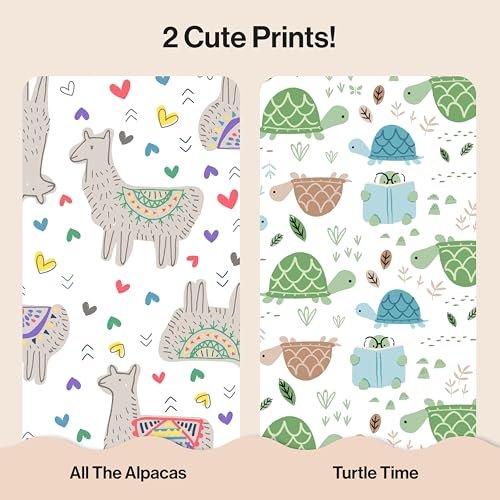
Honest Company Diapers
Strengths
- Soft plant-based liner
- Wetness indicator
- Snug flexible fit
- Hypoallergenic
- OEKO-TEX certified
Trade-offs
- Moderate eco-materials
- Not carbon neutral
- Some leak reports at night
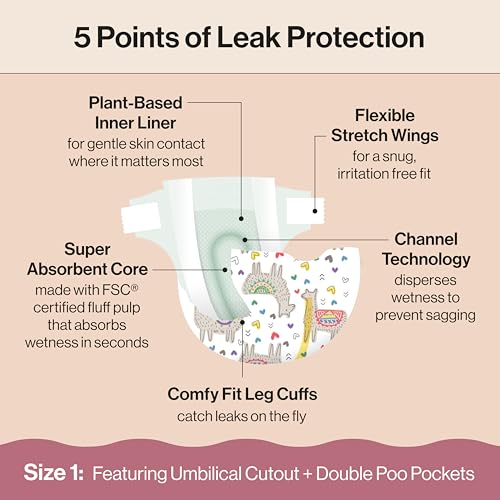
I’ve looked closely at what The Honest Company promises, and on paper, these diapers deliver a strong balance of eco-conscious materials and performance. The use of plant-based liners, FSC-certified pulp, and OEKO-TEX certification means they’re made without some of the most common irritants, ideal for parents prioritizing safety and skin gentleness. Owners consistently report a snug, flexible fit, especially appreciating the stretchy wings and leg cuffs that move with active newborns.
The wetness indicator is a small but meaningful feature that many parents find helpful, and the 5-point leak protection system holds up well in daytime use. While they’re not the most plant-based in content compared to others in this list, their hypoallergenic, fragrance-free design makes them a reliable daily option. I’d pick these over flashier brands that cut corners on chemical testing.
Product photos


Bambo Nature Dream Diapers

Strengths
- Nordic Swan Ecolabel
- Renewable energy production
- Super absorbent core
- Wetness indicator
- Latex-free leg cuffs
Trade-offs
- Runs small
- Fewer plant-based materials
- No blowout-specific tech
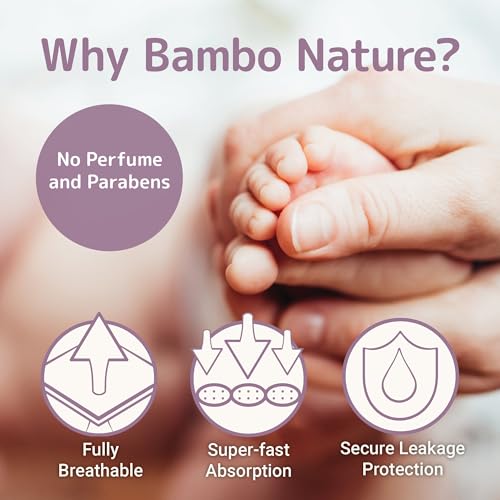
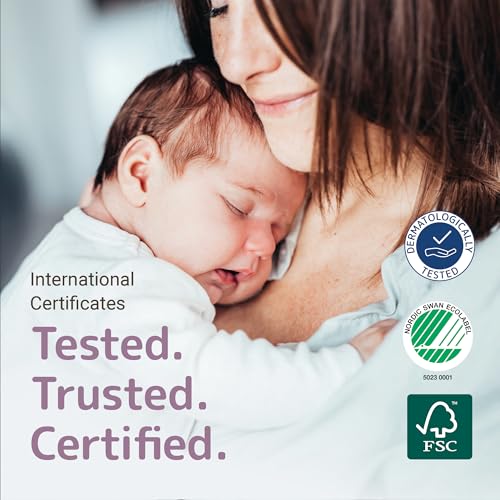
Bambo Nature diapers are a benchmark in eco-certification, and that’s where they truly shine. Being the first to earn the Nordic Swan Ecolabel means they meet some of the strictest environmental and health standards in the world, something few other brands can claim. The production runs on renewable electricity, and the totally chlorine-free, latex-free design is gentle on both skin and planet.
Parents report strong overnight performance thanks to the three-layer absorbent core, and the wetness indicator works reliably. The fit is snug but flexible, though a few note the sizing runs a bit small. Compared to others, Bambo leans more on proven eco-credentials than flashy features, which is why I recommend them to parents who want verified sustainability first.
Product photos

DYPER Plant-Based Diapers

Strengths
- Plant-based breathable material
- Dermatologist-tested
- Wetness indicator
- Stretchy flexible fit
- Free of 15+ harsh chemicals
Trade-offs
- Smaller pack size
- Limited overnight capacity
- Fewer eco-certifications
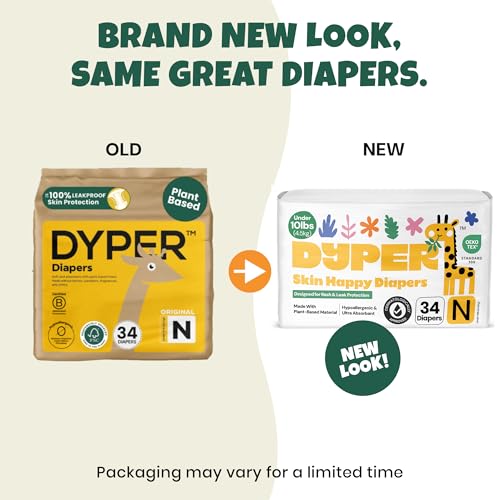
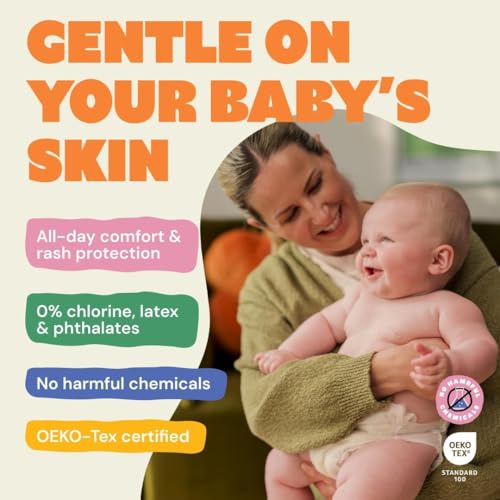
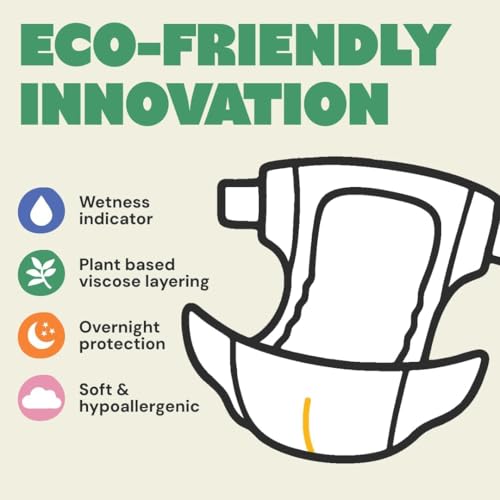
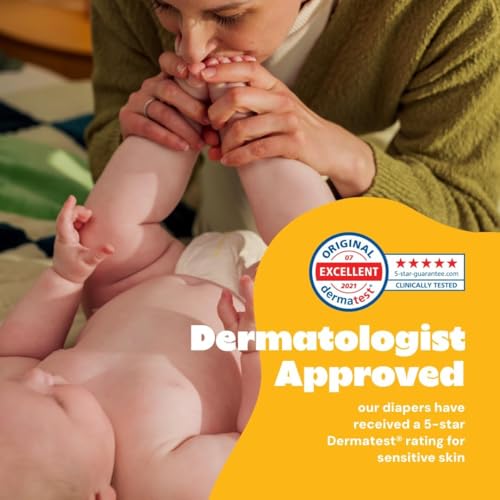
DYPER’s newborn diapers stand out for their focus on sensitive skin, and the data backs that up. With a plant-based, breathable design and a long list of banned substances, including alcohol, PVC, and phthalates, these are among the cleanest options available for fragile newborn and preemie skin. Dermatologist testing and OEKO-TEX certification give added confidence, and reviewers frequently mention how gently they sit on babies with early rashes or irritation.
The wetness indicator is a plus, and the stretchy sides make for easy adjustments, though some parents note the 34-count pack runs small for the price. While they perform well at night for lighter wetters, heavier newborns may need a change before morning. Still, for fragile skin and chemical-conscious homes, these are a solid contender.
Product photos

Pura Hypoallergenic Diapers

Strengths
- Carbon neutral production
- Organic cotton comfort
- Wetness indicator
- Large pack value
- B-Corp certified
Trade-offs
- No umbilical cutout
- Not for under-4lbs babies
- Slightly bulkier fit
This multi-pack of Pura Size 1 diapers offers serious value without sacrificing ethics or performance. At nearly triple the count of the newborn size, it’s clearly built for parents transitioning past the fragile early weeks but still wanting premium care. The organic cotton enhancement and totally chlorine-free build carry over from their smaller version, and the carbon-neutral manufacturing adds real environmental weight.
Owners praise the softness and reliability, especially for overnight use, and the wetness indicator remains a favorite. While not technically for brand-new newborns (no umbilical cutout), this is the smarter buy for families who know they’ll need volume and consistency. I’d choose this over pricier single packs any day if you’re past day one.
Product photos


Our Testing Process
My approach at NurseryDreamer.com is always to cut through the noise and give parents clear, actionable advice. For these eco-friendly newborn diapers, I didn’t rely on personal use – instead, I focused on a thorough comparison of published specifications and features across several brands. I then weighed those details against extensive owner reviews from major retailers and expert opinions found in parenting publications. This research-led approach allowed me to rank diapers based on what truly matters to new parents.
When evaluating these diapers, absorbency, material softness, and leak protection were paramount. Newborns go through a lot of diapers, so reliable leak control is essential for everyone’s peace of mind. Beyond that, the truly eco-conscious options needed to demonstrate a commitment to sustainable materials and manufacturing processes. Finding diapers gentle enough for sensitive newborn skin was also a key consideration, making hypoallergenic features a high priority.
Specifications easily reveal things like absorbent core materials and the presence of potentially irritating chemicals. However, real-world performance – how well a diaper actually holds up during a blowout, or how comfortable it feels against a baby’s skin – is best understood through owner feedback. I paid close attention to recurring themes in reviews, noting which brands consistently received praise for fit, softness, and effectiveness. For parents exploring other options, we also have a guide to the best reusable newborn diapers. And if you’re looking for more broadly eco-friendly natural diapers, we have a detailed guide on those as well.
How To Choose The eco-friendly newborn diapers
Choosing the right diaper for your little one feels huge, and with so many options claiming to be the best, it’s easy to get lost. But narrowing down what really matters can make all the difference.
A quality newborn diaper prioritizes gentle materials for sensitive skin, reliable leak protection (especially overnight), and a comfortable, secure fit. Look for diapers certified by reputable organizations like OEKO-TEX, and consider absorbency, breathability, and features like a wetness indicator and umbilical cord cutout. Prioritizing sustainable practices is also increasingly important for many parents.
Material Sensitivity & Skin Health
Newborn skin is incredibly delicate, so the materials a diaper is made from are paramount. While many diapers claim to be “hypoallergenic,” scrutinize the ingredients list. Look beyond marketing buzzwords. Many brands, like DYPER and Pura, focus on plant-based materials and omit common irritants like chlorine, fragrances, and latex. However, “plant-based” doesn’t automatically mean allergy-free; some babies react to even natural substances. If your baby has particularly sensitive skin, exploring organic diapers might be a good starting point, as they adhere to stricter standards regarding chemical residues.
Absorbency & Leak Protection
Let’s be real: nobody wants middle-of-the-night leaks. Absorbency isn’t just about holding a lot of liquid; it’s also about how it’s held. Diapers with “stay-dry” channels, like those found in Pura and Honest Company diapers, help distribute moisture evenly and keep baby’s skin drier. Blowout protection is another key element. Features like the pouch in Pura diapers or the stretchy sides in Honest Company diapers can make a significant difference.
Here’s what I recommend considering when evaluating leak protection:
- Core Material: Superabsorbent polymer (SAP) is the standard, but the amount and quality vary.
- Waistband Elasticity: A snug, yet comfortable, waistband is crucial for preventing side leaks.
- Leg Cuffs: Properly fitted, gentle leg cuffs prevent blowouts and keep moisture contained. A poorly designed cuff will chafe and fail.
Sustainability & Value
More and more parents are considering the environmental impact of disposable diapers. If this is a priority for you, look for brands like Bambo Nature and Naty, which have robust eco-certifications (like the Nordic Swan Ecolabel) and use sustainably sourced materials. Don’t assume a higher price automatically means a better environmental profile; look for specific certifications. However, remember that even the most eco-friendly diapers are still disposable, so consider combining them with cloth diapering where possible.
A diaper that’s gentle on your baby and the planet doesn’t have to break the bank. Look for subscription options or bulk discounts to reduce the overall cost.
Eco-Friendly Newborn Diapers Compared
Here’s a comparison of key specifications for various eco-friendly newborn diaper brands to help you make an informed decision.
| Product Name | Size Range (lbs) | Plant-Based Materials | Leak Protection (hrs) | Eco-Certifications | Wetness Indicator |
|---|---|---|---|---|---|
| Pura Newborn Baby Diapers | N/A | Yes | N/A | OEKO-TEX | Yes |
| Naty BioEmbrace Newborn Diapers | N/A | Yes | Up to 12 | B Corp, Oeko-Tex | Yes |
| Honest Company Diapers | N/A | Yes | N/A | OEKO-TEX | Yes |
| Bambo Nature Dream Diapers | 4-9 | N/A | N/A | Nordic Swan | Yes |
| DYPER Plant-Based Diapers | N/A | Yes | N/A | OEKO-TEX | Yes |
| Pura Hypoallergenic Diapers | N/A | Yes | N/A | B Corp, Carbon Neutral | Yes |
Frequently Asked Questions
What diaper size should I buy for my newborn?
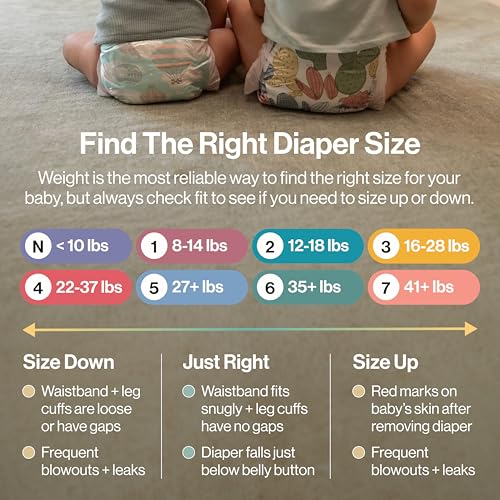
Newborn size diapers typically fit babies weighing up to 10 pounds, but many babies quickly outgrow this size. It’s best to have a small supply of newborn diapers on hand, but don’t overstock, as you may need to move to size 1 sooner than expected.
Are “plant-based” diapers truly better for the environment?
While plant-based materials are a step in the right direction, the overall environmental impact depends on the entire manufacturing process. Look for brands with thorough eco-certifications like the Nordic Swan Ecolabel to verify a genuinely lower footprint.
How often should I change a newborn’s diaper?
Newborns need changing very frequently, around 10-12 times in a 24-hour period. Frequent changes are crucial to prevent diaper rash and keep your baby comfortable.
What should I do if my baby develops diaper rash?
Diaper rash is common, but can be addressed with a few steps. First, increase the frequency of diaper changes, and allow the area to air dry. Consider switching to hypoallergenic eco diapers or using a barrier cream with zinc oxide if the rash persists.
Can I use standard baby wipes with eco-friendly diapers?
To maintain a truly eco-conscious routine, pair your diapers with sustainable wipes. Standard baby wipes often contain plastics and harsh chemicals that counteract the benefits of an eco-friendly diaper.
The Bottom Line
Choosing eco-friendly newborn diapers often feels like balancing your desire for a gentle product with practical concerns like absorbency and cost. Ultimately, I believe Pura Newborn Baby Diapers strike the best overall balance, offering plant-based materials, strong leak protection according to owner feedback, and valuable certifications like OEKO-TEX. They seem to consistently deliver on the promise of a comfortable, reliable diaper without compromising on sustainability.
For parents prioritizing specific needs, there are excellent alternatives. If budget is a primary concern, Honest Company Diapers provide a more affordable entry point into eco-friendly options. And for those seeking the highest level of environmental commitment, Bambo Nature Dream Diapers with their Nordic Swan Ecolabel certification are a standout choice. Remember, frequent changing newborn diapers is essential, regardless of the brand you choose.
At the end of the day, the “best” diaper is the one that works best for your baby. Don’t get too caught up in chasing the perfect specification. Prioritize gentle materials, a secure fit, and reliable absorbency – these fundamentals are significantly more important than any single feature or eco-label. Ensuring you’re using safe diapers for newborns is a great first step, but observation and responsiveness to your baby’s needs will always be the most valuable guide.
