
7 Best Baby Wipes for Sustainability (2026 Guide)
This post contains affiliate links. As an Amazon Associate, we learn from qualifying purchases
The Honest Company Multi-Use Baby Wipes stand out as the best overall for environmental impact, combining certified compostability with gentle, plant-based materials. For budget-conscious families, Mama Bear 98% Water Baby Wipes offer a more affordable entry into eco-friendly options without sacrificing key basics like high water content and reduced-plastic packaging.
Choosing wipes that are truly better for the planet isn’t as simple as grabbing the one labeled “natural.” So many brands make bold claims, but the reality often falls short, especially when it comes to what happens after you toss the wipe.
In this guide, I’ve compared top wipes based on material sourcing, biodegradability, packaging, and real parent feedback. These picks reflect what matters most: honest sustainability, skin safety, and practical value.
Top 7 Baby Wipes Environmental Impact Sustainability in the Market
The Best Baby Wipes Environmental Impact Sustainability, Reviewed
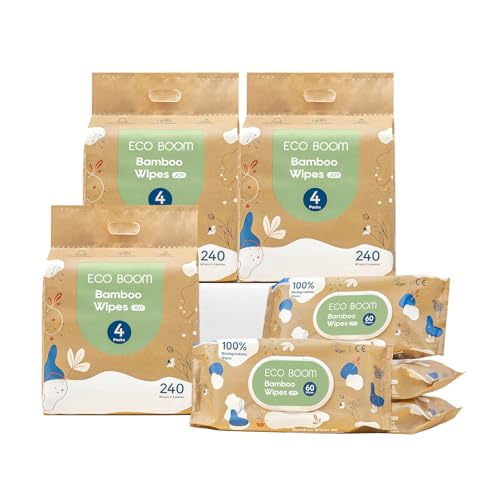
ECO BOOM Bamboo Baby Wipes
Strengths
- High wipe count
- Biodegradable
- Hypoallergenic
Trade-offs
- Bulk packaging less portable
- Not compostable
- Slightly stiffer texture
ECO BOOM stands out with a massive 960-count supply made from bamboo, which breaks down more easily in landfills than plastic-based wipes. The formula is fragrance free and hypoallergenic, and reviewers frequently mention how soft they are, even for babies with reactive skin. On paper, the biodegradable design makes sense for eco-conscious parents, but real-world decomposition depends heavily on disposal methods.
I like that the wipes come in easy-dispense packaging and the company backs them with a no-questions refund policy. That kind of confidence matters when you’re trying a new brand. Compared to Amazon Elements, it’s pricier, but the sustainability angle gives it an edge.
Video review
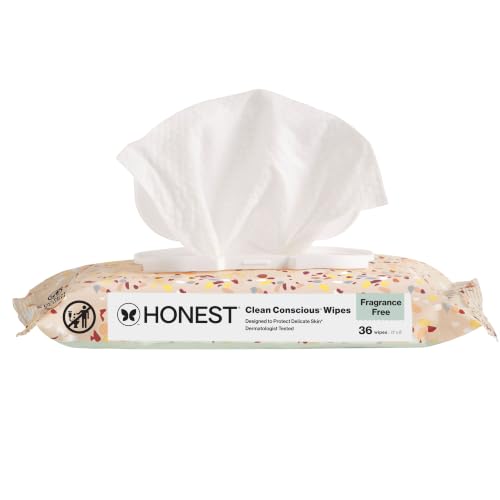
Honest Company Multi-Use Baby Wipes
Strengths
- Compostable
- EWG Verified
- 7 transparent ingredients
Trade-offs
- Small pack size
- Less moisture
- Higher cost per wipe
The Honest Company’s wipe is one of the few that earns compostable credentials, breaking down in about eight weeks under proper conditions, and it’s EWG Verified, which speaks volumes about ingredient transparency. With only seven ingredients and no plastic cloth, it’s a standout for parents serious about reducing landfill waste.
It’s also durable enough to use beyond diaper duty, which owners love for quick cleanups. But the small pack size makes it impractical as a primary wipe unless you’re buying frequently. Compared to JOONYA, it’s less moist and not quite as thick, but the eco-certifications are stronger.
Video review
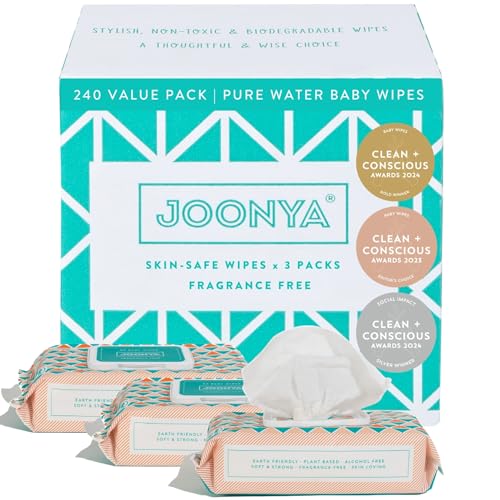
JOONYA Unscented Plant-Based Wipes
Strengths
- FSC certified
- Biodegradable
- Extra large size
Trade-offs
- Not compostable
- Higher price
- Limited refill options
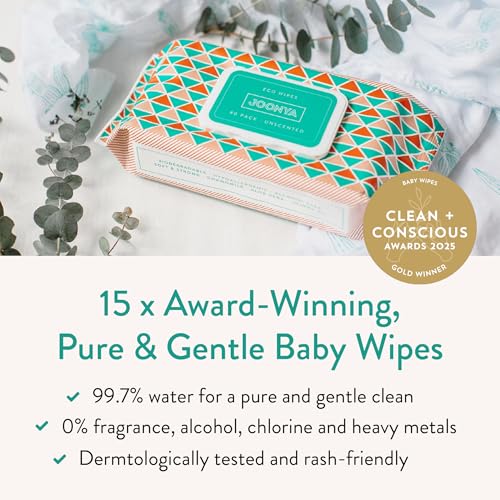
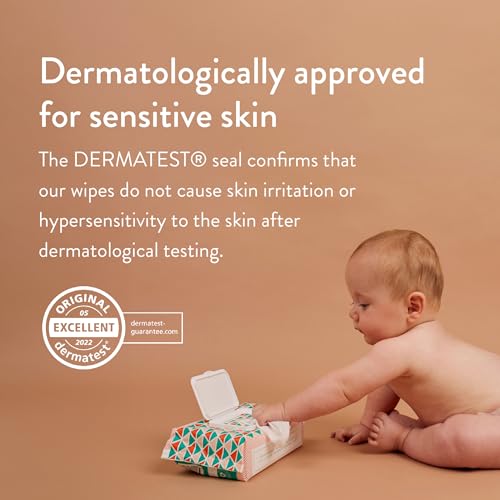
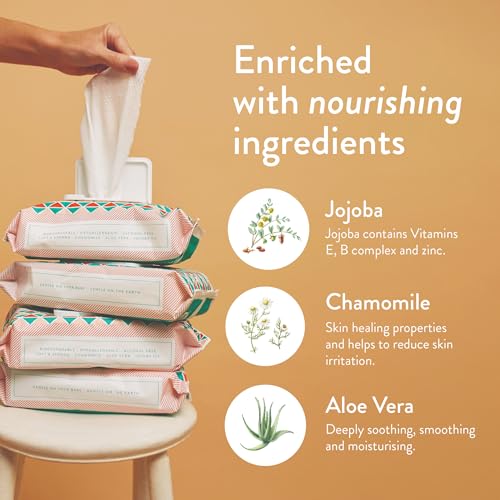
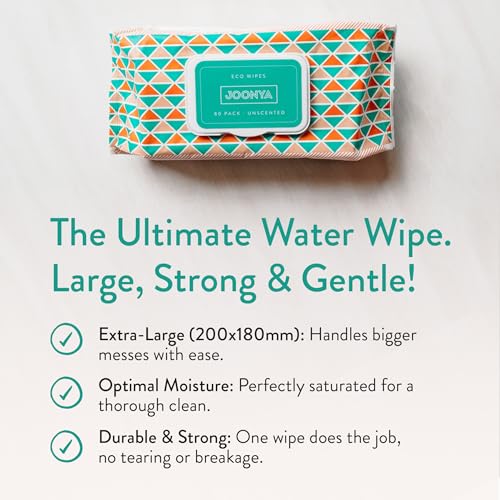
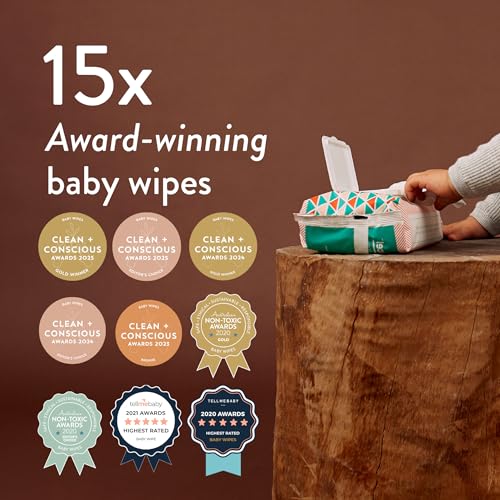
JOONYA earns its reputation with FSC 100% certified viscose pulp and a wipe that’s both biodegradable and free from petrochemicals and formaldehyde. The 99.7% water formula includes organic aloe, chamomile, and jojoba, ingredients that show up in dermatologically tested, low-irritation formulas. Owners consistently praise how soft and strong they are, even when wet.
The large 7.9 x 7.1-inch size makes them efficient for full cleanups, and the pop-up dispensers seal well. While not compostable like Honest Company’s, it’s one of the most planet-friendly options that still performs like a premium wipe. I’d pick this over ECO BOOM for texture and ingredient quality.
Product photos
Molly’s Suds Sensitive Clean Wipes

Strengths
- 99% water
- Fragrance free
- Plant-based fibers
Trade-offs
- Not flushable
- Smaller count
- Higher cost per wipe
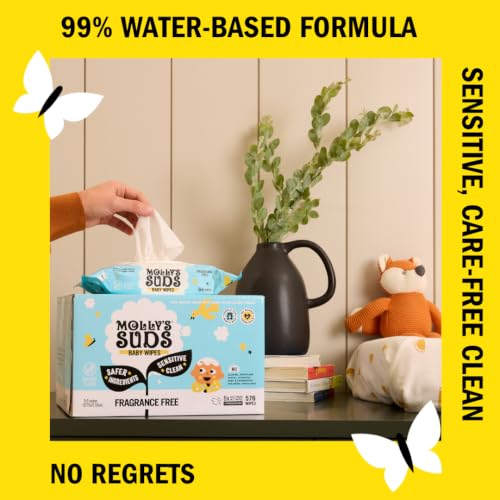
I appreciate how Molly’s Suds keeps things simple with a wipe that’s 99% water and free from alcohol, parabens, and synthetic fragrances. Parents consistently report it’s gentle on sensitive skin, and the inclusion of aloe and vitamin E adds a soothing touch without irritation. The plant-based fibers are a plus, but I do wish the packaging made it easier to refill or reduce plastic use.
Still, the flip-top packs are convenient for travel, and the fact that they’re not flushable is a necessary trade-off for durability. For a brand focused on purity, it delivers, though the price per wipe is higher than some bulk options.
Product photos



Bc Babycare Cloud Moist Baby Wipes
Strengths
- Extra thick
- High moisture
- Extra large size
Trade-offs
- Limited availability
- Not compostable
- Flip-top lid may dry out
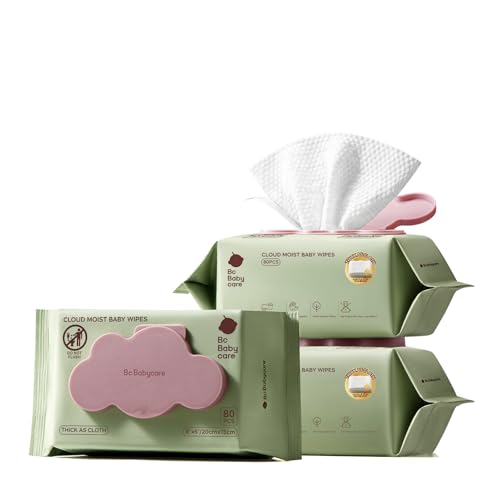
Bc Babycare markets these as 3X thicker than average, and owners confirm they don’t fall apart during messy changes. The extra-large size covers more surface area, which helps when cleaning a wiggly baby. With 99% water and a pH close to baby’s skin, it’s formulated to be non-irritating, and the German and EU safety certifications add credibility.
The biodegradable claim is promising, but like most wipes, it only breaks down under ideal conditions. Still, the moisture content and softness get high marks. Compared to Amazon Elements, it’s more premium in feel but costs more per wipe.
Product photos


Amazon Elements Unscented Baby Wipes

Strengths
- High count
- Recycled packaging
- Aloe and vitamin E
Trade-offs
- Not biodegradable
- Not compostable
- Plastic-based fibers
Amazon Elements delivers what budget-conscious parents need: a large 810-count supply with a clean formula, no fragrances, alcohol, or parabens, and added aloe and vitamin E. The wipes are unscented and pediatrician tested, and owners say they perform like pricier brands without the markup.
The packaging uses recycled material, which helps reduce plastic footprint, but the wipes themselves aren’t biodegradable. Still, for a daily-use staple, the value is hard to beat. Compared to Mama Bear, it offers more wipes per dollar and better moisture retention.
Product photos


Mama Bear 98% Water Baby Wipes

Strengths
- Low cost
- FSC certified
- Recycled packaging
Trade-offs
- Thinner material
- Not biodegradable
- Smaller packs
Mama Bear hits a sweet spot between cost and eco-consciousness. With 98% water and no alcohol or parabens, it’s gentle enough for sensitive skin, and the FSC certification means the pulp comes from responsibly managed forests. The packaging includes recycled material, which I appreciate, but the wipes themselves aren’t biodegradable.
It’s one of the lowest-cost options with eco-labels, making it a go-to for parents testing sustainable brands without commitment. Still, it’s thinner than Bc Babycare or JOONYA, so it doesn’t hold up as well with stubborn messes.
Product photos


How We Picked These baby wipes environmental impact sustainability
As someone who’s spent years researching baby products for NurseryDreamer.com, I know parents are increasingly focused on minimizing their environmental footprint. Rather than a hands-on lab test, this was a research-led comparison of published specifications and owner feedback for wipes marketed as eco-friendly. I examined ingredient lists, certifications, manufacturing claims, and packaging details across numerous brands to understand their true impact. We also weighed owner reviews to gauge real-world experiences with biodegradability and skin sensitivity.
For this category, a few factors stood out as most important. First, the actual composition of the wipe material – truly plant-based and biodegradable fibers are key. Second, we prioritized wipes free of harsh chemicals and irritants, recognizing that gentleness goes hand-in-hand with a commitment to overall wellbeing. Finally, packaging played a role; reduced plastic and recycled content were definite pluses. You’ll find more information about choosing sustainable baby wipes on our other guide.
Specifications reliably tell you what a wipe is made of, but owner feedback reveals how it performs. Specs detail the percentage of plant-based material, but reviews clarify whether the wipe truly breaks down as advertised. Dermatologist testing and certifications (like those from EWG or the National Eczema Association) are useful indicators of gentleness, but real parents share if a wipe actually lives up to those claims for sensitive skin. Finding truly gentle organic baby wipes requires both data and experience.
What To Look For In baby wipes environmental impact sustainability
Choosing the right baby wipes feels simple, but the options are vast and the environmental considerations are significant. It’s not just about softness anymore; it’s about what those wipes are made of, where they end up, and how gentle they truly are for your baby’s skin.
A truly good baby wipe balances gentleness, effectiveness, and environmental responsibility. Look for wipes formulated without harsh chemicals, ideally plant-based and biodegradable. Consider the wipe size and thickness for practical use, and don’t overlook packaging – sustainable options are increasingly available. Prioritize dermatologist-tested and hypoallergenic formulas, particularly if your little one has sensitive skin.
Understanding Biodegradability Claims
The term “biodegradable” gets thrown around a lot, and it’s crucial to understand what it means in the context of baby wipes. Many wipes labeled as biodegradable only break down under specific industrial composting conditions, which aren’t readily available to most families. Truly compostable wipes, like those from Honest Company, are certified to disintegrate in home compost heaps within a reasonable timeframe. However, even with certified compostable wipes, always check local regulations regarding composting guidelines. Don’t assume all “plant-based” wipes are equally eco-friendly; the source of the plant material matters, too. Looking for wipes with certifications like FSC (Forest Stewardship Council) ensures responsible sourcing of wood pulp.
Prioritizing Skin Sensitivity
For babies with sensitive skin or eczema, minimizing irritants is paramount. You’ll want to scrutinize the ingredient list for potential allergens and harsh chemicals. Many brands, like Molly’s Suds and JOONYA, focus on minimal ingredients – often 99% water plus soothing botanicals like aloe vera and chamomile. It’s also helpful to look for wipes that have received dermatologist testing and, even better, a seal of acceptance from organizations like the National Eczema Association. If you’re concerned about potential sensitivities, start with a small pack to test before committing to a larger purchase. You can find more information about safe non-toxic wipes to help you make the right choice.
Balancing Value with Sustainability
Let’s be realistic: babies go through a lot of wipes. While prioritizing sustainability is admirable, it often comes with a higher price tag. Amazon Elements offers a good example of a budget-friendly option, and Mama Bear provides a relatively low-cost entry point into more eco-friendly baby wipes. Here’s how to think about value:
- Pack Size: Smaller packs might be more sustainable in terms of waste if you don’t use them quickly, but bulk buys often reduce per-wipe cost.
- Wipe Thickness: Thicker wipes (like Bc Babycare Cloud Moist) mean you use fewer per clean-up, potentially offsetting the higher initial cost.
- Long-Term Impact: Consider the environmental cost. A slightly more expensive, truly biodegradable wipe might be a better value when factoring in its reduced impact on landfills.
A practical rule of thumb: if a wipe claims to be flushable, don’t flush it. Even those marketed as “safe to flush” can contribute to sewer system blockages and environmental problems.
For families aiming to reduce their environmental footprint, exploring wipes for the environment and researching sustainable baby wipe brands is a worthwhile investment.
Baby Wipes Compared
This table summarizes key specifications to help compare the environmental impact and sustainability features of different baby wipe brands.
| Product Name | Material (Plant-Based) | Biodegradable | Compostable | % Water | Recycled Packaging | Wipes/Pack |
|---|---|---|---|---|---|---|
| ECO BOOM Bamboo Baby Wipes | Bamboo | Yes | N/A | N/A | N/A | 60 |
| Honest Company Multi-Use Baby Wipes | Plant-Based | Yes | Yes | 99+ | N/A | N/A |
| JOONYA Unscented Plant-Based Wipes | Viscose (FSC) | Yes | Yes | 99.7 | N/A | 80 |
| Molly’s Suds Sensitive Clean Wipes | Plant-Based | Yes | N/A | 99 | N/A | 64 |
| Bc Babycare Cloud Moist Baby Wipes | Plant-Based | Yes | N/A | N/A | N/A | N/A |
| Amazon Elements Unscented Baby Wipes | N/A | N/A | N/A | N/A | 25%+ | 90 |
| Mama Bear 98% Water Baby Wipes | N/A | N/A | N/A | 98 | 25%+ | N/A |
Frequently Asked Questions
What certifications should I look for when buying eco-friendly baby wipes?
FSC (Forest Stewardship Council) certification is a good indicator that wood pulp used in the wipes comes from responsibly managed forests. Additionally, a seal of acceptance from the National Eczema Association suggests the wipes have been tested and are suitable for sensitive skin, while certifications verifying compostability confirm biodegradability claims.
Are flushable wipes truly safe for plumbing systems?
No, even wipes marketed as “flushable” should not be flushed. They can contribute to sewer system blockages and cause environmental problems, despite claims to the contrary; proper disposal in the trash is always recommended.
How do plant-based wipes compare to traditional wipes in terms of skin sensitivity?
Generally, plant-based wipes are considered gentler on a baby’s skin because they avoid harsh chemicals and potential irritants. However, it’s still crucial to check the full ingredient list and opt for dermatologist-tested formulas, especially if your baby has known sensitivities or you are looking for [safe wipes without additives].
What’s the difference between biodegradable and compostable wipes?
Biodegradable wipes break down eventually, but often require specific industrial conditions. Compostable wipes, like those from Honest Company, are certified to break down in home compost heaps, but it’s still important to check local composting guidelines before discarding them.
Where can I find more information about truly sustainable options?
You can explore options for [natural baby wipes] on our site, where we compare brands based on materials, certifications, and owner feedback. We also offer guides to help you find the best options for your baby’s needs and your commitment to sustainability.
The Bottom Line
Choosing baby wipes often comes down to balancing what you’re willing to spend with the level of environmental responsibility you desire. While a truly zero-impact wipe might not exist yet, the Honest Company Multi-Use Baby Wipes stand out as a strong all-around choice, offering a high percentage of plant-based materials, certified compostability, and a commitment to sustainability that many parents appreciate.
For those prioritizing affordability, Amazon Elements Unscented Baby Wipes offer a budget-friendly option without completely sacrificing better practices – they do include a percentage of recycled packaging. If your primary concern is sensitive skin, I recommend looking closely at Molly’s Suds Sensitive Clean Wipes, celebrated for their minimal ingredient list and focus on gentle, clean baby wipes.
Ultimately, the “best” wipe isn’t defined by a single feature or specification. What truly matters is finding a product that aligns with your values, keeps your baby comfortable and healthy, and minimizes your family’s impact on the planet, and remembering that even choosing biodegradable baby wipes is a step in the right direction.
