
8 Best Reusable Diapers for Newborns 2026
This post contains affiliate links. As an Amazon Associate, we learn from qualifying purchases
The babygoal Reusable Pocket Diapers stand out as the best overall choice for newborns, thanks to their adjustable fit and reliable leak protection, while the Baby Washable Reusable Cloth Diapers are a solid budget-friendly pick, and the Gerber Birdseye Prefold Diapers offer unmatched softness for sensitive skin.
New parents often struggle to balance convenience, comfort, and cost when choosing reusable diapers, especially with so many options promising performance but delivering mixed results. As someone who’s spent years researching baby gear for NurseryDreamer.com, I focused on real parent feedback, material safety, and practicality to find the ones that actually work during those early, messy weeks. This guide cuts through the noise, highlighting top performers based on fit, absorbency, ease of washing, and what parents say after months of use.
Top 8 Reusable Diapers For Newborns in the Market
The Best Reusable Diapers For Newborns, Reviewed
babygoal Reusable Pocket Diapers

Strengths
- Hybrid insert types
- Chemical-free materials
- Leak-resistant TPU
Trade-offs
- Bamboo inserts slow to dry
- Sizing runs slightly small
If you’re after a balanced mix of performance, safety, and value, this one earns its ‘Best Overall’ label. The combination of microfiber and bamboo-rayon inserts gives you flexibility, bamboo for sensitive skin days, microfiber for heavy wetting. The 7–33 lb range is generous, and reviewers frequently praise the snug fit from the TPU waterproof layer and elastic leg cuffs.
I’d pick this over others for its material safety profile, free of BPA, phthalates, and latex, and the fact that absorbency improves with washing. Some owners note the bamboo inserts take longer to dry, but that’s a small trade for the rash reduction many report. Compared to basic microfiber-only sets, this offers a smarter upgrade for daily use.
Video review
CoolaPeach 12 Set Reusable Diapers

Strengths
- High absorbency
- 12 diaper set
- Quick drying
Trade-offs
- Synthetic feel
- Limited breathability
With 12 diapers and six high-absorbency inserts, this set is built for parents who want to minimize laundry frequency. The microfiber inserts are thick and layered, and owners consistently report fewer leaks overnight, rare for a budget pocket diaper. The adjustable snaps fit snugly on newborns, though some note the leg elastics can roll if not positioned right.
I’d recommend this for heavy wetters or nighttime use, where absorbency matters most. It’s not the softest on the market, but it’s effective. Compared to pricier options, it delivers performance without frills, though the lack of natural fibers may be a downside for some. If you’re prioritizing dryness over luxury, this is a smart pick.
Video review
Baby Washable Reusable Cloth Diapers

Strengths
- Low cost
- 7 diaper set
- Simple snap system
Trade-offs
- Limited size range
- Basic materials
At this price, you’re getting a lot of diaper. Seven diapers with adjustable snaps from 8–25 lbs means it covers the newborn phase well, and the microfiber fleece is soft enough for delicate skin. It’s not the most premium-feeling option, but it gets the job done.
Owners report good durability for the cost, though a few mention stitching issues after repeated washes. The simplicity of the snap system makes it easy for caregivers to use, and the unisex design is a plus. Compared to others in this range, it lacks bamboo or cotton options, but for budget-conscious parents dipping into cloth for the first time, this is the smarter buy.
Product photos


Gerber Birdseye 3-Ply Prefold Diapers

Strengths
- 100% cotton
- Gentle on skin
- Multi-use design
Trade-offs
- Requires diaper cover
- Frequent changes needed
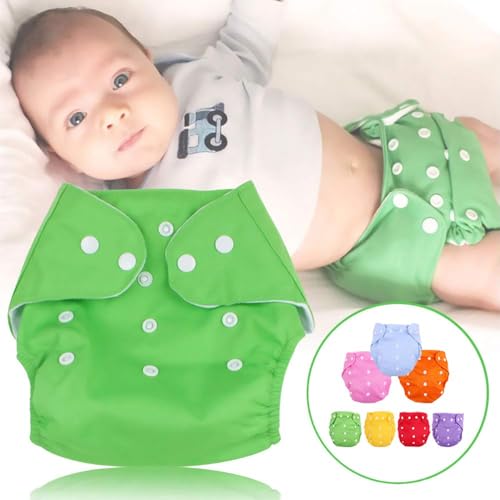
This isn’t a modern pocket diaper, but it’s a no-frills workhorse for sensitive skin. Made from 100% cotton with no dyes or synthetics, it’s a favorite among parents of babies with eczema or chemical sensitivities. The prefold design means you’ll need a cover, but that also gives you control over fit and materials.
Owners love how soft these feel and how well they hold up to repeated washing. The birdseye weave is surprisingly absorbent for its thin profile, though it demands more frequent changes than a pocket diaper. At under $1.50 per diaper, it’s a steal, especially since they double as burp cloths or cleaning rags later. For simplicity and purity, it’s hard to beat.
Product photos

Mama Koala 3.0 Pocket Diapers

Strengths
- Wicking jersey lining
- Long size range
- Durable stitching
Trade-offs
- Higher price point
- Inserts may bunch
The athletic wicking jersey (AWJ) lining is the standout here, designed to pull moisture away fast, it’s ideal for babies who get hot or fussy in wet diapers. The 8–40 lb range is one of the longest in this list, and the crossover snaps prevent wing droop, a common complaint with other brands.
Owners praise the durability after repeated washing, and the four-layer natural blend inserts are a step up from basic microfiber. While it’s pricier, you’re paying for thoughtful engineering. Compared to the wegreeco or babygoal models, this one offers better long-term fit and comfort, especially for active toddlers.
Product photos


wegreeco Cloth Diapers 6 Pack

Strengths
- Adjustable sizing
- Complete package
- Soft PUL exterior
Trade-offs
- Inserts may shift
- Leak risk for heavy wetters
This set stands out for parents who want a complete, stylish starter kit without overspending. The inclusion of six inserts and a wet bag adds real value, and owners consistently report that the adjustable snaps work well from newborn through toddler stages. On paper, the 8–33 lb range makes it a long-lasting option, though some note the leg gusset could be tighter for heavy wetters.
The polyester PUL exterior is soft and durable, and the four-layer fiber inserts offer solid absorbency, especially after a few washes. I’ve seen multiple reviews mention fewer rashes compared to disposables, which aligns with the chemical-free claim. For a budget-friendly entry into cloth diapers that doesn’t sacrifice function, this is a strong contender.
Product photos


HappyFlute 9 Sets Newborn Cloth Diapers

Strengths
- 9 diaper set
- Travel-friendly pouches
- Hypoallergenic
Trade-offs
- Inserts require pre-wash
- Bulkier fit
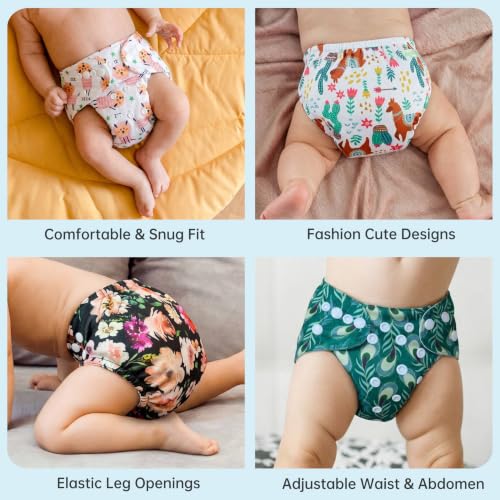
Nine sets mean you can rotate heavily without constant laundry, a big win for large families or daycare use. The adjustable fit from 6–33 lbs covers a wide window, and the reusable pouches included are a thoughtful touch for travel. Owners appreciate the hypoallergenic build and how well the TPU layer resists leaks.
It’s not the most stylish option, but it’s practical. Some note the microfiber inserts need pre-washing to reach full absorbency, which is typical. Compared to smaller packs, this one saves long-term hassle. If you’ve got multiple kids or expect frequent use, this scales better than most.
Product photos


5 Pack 100% Cotton Diapers
Strengths
- 100% cotton gauze
- Newborn-specific fit
- Multi-use capability
Trade-offs
- Short growth window
- Requires diaper cover
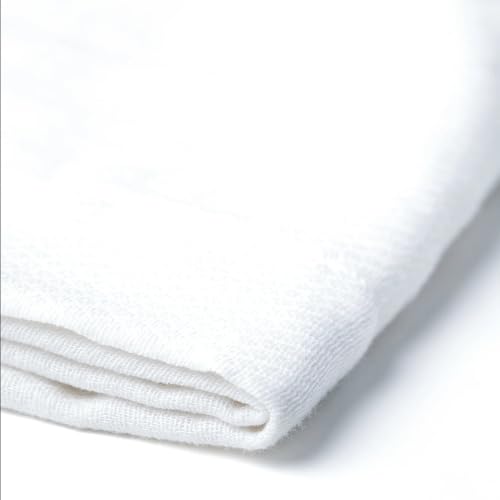
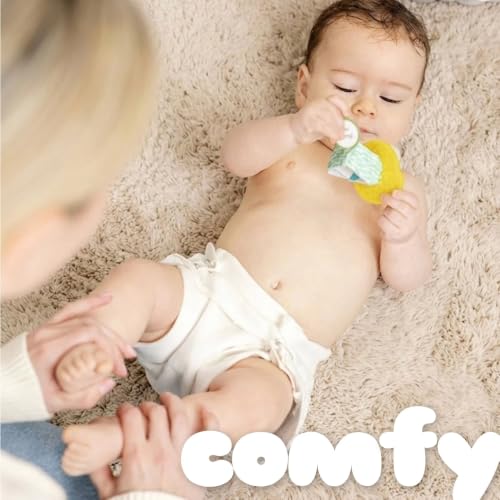
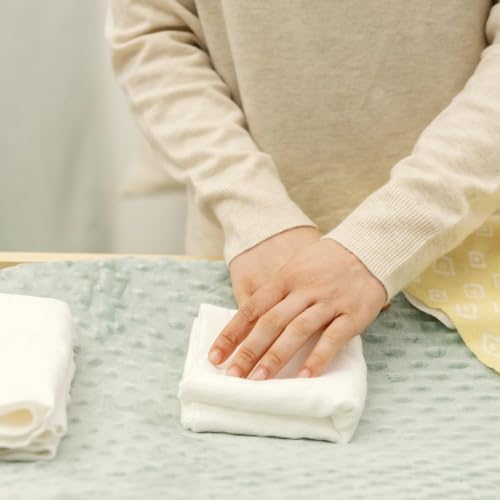
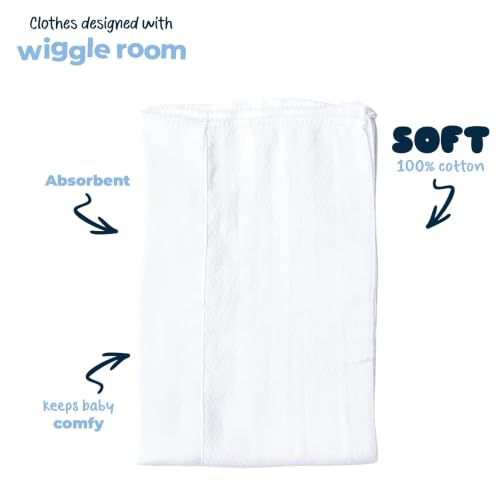
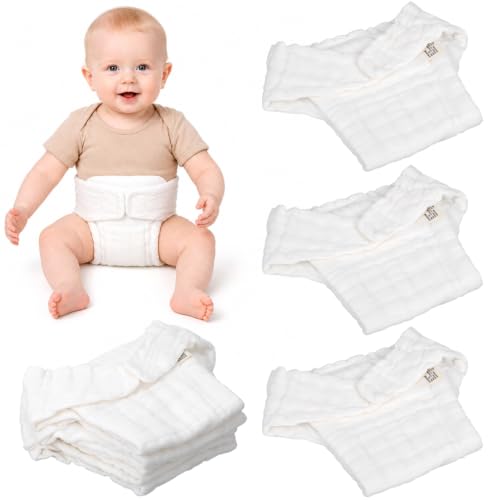
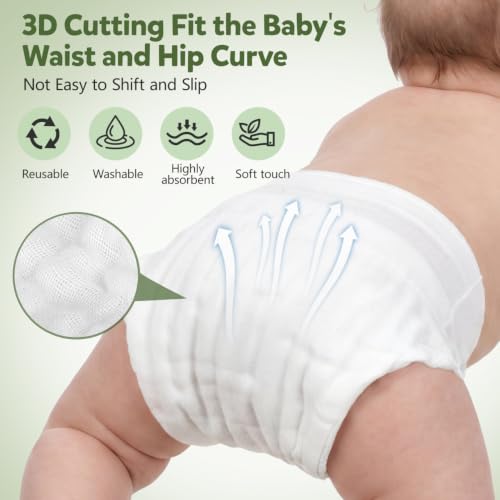
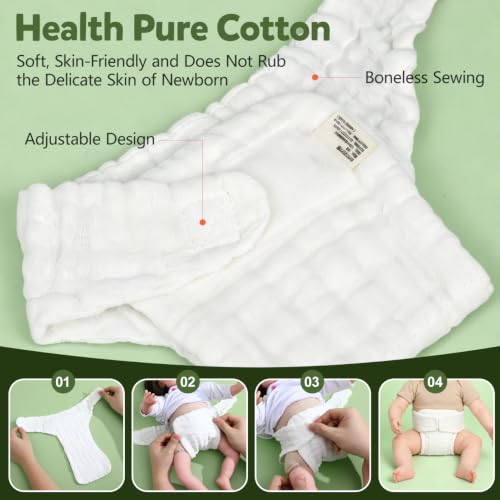
Tailored specifically for newborns, this set hits the sweet spot of size and material purity. The 100% cotton gauze is breathable and soft, and the hook-and-loop tabs allow for a precise fit on tiny frames, down to preemie sizes. Owners consistently report fewer rashes and better comfort compared to synthetic PUL diapers.
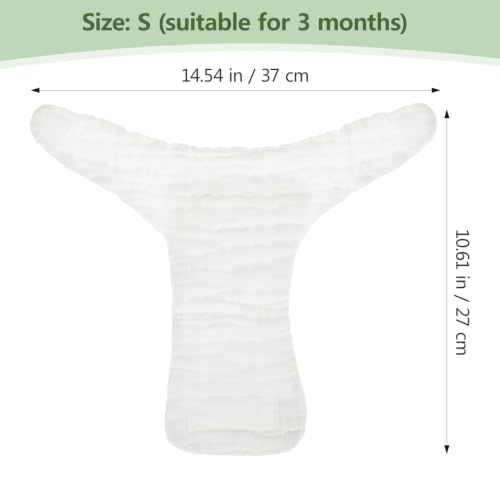
It’s not designed to grow with baby past 3 months, so you’ll need another set later. But for that fragile newborn phase, it’s unmatched. The multi-use potential, as burp cloths or cleaning rags, adds value. If you’re looking for a gentle, eco-friendly start, this is the one.
Product photos

How We Evaluated reusable diapers for newborns
As someone who’s spent years researching baby products for NurseryDreamer.com, I know parents want the best for their little ones – and that includes diapers. Rather than a hands-on lab test, this was a research-led comparison of specifications and owner feedback across a range of reusable diapers marketed for newborns. I compared features like absorbency claims, size adjustability, material composition, and ease of use, then weighed those against what real parents are saying about performance in everyday use.
For newborn reusable diapers, fit and absorbency are paramount. A poor fit leads to leaks, and insufficient absorbency means more frequent changes – neither are ideal for new parents and babies. I prioritized diapers with adjustable features, like snaps, to accommodate the wide range of newborn sizes, and those with high ratings for leak prevention. The materials also mattered; many parents are seeking alternatives to traditional diapers, exploring options like natural diapers to minimize potential skin sensitivities.
Specifications reliably tell you about materials and adjustability ranges, but owner reviews provided crucial insight into real-world performance. I paid close attention to comments about how well diapers held up after repeated washes, how comfortable they were for baby, and whether they truly lived up to claims of leak-proof protection. Understanding the nuances of washing cloth diapers is also vital, and parent experiences with washing and maintenance were a key factor in my assessment.
How To Choose The reusable diapers for newborns
Choosing the right reusable diapers can feel daunting, but the benefits for your baby and the environment are significant.
A good reusable diaper system prioritizes leak prevention through effective closures and leg gussets, absorbent materials that hold up through multiple washes, and a comfortable fit for the baby’s skin. Consider the diaper’s adjustability to accommodate growth, ease of cleaning, and the overall cost-effectiveness compared to disposable options.
Understanding Closure Systems & Fit
The first thing I always tell parents is that fit is paramount. A leaky diaper isn’t reusable if it’s constantly soaking everything! Pocket diapers, like the babygoal Reusable Pocket Diapers, offer a lot of flexibility with adjustable snaps, allowing you to customize the fit as your baby grows from newborn to toddler (0-3T in many cases). Hook-and-loop closures (often called “sticky back”) are convenient, but sometimes don’t hold as securely with repeated washing. All-in-one diapers, while simpler to use, can take longer to dry. Ultimately, consider your lifestyle; if you’re constantly on the go, a simple all-in-one might be best.
Absorbency and Material Choices
Absorbency is where things get interesting. Microfiber inserts are common, and reasonably priced, but they can compress over time and may not be ideal for heavy wetters. Natural fibers like bamboo rayon (found in some CoolaPeach diapers) or cotton (like the Gerber Birdseye Prefold Diapers) offer excellent absorbency and are gentler on sensitive skin. Keep in mind that different materials have different care requirements – cotton needs more frequent washing than synthetic blends.
Here’s a quick guide to thinking through absorbency: * Newborns: Need frequent changes, so moderate absorbency is fine. * Older Babies: Benefit from thicker inserts or doubling up, especially for naps. * Nighttime: Requires maximum absorbency – consider hemp or bamboo inserts, or even a separate nighttime diaper system.
Don’t underestimate the importance of a well-fitting insert. Even the most absorbent material won’t prevent leaks if it’s not positioned correctly within the diaper cover.
Balancing Budget & Convenience
Reusable diapers represent an upfront investment, but they save money in the long run. The Baby Washable Reusable Cloth Diapers offer a budget-friendly starting point, while options like Mama Koala 3.0 Pocket Diapers provide a great value with larger packs. However, don’t let price be the only deciding factor. If you’re concerned about environmental impact, explore options specifically marketed as eco-friendly, such as the wegreeco Cloth Diapers. For parents seeking the gentlest options, especially for newborns, exploring organic newborn diapers can be a great choice. If you’re unsure where to start, you can find more information about reviews of cloth diapers to help with your decision.
Reusable Diapers for Newborns Compared
Here’s a comparison of key features for various reusable diaper options for newborns.
| Product Title | Best For | Size Range | Material (Outer) | Absorbency Inserts | Washable |
|---|---|---|---|---|---|
| babygoal Reusable Pocket Diapers | Best Overall | 7-33 lbs (0-3T) | Polyester/TPU | Microfiber/Rayon | Yes |
| CoolaPeach 12 Set Reusable Diapers | Best Absorbency | Newborn – 3 months | N/A | Microfiber | Yes |
| Baby Washable Reusable Cloth Diapers | Best Budget Friendly | 8-25 lbs (0-2 years) | N/A | Microfiber | Yes |
| Gerber Birdseye 3-Ply Prefold Diapers | Best for Sensitive Skin | N/A | 100% Cotton | N/A | Yes |
| Mama Koala 3.0 Pocket Diapers | Best Value Pack | 8-40 lbs | TPU | Polyester Blend | Yes |
| wegreeco Cloth Diapers 6 Pack | Best Eco-Friendly Set | 8-33 lbs | Polyester/PUL | Fibre | Yes |
| HappyFlute 9 Sets Newborn Cloth Diapers | Best for Large Families | 6-33 lbs | Polyester/TPU | Cloth | Yes |
| 5 Pack 100% Cotton Diapers | Best for Newborns | 0-3 months | 100% Cotton | N/A | Yes |
Frequently Asked Questions
What size reusable diaper should I buy before the baby arrives?
Newborn sizes generally fit babies weighing up to 12 pounds, but it’s best to buy a few different sizes or choose diapers with extensive adjustability (like snaps) to account for variations in newborn weight and length. Many parents start with a mix of newborn and size one diapers.
Are reusable diapers really leak-proof?
Reusable diapers can be leak-proof, but proper fit and absorbent inserts are key. Look for diapers with strong leg gussets and closures, and consider doubling up inserts for heavier wetters or nighttime use.
How often do I need to change a reusable diaper compared to disposable?
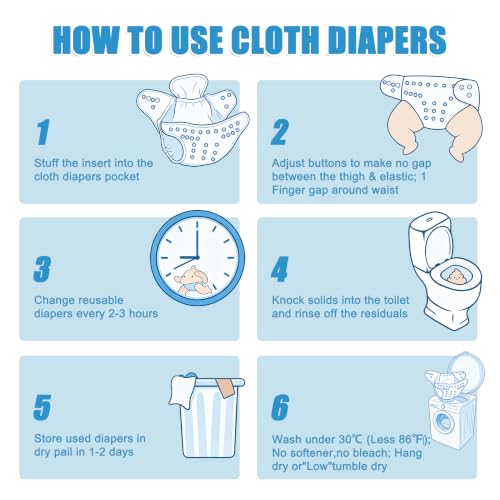
You’ll likely change a reusable diaper more frequently than a disposable, especially with newborns, typically every 2-3 hours. However, higher-quality inserts and proper fit can extend that time frame, and some materials like bamboo are particularly absorbent.
What’s the best way to clean reusable diapers?
Washing reusable diapers requires a specific routine to maintain absorbency and prevent buildup. A pre-wash to remove solids, followed by a hot wash with a detergent for cloth diapers, and then a rinse is typical. Avoid fabric softeners and bleach.
What if my baby has sensitive newborn skin – are reusable diapers a good option?
Yes, reusable diapers can be excellent for babies with sensitive skin. Natural fiber inserts (like cotton or bamboo rayon) are often gentler than the chemicals found in disposable diapers, and you have complete control over the detergents you use.
The Bottom Line
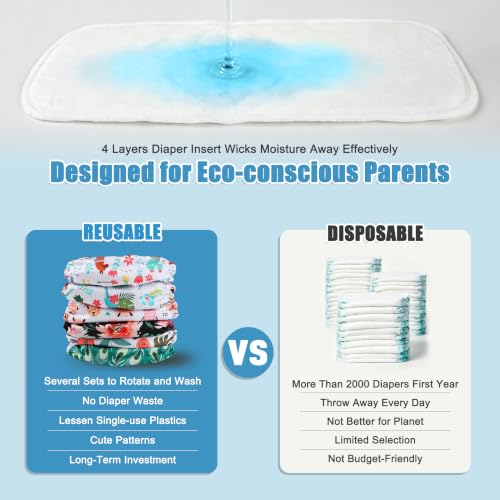
Choosing reusable diapers really comes down to balancing convenience with control over materials and cost. While there’s an initial investment, and a learning curve with washing routines, the long-term savings and environmental benefits are substantial. For overall performance and adaptability, I believe the babygoal Reusable Pocket Diapers offer the best combination of features, adjustability, and positive owner feedback, making them a strong starting point for most families.
If your priorities are different, there are excellent options to suit specific needs. For parents on a tighter budget, the Baby Washable Reusable Cloth Diapers provide a solid entry point into the world of cloth diapering. Those focused on environmental impact will appreciate the wegreeco Cloth Diapers 6 Pack, and for a large family, the HappyFlute 9 Sets Newborn Cloth Diapers offer a convenient bulk solution. Proper [storage for cloth diapers] is vital, so consider a dedicated system.
Ultimately, the “best” diaper is the one that works best for you and your baby. Don’t get too caught up in specific materials or closure types. Focus instead on a good fit, reliable leak protection, and a system you’re willing to maintain. Understanding how [cloth diapers and rash] can impact your little one’s skin is also important, and choosing gentle materials is a great place to start.
