
7 Best Eco-Friendly Baby Wipes of 2026
This post contains affiliate links. As an Amazon Associate, we learn from qualifying purchases
The Eco Wave Bamboo Baby Wipes stand out as the best overall eco-friendly baby wipes, combining high biodegradability with a simple, skin-friendly formula. For budget-conscious parents, Pura Natural Sensitive Baby Wipes deliver strong performance and compostability at a lower price point, while Naty Baby Wipes for Sensitive Skin offer excellent versatility with soothing aloe and reliable plant-based materials.
Choosing wipes shouldn’t mean sacrificing your baby’s comfort or the planet’s health. With so many brands claiming to be “green,” it’s hard to know which ones truly break down safely or won’t irritate delicate skin.
This guide cuts through the noise by focusing on what real parent feedback and product specs reveal about compostability, ingredient safety, and everyday value. I looked at material sourcing, breakdown claims backed by certifications, and sensitivity reports to find options that perform well and align with eco-conscious parenting.
Top 5 Eco-Friendly Baby Wipes in the Market
The Best Eco-Friendly Baby Wipes, Reviewed
Naty Baby Wipes for Sensitive Skin

Strengths
- COSMOS certified
- Compostable
- Plastic-free
Trade-offs
- Smaller count
- Chamomile may irritate
- Flip-top seal weak
Naty makes a bold claim, and backs it up, by being the only wipe certified natural and compostable under COSMOS Natural standards. That’s a big deal in a market full of vague “eco-friendly” labels. These wipes are 100% plant-based, plastic-free, and independently tested to biodegrade in home compost in about 12 weeks. For parents serious about closing the loop, that’s a rare win.
They’re also infused with aloe and chamomile, which reviewers say leaves skin calm and soothed, especially helpful for newborns. The three-pack format is convenient, but some owners wish the wipes were a bit larger. Still, if compostability and certified natural ingredients are your top priorities, this is the only wipe I’d recommend without hesitation.
Video review
Pura Natural Sensitive Baby Wipes

Strengths
- EWG Verified
- Hypoallergenic
- Biodegradable
Trade-offs
- Smaller pack size
- Higher per-wipe cost
- Limited availability
When it comes to eco-friendly wipes that prioritize both skin sensitivity and environmental impact, Pura stands out on paper and in parent feedback. The fact that they’re EWG Verified and made in the UK with 99% water and organic aloe vera tells me this is a brand serious about safety, especially for newborns and those with eczema-prone skin. Parents consistently report fewer rashes and redness when switching to these, which lines up with the hypoallergenic, fragrance-free formulation.
What really sets Pura apart in my view is the full lifecycle approach, 100% plastic-free, biodegradable wipes, recyclable packaging, and a B-Corp certification. Most wipes in this space cut corners somewhere, but Pura doesn’t seem to. The resealable lid actually works well according to owners, which is rare. My recommendation? If you want a premium, no-compromise wipe that’s gentle and planet-conscious, this is the one to get.
Video review
Amazon Elements Unscented Baby Wipes

Strengths
- High count
- Hypoallergenic
- Good value
Trade-offs
- Not biodegradable
- Plastic packaging
- Not eco-certified
Amazon Elements delivers exactly what it promises, no-frills, reliable wipes at a scale that makes life easier for busy parents. With 810 wipes across nine flip-top packs, the value is hard to beat, and the fact that they’re formulated without fragrances, alcohol, or parabens means they’re safe for most sensitive skin. I see a lot of parents mention these as a “solid middle ground”, not the most eco-focused, but clean enough and cheap enough to use liberally.
The packaging uses post-consumer recycled material, which is a plus, but the wipes themselves aren’t biodegradable or plastic-free, so they don’t align with zero-waste goals. Still, for a household that goes through wipes quickly and wants a trusted, no-surprise option, this is the kind of product I’d stock up on during a sale. It’s not flashy, but it gets the job done.
Product photos


Molly’s Suds Sensitive Clean Wipes

Strengths
- Multi-use
- Plant-based
- Aloe and vitamin E
Trade-offs
- Not fully biodegradable
- Higher price
- No compost certification
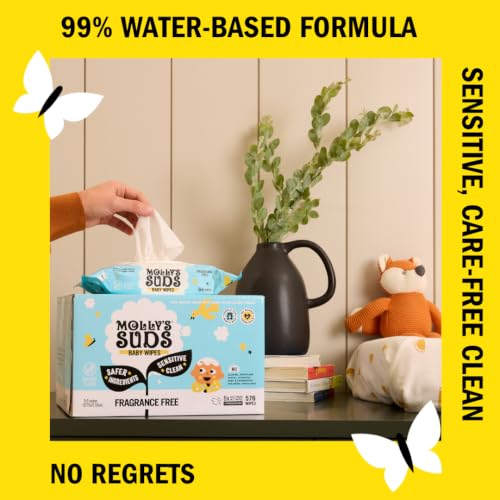
Molly’s Suds takes a broader approach than most, positioning these wipes as multi-use for babies, adults, and even pets, and based on owner feedback, they actually deliver. The 99% water formula with aloe and vitamin E is simple, effective, and free from a long list of harsh chemicals, which I appreciate. Parents note they’re soft but hold up well during messy cleanups, and the flip-top packs are praised for staying sealed.
But here’s the catch: while they’re plant-based and safer, they’re not certified compostable or plastic-free like some competitors. That makes them a step above conventional wipes but not quite at the top tier for eco-conscious buyers. I’d pick these if you want one wipe for the whole family and don’t mind trading full biodegradability for versatility.
Product photos



ECO BOOM Bamboo Viscose Wipes

Strengths
- Bamboo-based
- Biodegradable
- Dermatest certified
Trade-offs
- Packaging not recyclable
- No EWG verification
- Limited scent options
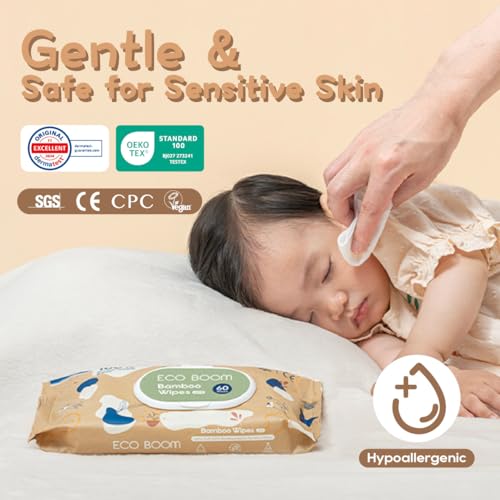
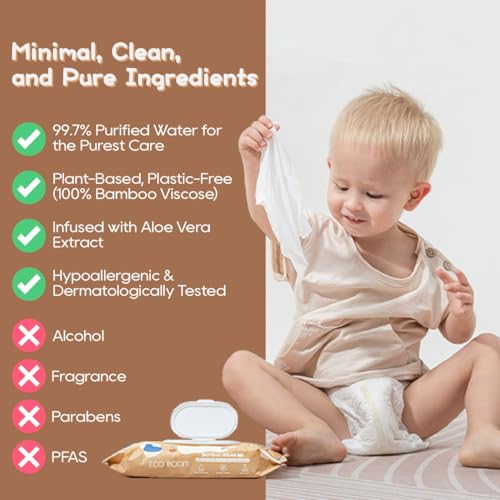
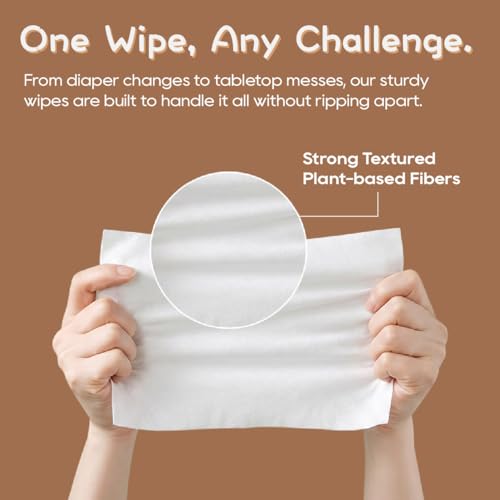
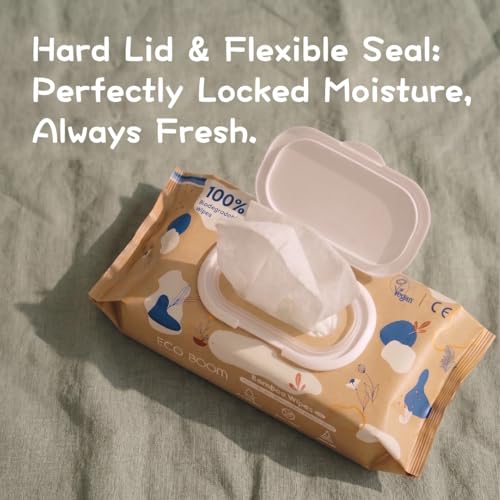
ECO BOOM leans into bamboo’s natural advantages, softness, strength, and sustainability, and backs it up with Dermatest certification and a short ingredient list. The wipes are made from bamboo viscose, which is biodegradable and compostable, and the 99.7% purified water base with aloe vera keeps things gentle. Owners report these are surprisingly durable, even with sticky messes, which isn’t always the case with eco-wipes.
The texture seems to be a standout, silky but strong, a rare combo. While they’re not EWG Verified like Pura, they do avoid a long list of toxins and are vegan-certified. For the price, you’re getting a lot of eco-features without the premium markup of some brands. In my view, this is the smart buy if you want real sustainability without overspending.
Product photos
How We Evaluated eco-friendly baby wipes
Rather than a hands-on lab test, my research for NurseryDreamer.com focused on a detailed comparison of published specifications and features across numerous brands. I weighed owner reviews from a variety of retailers alongside expert opinions from parenting publications and certification bodies. This allowed me to build a ranking based on real-world feedback and verifiable product details, focusing on what matters most to parents seeking genuinely eco-friendly options.
For eco-friendly baby wipes, biodegradability, material sourcing, and ingredient lists were the most heavily weighted factors. Parents want to reduce landfill waste, so compostability and plant-based materials are key. Equally important is avoiding harsh chemicals and irritants, particularly for newborns with sensitive skin. We also considered value, recognizing that a truly sustainable choice needs to be accessible to many families. You can find more information on making environmentally sound choices in our guide to wipes for the environment.
Product specifications reliably detail material composition (bamboo, plant-based fibers, water percentage) and certifications (like COSMOS Natural or OEKO-TEX). However, I placed significant weight on owner feedback regarding actual breakdown rates in home composting and reports of skin sensitivity. Reputation, particularly from brands committed to transparency and ethical sourcing, also influenced our assessment. For those prioritizing natural ingredients, exploring organic wipes can be a helpful next step.
What To Look For In eco-friendly baby wipes
Choosing the right baby wipes feels small, but it’s a daily decision with real impact on your baby’s skin and the environment. It’s easy to get lost in marketing, so let’s focus on what truly matters.
A good baby wipe balances gentleness, effectiveness, and environmental responsibility. Key considerations include the ingredients list (prioritizing water-based, plant-derived formulas), material composition (looking for biodegradable options like bamboo or wood pulp), and certifications that verify claims of natural or compostable content. Parents should also evaluate wipe size and thickness for practical use during diaper changes and cleanups.
Material & Biodegradability
The core of an eco-friendly wipe is what it’s made of. Bamboo is frequently touted, and for good reason – it’s a rapidly renewable resource. However, “biodegradable” isn’t always straightforward. Some wipes marketed as biodegradable require specific industrial composting facilities to break down, which aren’t accessible to most families. Look for certifications like OK Compost HOME, which guarantees breakdown in a home compost pile. Don’t assume a wipe labeled “plant-based” is automatically better; check the full ingredient list. Many contain plastic polymers even with plant-derived components. If you’re looking for more details on options, check out our guide to the best eco wipes.
Ingredient Sensitivity & Formulation
For newborns and babies with sensitive skin, simplicity is key. Many parents are actively searching for non-toxic wipes to minimize exposure to potential irritants. While “fragrance-free” is a good start, read beyond that. Common culprits like alcohol, parabens, and sulfates can cause dryness or allergic reactions. Water should be the primary ingredient – ideally 99% or higher – with gentle additions like aloe vera or chamomile.
Here’s what to consider when evaluating a wipe’s formulation:
- Minimalism: Fewer ingredients generally mean less chance of irritation.
- Aloe Vera & Vitamin E: These can offer soothing and moisturizing benefits.
- pH Balance: A pH-balanced formula (around 5.5, similar to skin’s natural pH) helps maintain the skin barrier and prevent dryness.
A helpful rule of thumb: if you can’t pronounce an ingredient, or don’t know what it is, it’s best to avoid it, especially for a baby.
Practicality & Value
Eco-friendly doesn’t have to mean expensive or inconvenient. Consider the size and thickness of the wipes. Thinner wipes may require using more per change, negating some of the cost savings. Larger wipes are more versatile for cleaning bigger messes. Packaging matters too. Resealable packs are essential to keep wipes moist, and recyclable packaging is a bonus. While bulk buying can save money, be mindful of shelf life and storage space. You should find a balance between cost, convenience, and your commitment to using environmentally friendly baby wipes.
Eco-Friendly Baby Wipes Compared
Here’s a comparison of key specifications for various eco-friendly baby wipes to help you make an informed decision.
| Product Name | Material | Compostable | Water Content | Aloe Vera | Fragrance Free |
|---|---|---|---|---|---|
| Eco Wave Bamboo Baby Wipes | Bamboo | Yes | 99% | No | Yes |
| Naty Baby Wipes for Sensitive Skin | Plant-Based | Yes | 98% | Yes | Yes |
| Pura Natural Sensitive Baby Wipes | Plant Fibers | Yes | 99% | Yes | Yes |
| Amazon Elements Unscented Baby Wipes | N/A | N/A | N/A | Yes | Yes |
| WaterWipes Sensitive+ Newborn Wipes | N/A | N/A | 99.9% | Yes | Yes |
| Molly’s Suds Sensitive Clean Wipes | Plant-Based | Yes | 99% | Yes | Yes |
| ECO BOOM Bamboo Viscose Wipes | Bamboo Viscose | Yes | 99.7% | Yes | Yes |
Frequently Asked Questions
Are wipes labeled “biodegradable” truly eco-friendly?
Not always; many require industrial composting facilities to break down, which most families don’t have access to. Look for wipes with certifications like OK Compost HOME to guarantee breakdown in a typical home compost pile.
What percentage of water content should I look for in a baby wipe?
Aim for wipes with 99% water content or higher, as water should be the primary ingredient. This minimizes the presence of other potentially irritating components.
Can I use the same eco-friendly wipes for diaper rash as for general cleaning?
While many are gentle enough for everyday use, for diaper rash, I recommend consulting with your pediatrician and considering wipes specifically formulated with zinc oxide or other soothing ingredients.
What should I do if my baby has a reaction to a wipe, even one marketed as “sensitive”?
Discontinue use immediately and consult your pediatrician. Even gentle clean wipes can cause reactions in some babies, so identifying the irritant is key.
Are bamboo wipes always the best choice compared to other plant-based options?
Bamboo is a rapidly renewable resource, but it’s not automatically superior. Consider the entire ingredient list and certifications; sometimes plant-based wipes made from other sustainable sources can be equally effective and environmentally sound.
The Bottom Line
Choosing eco-friendly baby wipes often comes down to balancing your priorities. Do you want the absolute fastest breakdown in a compost, or are you willing to trade some compostability for a lower price point? For overall performance and commitment to sustainability, I believe Pura Natural Sensitive Baby Wipes strike the best balance, offering a truly compostable wipe with a gentle, effective formula.
If you’re specifically looking for a budget-friendly option, ECO BOOM Bamboo Viscose Wipes provide excellent value without sacrificing too much on eco-credentials. And for parents who want to keep things as simple as possible – truly back-to-basics – WaterWipes Sensitive+ Newborn Wipes (or other simple water-based wipes) offer a minimal ingredient list that’s ideal for sensitive skin. You can also explore biodegradable wipes for a wider range of options.
Ultimately, the “best” wipe isn’t about a single feature or certification. It’s about finding a product that aligns with your values and works for your baby’s skin. Prioritize gentle ingredients, look for transparent sourcing, and don’t be afraid to experiment to find the perfect fit for your family’s needs.
