
7 Best Non Toxic Diaper Rash Creams of 2026
This post contains affiliate links. As an Amazon Associate, we learn from qualifying purchases
The best overall non toxic diaper rash cream is Babo Botanicals Sensitive Baby Cream, thanks to its 25% zinc oxide and clean, plant-based formula. For a budget-friendly option, Triple Paste delivers strong protection with 12.8% non-nano zinc oxide and is widely recommended by pediatricians. If you prefer a zinc-free alternative, Clean + Kind Organic Tallow Cream is a gentle, effective choice for sensitive skin.
Choosing a diaper rash cream means balancing safety, effectiveness, and simplicity. With so many products labeled “natural” or “non toxic,” it’s hard to know which ones truly avoid harsh chemicals while still working.
As the founder of NurseryDreamer.com, I’ve researched dozens of creams, comparing ingredient lists and real parent feedback to find the ones that stand up to scrutiny. This guide cuts through the noise, focusing on what actually matters: proven barrier protection, minimal irritants, and formulas trusted by real families.
Top 6 Non Toxic Diaper Rash Cream in the Market
The Best Non Toxic Diaper Rash Cream, Reviewed
Honest Company Diaper Rash Cream 6 oz

Strengths
- 6 oz value size
- Hypoallergenic
- Phyto-blend infusion
Trade-offs
- Thicker application
- Higher cost
- Not the fastest absorbing
The Honest Company’s 6 oz tube delivers both size and substance, making it a strong contender for ‘best overall’ despite a higher price. With a rapid-relief zinc oxide formula and a Soothing Phyto-Blend that includes chamomile and calendula, it’s designed to treat, protect, and calm in one step. The larger size means fewer repeat purchases, and parents consistently rate it highly for daily use and overnight protection.
It’s hypoallergenic, physician-tested, and avoids a long list of controversial ingredients, no lanolin, mineral oil, or synthetic fragrances, which builds trust. Some note it doesn’t absorb as quickly as thinner creams, but most agree it forms a reliable barrier. While not the most minimal formula, it balances safety, performance, and convenience better than most. For families wanting a dependable, well-rounded option, this is hard to beat.
Video review
Honest Company Diaper Rash Cream Spray

Strengths
- No-mess spray
- Touch-free application
- Portable size
Trade-offs
- Inconsistent coverage
- Shorter lifespan
- Less barrier density
Sprayable diaper cream still feels like a novelty, but this Honest Company version actually works, especially during middle-of-the-night changes or public outings. It delivers zinc oxide in a fine mist, which parents say reduces direct contact with a sore area, making it ideal for babies who squirm or have painful rashes. The touch-free aspect is a standout for some, and it’s still hypoallergenic and free from common irritants.
But it’s not perfect. The spray pattern can be uneven, and a few owners report needing multiple coats to achieve full coverage. It also runs out quickly, 2 fl oz doesn’t last long with liberal spraying. Still, for on-the-go relief or sensitive skin that hates rubbing, it fills a unique niche. I wouldn’t replace my regular cream with this full-time, but I’d keep one in the diaper bag.
Video review
Triple Paste Diaper Rash Cream
Strengths
- Pediatrician recommended
- Non-nano zinc
- Oat extract for soothing
Trade-offs
- Lower zinc concentration
- No added botanicals
- Can feel greasy
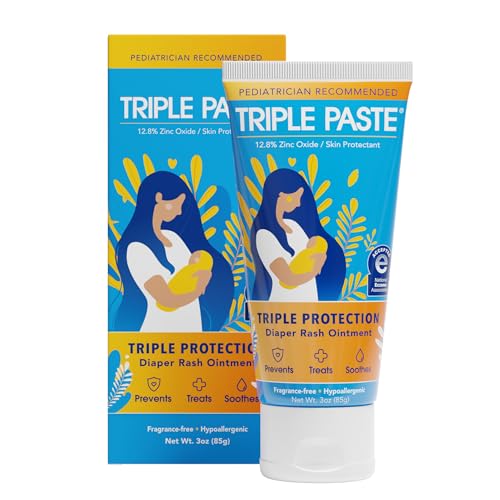
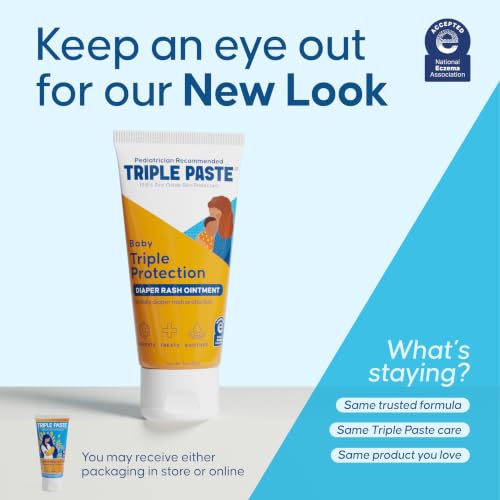
Triple Paste is one of those products that keeps appearing in pediatrician offices and real parent medicine cabinets alike. With 12.8% non-nano zinc oxide, it’s not the highest in zinc concentration, but its triple-action formula, zinc, oat extract, and beeswax, seems to work synergistically. Many parents say it calms severe rashes faster than single-ingredient alternatives, and the texture strikes a good balance between protection and spreadability.
It’s also one of the most affordable medicated creams on the list, which explains its popularity. The formula is free from common irritants like fragrance and parabens, and the 3 oz size offers more applications than smaller tubes. While it doesn’t have the botanical richness of some competitors, its straightforward efficacy makes it a go-to for practical, no-nonsense care. I’d recommend it as a first-line defense for most families.
Product photos



Babo Botanicals Sensitive Baby Fragrance-Free Diaper Cream

Strengths
- 25% zinc oxide
- Fragrance-free
- EWG Verified
Trade-offs
- Thick, hard to clean off
- May stain fabrics
- Higher price point
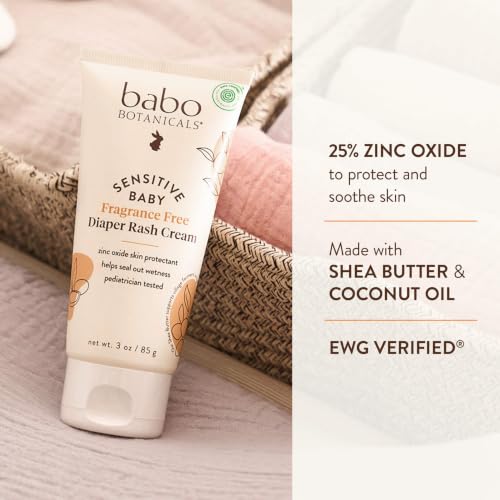
With a full 25% zinc oxide, right at the FDA’s maximum over-the-counter limit, this Babo cream delivers serious protection on paper, and parents confirm it holds up well overnight. The addition of shea and cocoa butter makes it more emollient than most high-zinc options, which helps prevent chafing without sacrificing barrier strength. It’s also EWG Verified and free of fragrance and essential oils, making it a solid pick for reactive skin.
I appreciate that it’s designed specifically for extra-sensitive babies, and the herbal blend includes calendula, known for calming properties. However, its richness means it can be harder to wash off during changes, and a few parents mention it stains cloth diapers. If you’re dealing with frequent rashes and want a medicated-strength yet plant-forward formula, this hits a sweet spot between efficacy and gentleness.
Product photos

Badger Baby Diaper Rash Cream
Strengths
- Only 4 ingredients
- Fragrance-free
- Organic ingredients
Trade-offs
- Thicker consistency
- Less spreadable
- Smaller tube size
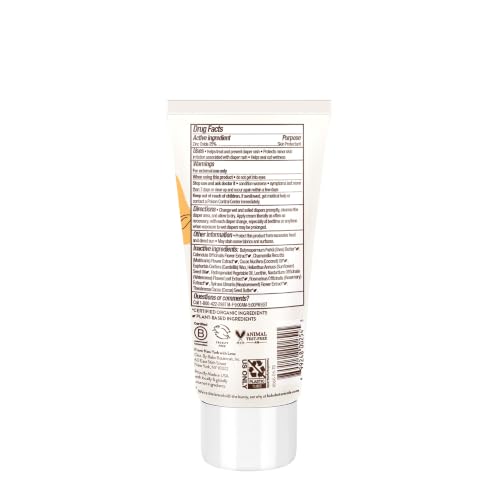
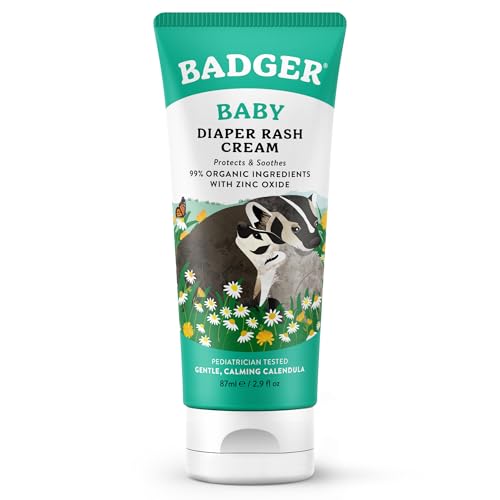
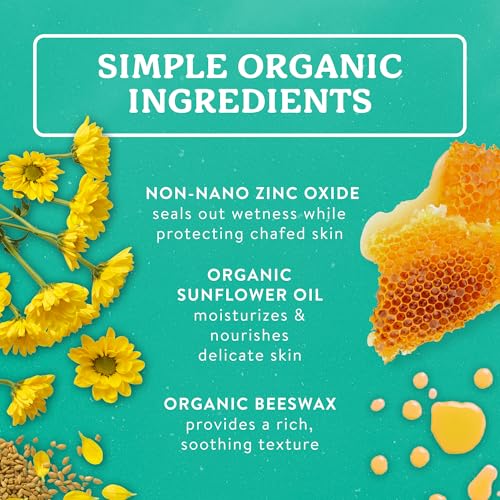
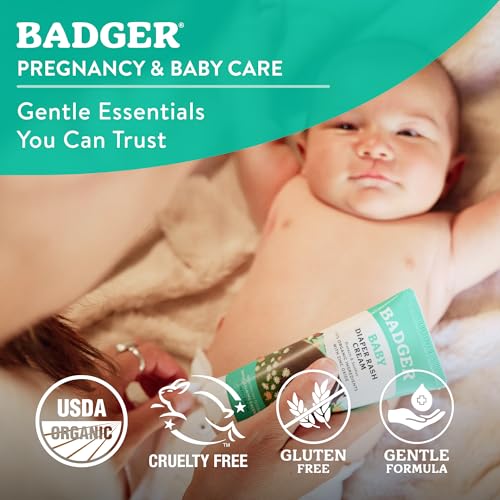
When it comes to minimizing exposure to potential irritants, this Badger formula stands out because it contains only four ingredients: zinc oxide, organic sunflower oil, organic beeswax, and vitamin E. That kind of simplicity is rare, even in the ‘clean’ baby care space, and parents who prioritize ingredient transparency will appreciate how stripped-down this is. It’s fragrance-free and built around mineral-based protection, which aligns with what dermatologists often recommend for sensitive newborn skin.
The trade-off for that purity is a slightly thicker, less spreadable texture compared to creams with added emollients. Some parents report it doesn’t glide as easily during rushed changes, though it does form a reliable moisture barrier. For those who want maximum ingredient minimalism and don’t mind a bit of extra rubbing, this is a standout. I’d choose it over more complex formulas if my baby had a history of reacting to botanicals or preservatives.
Product photos


BOTAO Baby’s Natural Diaper Cream

Strengths
- EWG Verified
- Vegan formula
- Aloe and calendula
Trade-offs
- Zinc level unclear
- Less durable barrier
- Some report pilling
At first glance, the two-pack offering makes this BOTAO cream feel like a smart budget buy, especially since it’s EWG Verified and loaded with recognizable botanicals like aloe vera, chamomile, and calendula. The inclusion of shea butter adds moisture without greasiness, and parents consistently report it soothes flare-ups faster than basic zinc-only options. It’s also vegan and cruelty-free, which matters to many modern families.
Still, the zinc oxide concentration isn’t clearly stated on the label, which is a red flag in this category. Most effective creams sit between 20–40%, and without that detail, it’s hard to assess protection strength. Some reviewers note it doesn’t hold up as well through overnight wetness compared to heavier barriers. If you’re looking for value and plant-powered soothing, this works, but not if you need maximum rash prevention in high-moisture situations.
Product photos


How We Picked These non toxic diaper rash cream
As a parent and creator of NurseryDreamer.com, I understand the desire for gentle, effective products for your baby. Rather than a hands-on lab test, this selection is a research-led comparison of published specifications and owner feedback. I looked at a wide range of creams, weighing ingredient lists, reported effectiveness, and what other parents are saying about their experiences. My goal was to identify products aligning with a preference for safer, simpler formulations.
For non toxic diaper rash creams, the zinc oxide percentage and the “free from” list were heavily weighted. Higher percentages of zinc oxide generally indicate stronger barrier protection, but it’s crucial that the overall formula avoids harsh chemicals. I also prioritized creams with soothing botanicals, as these can offer additional comfort and support skin health. Ultimately, finding a balance between potency and gentleness was key.
Product specifications reliably tell you about the active ingredients and what a cream doesn’t contain. However, owner feedback provides vital insight into how a cream actually performs. I carefully analyzed reviews to gauge real-world effectiveness, ease of application, and whether parents noticed any adverse reactions. You’ll find many parents searching for natural diaper rash cream options, and their experiences were particularly valuable in shaping these recommendations. Understanding diaper rash cream basics is also important when making a choice.
Choosing The Right non toxic diaper rash cream
Choosing the right diaper rash cream can feel overwhelming, but finding a formula that truly protects your baby’s delicate skin is so important. It’s a product you’ll likely use frequently, so understanding what to look for will save you time and worry.
A good diaper rash cream creates a protective barrier against moisture, soothes existing irritation, and ideally contains ingredients that promote healing. Parents should examine the ingredient list for potential allergens or irritants, consider the texture and ease of application, and assess whether the formula aligns with their preferences for natural or medicated options. Zinc oxide concentration is a key factor, as is the presence of additional soothing botanicals.
Zinc Oxide Concentration
The workhorse ingredient in most diaper rash creams is zinc oxide. It’s what creates that protective barrier we’re after. However, the percentage of zinc oxide matters. Lower concentrations (around 10%) are fine for prevention and mild redness, but if your little one is experiencing a truly stubborn rash, you’ll want to look for creams with 15-40% zinc oxide. Triple Paste, for example, uses 12.8% non-nano zinc oxide, which many pediatricians recommend. It’s also worth considering the type of zinc oxide; “non-nano” particles are larger and less likely to be absorbed into the skin, which may be a concern for some parents.
Formulation & Ingredients
Beyond zinc oxide, the other ingredients are crucial, especially if your baby has sensitive skin. Many parents are actively seeking a safe diaper cream that avoids common irritants. Look closely at labels and avoid products containing parabens, phthalates, artificial fragrances, dyes, and lanolin (a potential allergen). Many brands, like Honest Company and Babo Botanicals, emphasize “free-from” formulations.
Here’s what I often advise parents to consider when evaluating ingredient lists: * A short list is generally better. Fewer ingredients mean fewer potential irritants. * Shea butter and calendula are fantastic additions. They offer moisturizing and soothing benefits. * Be aware of “natural” marketing. “Natural” isn’t a regulated term, so always read the full ingredient list – even creams marketed as natural can contain potentially irritating substances.
Application Method & Value
Think about how you prefer to apply the cream. Traditional tubes are reliable, but can be messy. Sprays, like the Honest Company sprayable option, offer a hands-free application which can be very convenient, especially during middle-of-the-night changes. However, sprays might not provide as thick of a barrier as a traditional paste. When it comes to value, consider the size of the container. If you’re using a cream frequently, a larger size like the Babo Botanicals value size can be more economical. And if your baby frequently experiences irritation, you might want to invest in a cream for sensitive skin to keep on hand.
A little goes a long way. Apply a thick, visible layer of cream with each diaper change to create a truly effective barrier. Don’t skimp!
Non Toxic Diaper Rash Cream Compared
Here’s a comparison of several non-toxic diaper rash creams, focusing on key specifications to help you choose the best option for your baby.
| Product Name | Zinc Oxide (%) | Fragrance Free | Key Ingredients | Size (oz) | Notable Features |
|---|---|---|---|---|---|
| Honest Company Diaper Rash Cream | N/A | Yes | Phyto-Blend, Zinc Oxide | 6 | NEA Recognized, Cruelty Free |
| Honest Company Diaper Rash Cream Spray | N/A | Yes | Zinc Oxide | N/A | Spray Application, Cruelty Free |
| Triple Paste Diaper Rash Cream | 12.8 | Yes | Zinc Oxide, Oat Extract, Beeswax | N/A | Pediatrician Recommended |
| Babo Botanicals Sensitive Baby Cream | 25 | Yes | Zinc Oxide, Shea Butter | N/A | Plant-Based, Organic Herbal Blend |
| Badger Baby Diaper Rash Cream | N/A | Yes | Zinc Oxide, Sunflower Oil, Beeswax, Vitamin E | N/A | 4 Simple Ingredients |
| BOTAO Baby’s Natural Diaper Cream | N/A | Yes | Aloe Vera, Shea Butter, Chamomile, Calendula | 2 | 99% Natural Ingredients, Cruelty-Free |
| Clean + Kind Organic Tallow Cream | 0 | Yes | Tallow, Shea Butter, Jojoba Oil | N/A | Zinc-Free, Organic |
Frequently Asked Questions
What percentage of zinc oxide is considered high in a diaper rash cream?
Creams with 15-40% zinc oxide are generally considered to have a higher concentration, best suited for stubborn rashes, while lower percentages (around 10%) are sufficient for prevention and mild redness. Understanding the zinc oxide level can help you choose a cream tailored to your baby’s needs.
Are “natural” diaper rash creams always better for sensitive skin?
Not necessarily. While many parents seek out safe clean formulas, the term “natural” isn’t strictly regulated, and some products can still contain potential irritants. Always carefully review the full ingredient list.
Can I use diaper rash cream preventatively, even if my baby doesn’t have a rash?
Yes, applying a thin layer of diaper rash cream with each diaper change can create a protective barrier against moisture and help prevent irritation, especially if your baby has sensitive skin. It’s a good practice for ongoing protection.
What’s the difference between a diaper rash cream and a diaper rash ointment?
Generally, creams tend to be thicker and create a more substantial barrier, while ointments are often more liquid and spread easily. Both can be effective, but the best choice depends on your preference and the severity of the rash – creams are often preferred for more significant irritation.
How important is the application method when choosing a cream?
The application method is a matter of convenience and preference. Sprays offer a hands-free option, but traditional creams may provide a thicker, more protective barrier. Learning proper application technique can help you get the most out of either type.
The Bottom Line
Choosing a diaper rash cream often comes down to balancing how much control you want over the application process with how much fuss you’re willing to tolerate. While sprays offer convenience, a traditional paste like Triple Paste delivers a robust barrier, and is our overall recommendation for its pediatrician backing and effective zinc oxide concentration. Ultimately, the “best” cream is the one that works for your baby and fits your lifestyle.
For parents prioritizing budget-friendly options, BOTAO Baby’s Natural Diaper Cream provides a gentle, plant-based formula at a great price. If you’re looking for versatility and ease of use, the Honest Company Diaper Rash Cream Spray is a fantastic choice. And for those seeking a truly minimal ingredient list, Badger Baby Diaper Rash Cream stands out with its simple, effective formula. Don’t forget to explore options for organic rash treatments if that aligns with your priorities.
More than any specific ingredient or percentage, remember that consistent, thorough application is key. A thick, visible layer with every diaper change, understanding how diaper cream works, is far more important than chasing the latest trend or highest zinc oxide level. Focus on keeping skin clean, dry, and protected, and you’ll be well on your way to preventing and treating diaper rash.
