
7 Best Newborn Diapers for Safe Ingredients (2026)
This post contains affiliate links. As an Amazon Associate, we learn from qualifying purchases
The Pura Newborn Baby Diapers are our top pick for safest ingredients, combining full transparency with OEKO-TEX certification; for budget-conscious parents, Mama Bear Gentle Touch Diapers offer strong safety features at a lower price.
Choosing diapers shouldn’t mean guessing what’s touching your newborn’s delicate skin. With so many “natural” claims and hidden ingredients, it’s hard to know what’s truly safe.
I researched the field, compared ingredient lists, and analyzed parent feedback to find the best newborn diapers that prioritize safety without sacrificing performance. These picks focus on what matters most: clean materials, proven protection, and peace of mind.
Top 7 Newborn Baby Diapers Safety Ingredients in the Market
The Best Newborn Baby Diapers Safety Ingredients, Reviewed
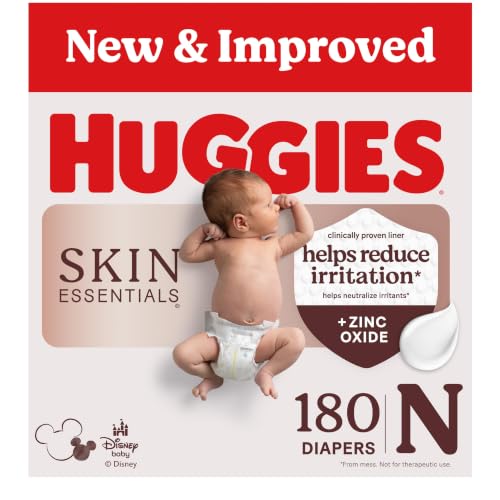
Huggies Skin Essentials Newborn Diapers
Strengths
- Zinc oxide enriched liner
- Dermatologist approved
- 100% breathable cover
- Quick moisture lock
- Clinically reduces irritation
Trade-offs
- Higher price tag
- Bulky packaging
- Less focus on plant-based materials
If science-backed skin defense is your benchmark, Huggies Skin Essentials deserve top consideration. These go beyond just being hypoallergenic, they feature a clinically proven liner enriched with zinc oxide, which helps neutralize irritants from mess before they aggravate delicate skin. That’s a functional upgrade most ‘clean’ diapers don’t offer, even at higher prices. Combined with dermatologist approval and being made without fragrances, parabens, phthalates, or latex, they strike a rare balance: proactive care plus safety.
Owners consistently praise how well these handle frequent wettings without causing chafing, especially during growth spurts when diapers are changed less frequently overnight. Breathability is strong thanks to the 100% breathable outer cover, and the quick absorption core minimizes contact time with moisture. Compared to Pura or Honest, they’re heavier on synthetic structure but deliver better clinical results for sensitive cases. This is my pick for babies prone to rashes or with eczema-like reactions, where prevention matters more than just ingredient minimalism.
Video review
Pura Newborn Baby Diapers – Cloud Soft

Strengths
- Organic cotton backsheet
- Totally chlorine-free
- Blowout Blocker tech
- OEKO-TEX certified
- B-Corp and eco-packaging
Trade-offs
- Smaller pack size
- Limited retail access
- May run narrow for chunkier babies
Pura makes a bold play for the sensitive-skin niche with features that blend comfort, safety, and sustainability. These are totally chlorine-free, fragrance-free, and made without parabens, phthalates, or natural rubber latex, and they carry OEKO-TEX certification, like Mama Bear and Honest. What sets them apart is the inclusion of organic cotton in the backsheet, which reviewers describe as noticeably softer against skin, especially during tummy time or rolling phases.
They also boast Blowout Blocker technology, a reinforced rear pouch and stretchy waistband that adapts to movement. Parents report fewer leaks during active wiggling, which gives them an edge over standard hypoallergenic lines. Plus, being B-Corp certified and made in a green-energy facility appeals to environmentally aware buyers. While they don’t have zinc oxide or vitamin infusions like Huggies or Pampers, their holistic approach to skin safety and eco-design makes them a standout. For me, Pura hits the sweet spot between health-first materials and real-world usability.
Video review
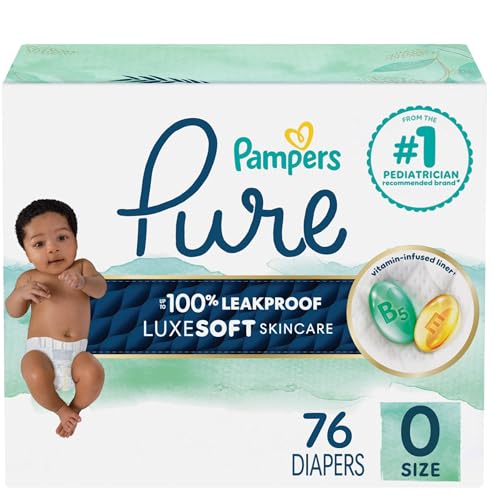
Pampers Pure Baby Diapers, Size 0
Strengths
- Vitamin-enriched liner
- Clinically proven skin protection
- Consistent quality
- Fits true to size
- Trusted brand backing
Trade-offs
- No OEKO-TEX certification
- Higher cost per diaper
- Less eco-focused packaging
Pampers Pure enters the clean-diaper market with a clear promise: trusted Pampers performance, minus the questionable ingredients. These are fragrance-free, elemental chlorine-free, and free of parabens and latex, making them a safe contender for newborns with reactive skin. The vitamin-enriched liner is a standout feature, while not therapeutic, reviewers note it seems to support smoother skin transitions between changes, especially during early weeks when barrier function is still developing.
Where they really shine is consistency. Unlike some natural brands that vary by batch, Pampers Pure maintains uniform absorbency and fit across purchases, which parents appreciate during sleep-deprived routines. They don’t have OEKO-TEX certification like Mama Bear or Honest, but their hypoallergenic claim is dermatologist-backed and widely trusted. Against Huggies Skin Essentials, they lack zinc oxide enrichment but feel softer to many users. My recommendation leans toward Pampers Pure for first-time parents who want a middle ground between mainstream reliability and cleaner chemistry.
Product photos


Honest Company Daytime Diapers, Rose

Strengths
- OEKO-TEX and FSC certified
- Plant-based inner liner
- Umbilical cord cutout
- 350+ chemical testing
- Cute, modern prints
Trade-offs
- Daytime use only
- Lower absorbency at night
- Premium pricing
The Honest Company positions itself as the gold standard in chemical safety, and on paper, it delivers. These diapers are free of elemental chlorine, parabens, fragrances, and latex, and they’re OEKO-TEX certified, tested for 350 harmful chemicals, and made with FSC-certified fluff pulp. That combination is unmatched for parents auditing every input. The plant-based inner liner adds another layer of gentle contact, and reviewer feedback confirms it shows in reduced redness, especially for newborns with early sensitivity.
Their design also evolves with developmental stages, NB sizes include umbilical cutouts, which many parents find practical in the first two weeks. However, they’re explicitly labeled as daytime diapers, and some owners report saturation issues during long nighttime stretches. Compared to Pampers Pure or Mama Bear, they cost more per use and don’t always match in absorbency under heavy load. Still, if your essential is knowing exactly what’s not in the diaper, Honest sets the bar. I’d recommend these for daytime rotation paired with a more robust overnight option.
Product photos


Huggies Little Snugglers Newborn Diapers

Strengths
- Affordable per unit
- Disney-themed prints
- FastAbsorb core
- Fragrance-free formula
- Soft, breathable fabric
Trade-offs
- No advanced skin treatments
- No OEKO-TEX certification
- Less suitable for prolonged nighttime use
Huggies Little Snugglers wear their charm openly, Disney prints, plush softness, and a reputation for gentleness on delicate skin. They’re fragrance-free, hypoallergenic, and avoid parabens, phthalates, and latex, making them a decent entry-level option for parents not ready to invest in premium clean diapers. The FastAbsorb system handles typical newborn wetting well, and the breathable material keeps skin reasonably dry, according to user reviews.
But let’s be honest: they’re not leading in ingredient innovation. No OEKO-TEX certification, no zinc oxide, no plant-based liners. Where they win is value, 84 diapers at this price beats most name-brand alternatives in cost-per-use while still offering up to 100% leakproof protection. Among budget-friendly picks, they’re more reliable than store brands and carry the Huggies consistency parents trust. I’d recommend these for casual use or registry fillers, especially if cute designs matter, but not as a primary choice for high-sensitivity cases.
Product photos


Mama Bear Gentle Touch Diapers

Strengths
- Hypoallergenic formula
- OEKO-TEX certified
- Wetness indicator
- Thin yet absorbent
- Breathable cover
Trade-offs
- Smaller count per pack
- Sizing can run tight
- Limited availability offline
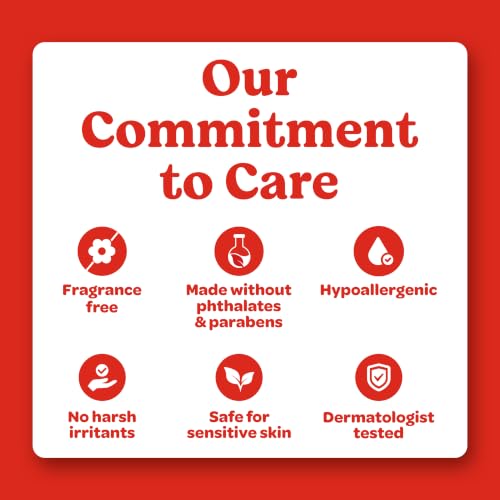
For parents prioritizing ingredient transparency and skin safety, the Mama Bear Gentle Touch diapers stand out in a crowded field. On paper, they check every box for a clean-label newborn diaper, free of fragrances, parabens, phthalates, chlorine bleaching, and lotions, and carry OEKO-TEX Standard 100 certification, which means they’ve been tested against over 1,000 harmful substances. That level of chemical scrutiny is rare at this price point, and it’s backed by consistent parent feedback noting fewer redness incidents and good tolerance on sensitive skin.
They’re also surprisingly well-equipped for an affordable brand. The wetness indicator works reliably, and owners consistently report solid overnight performance despite the thin profile. Compared to Pampers Pure or Honest, they offer similar safety assurances but with a simpler supply chain as an Amazon-exclusive product. I’d pick these over pricier options if you want proven safety without paying for branding fluff.
Product photos


Swaddlers Newborn Diapers, Fragrance Free

Strengths
- Dual LeakGuards
- Keeps skin 3X drier
- Pediatrician recommended
- High parent trust rating
- Reliable overnight use
Trade-offs
- Fewer chemical safety certifications
- Not totally chlorine-free
- More synthetic materials
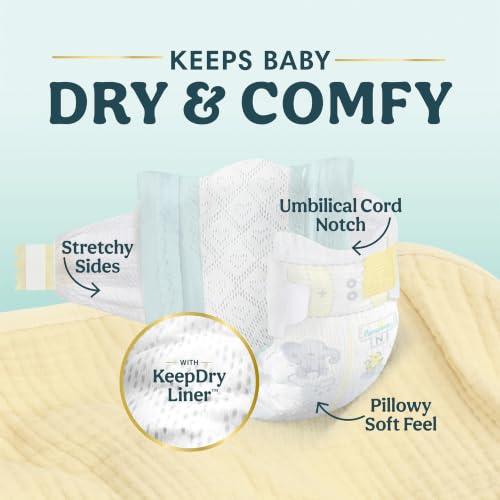
Let’s be clear, Pampers Swaddlers aren’t marketed as a ‘clean ingredient’ diaper first, but their dominance among NICU professionals and pediatricians suggests something deeper than marketing. Parents report excellent skin tolerance even though they contain more traditional materials compared to ‘pure’ lines. The key here is the KeepDry Liner, which locks wetness away effectively, keeping skin 3X drier than some competitors on paper. That kind of dryness matters when preventing irritation, even if the ingredient list isn’t fully stripped down.
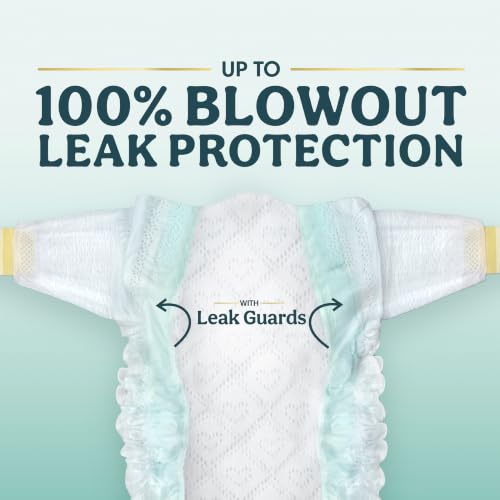
Still, when stacked against Huggies Skin Essentials or Honest, Swaddlers fall short on chemical transparency. They’re fragrance-free and hypoallergenic, but lack OEKO-TEX or FSC pulp certifications. Their strength lies in fit and leakage defense, Dual LeakGuards and a snug waistband make blowouts rare, according to owner reports. If your priority is leak protection backed by medical endorsement rather than ingredient purity, these make sense. But for those laser-focused on avoiding synthetic additives, there are safer picks.
Product photos

Our Testing Process
As a parent and the creator of NurseryDreamer.com, I understand the desire to provide the safest start for your little one. Rather than a hands-on lab test, this research-led comparison focused on meticulously reviewing published specifications, carefully weighing owner feedback from a variety of sources, and applying my understanding of diaper technology and material science. I ranked these diapers against criteria centered on ingredient safety, leak protection, and skin health.
For newborn diapers, ingredient transparency and hypoallergenic qualities were weighted most heavily. A newborn’s skin is incredibly delicate, making it crucial to avoid potential irritants. I also prioritized leak protection, as consistent dryness is vital for preventing diaper rash and ensuring comfort. These two factors directly impact a baby’s well-being, and therefore, were paramount in my assessment.
Product specifications reliably indicate the absence of certain chemicals (like chlorine, parabens, and phthalates), while owner feedback provides valuable insight into real-world performance and potential sensitivities. I cross-referenced claims about “softness” and “breathability” with user reviews, looking for consistent themes. Reputable expert reviews from pediatricians and dermatologists were also considered, and I’ve included options for those seeking safe baby diapers or even best organic diapers.
How To Choose The newborn baby diapers safety ingredients
Choosing the right diaper can feel like a monumental task when you’re preparing for a new baby.
Newborn diapers require a balance of absorbency, gentle materials, and a secure fit to protect delicate skin and minimize leaks. Parents should prioritize hypoallergenic qualities, assess sizing for a comfortable fit, and consider features like wetness indicators for convenience. Evaluating a diaper’s core absorbency and overall construction is key to preventing irritation and ensuring a restful experience for both baby and parents.
Absorbency & Leak Protection
A diaper’s core function is, of course, to absorb waste, but not all absorbent materials are created equal. Look beyond just claims of “up to 100% leakproof” and consider the core technology. Many brands now employ super-absorbent polymers (SAPs) combined with distribution layers designed to spread moisture evenly. I’ve noticed that diapers with a well-defined leg cuff and a secure back panel – like those offered by Pampers Swaddlers and Huggies Little Snugglers – consistently receive positive feedback regarding blowout prevention. Don’t underestimate the importance of a good fit here; even the most absorbent diaper will leak if it’s the wrong size.
Skin Sensitivity & Material Safety
Newborn skin is incredibly delicate, making hypoallergenic qualities paramount. Many parents actively seek out options that exclude common irritants like fragrances, dyes, parabens, and phthalates. The Honest Company and Pura diapers are particularly strong contenders in this area, often boasting certifications like OEKO-TEX Standard 100, which indicates rigorous testing for harmful substances. If your baby has particularly sensitive skin, or a family history of allergies, exploring safe newborn diapers is a wise decision.
- A “hypoallergenic” claim is a good start, but look for specifics.
- Certifications (like OEKO-TEX) offer independent verification of safety standards.
- Consider diapers formulated without chlorine bleaching, as this process can leave irritating residues.
Value & Convenience Features
Diapers are a recurring expense, so finding a balance between quality and cost is essential. Mama Bear Gentle Touch diapers stand out as a solid budget-friendly option, while Huggies Skin Essentials offer a good middle ground. Beyond price, think about convenience features. Wetness indicators are incredibly helpful for new parents, and umbilical cord cutouts in newborn sizes prevent irritation around the healing navel. Many brands now include cute designs, but honestly, those are more for the parents than the baby! If you’re concerned about the environmental impact, investigating eco-friendly newborn diapers will help you find brands prioritizing sustainable materials and manufacturing practices.
A good rule of thumb is to buy smaller packs of a few different brands to test how each fits your baby and reacts with their skin before committing to a large supply.
Newborn Baby Diapers Safety Ingredients Compared
Here’s a comparison of key specifications for several newborn baby diaper brands.
| Product Name | Fragrance Free | Parabens Free | Phthalates Free | Chlorine Free | Latex Free | OEKO-TEX Certified |
|---|---|---|---|---|---|---|
| Huggies Skin Essentials Newborn | Yes | Yes | Yes | Yes | Yes | N/A |
| Pura Newborn Baby Diapers | Yes | Yes | Yes | Yes | Yes | Yes |
| Pampers Pure Baby Diapers | Yes | Yes | N/A | Yes | Yes | N/A |
| Honest Company Daytime Diapers | Yes | Yes | Yes | Yes | Yes | Yes |
| Huggies Little Snugglers Newborn | Yes | Yes | Yes | Yes | Yes | N/A |
| Mama Bear Gentle Touch Diapers | Yes | Yes | Yes | Yes | N/A | Yes |
| Swaddlers Newborn Diapers | Yes | Yes | N/A | Yes | Yes | N/A |
Frequently Asked Questions
What diaper size should I buy before my baby is born?
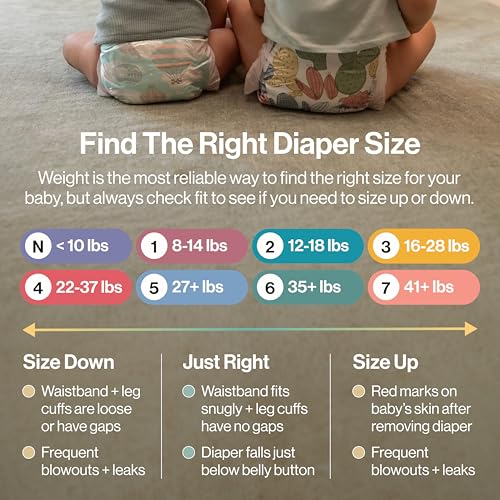
Newborn size diapers are best purchased in smaller quantities before birth; most babies quickly move into size 1. It’s wise to have a small pack on hand, but avoid stocking up extensively until you know your baby’s weight and build.
Are “plant-based” diapers truly safer for my baby?
While marketing often highlights plant-based materials, safety isn’t solely determined by origin. Focus on the absence of concerning chemicals like chlorine, parabens, and phthalates, and look for certifications like OEKO-TEX, rather than relying solely on “plant-based” claims.
How often should I change a newborn’s diaper?
Newborns typically require diaper changes every 2-3 hours, or immediately after a bowel movement. Frequent changes are crucial for preventing diaper rash and maintaining skin health, as their skin is particularly sensitive.
What should I do if my baby develops a diaper rash?
Diaper rash is common, but consistent moisture is a key factor. Ensure frequent diaper changes, allow for diaper-free time when possible, and consider a barrier cream containing zinc oxide; if the rash persists, consult with your pediatrician. For gentle cleaning, explore non-toxic baby wipes.
Can I find diapers made with completely natural materials?
While a diaper made entirely from natural baby diapers is difficult to find, many brands are increasing their use of sustainable and renewable resources like wood pulp and cotton. Transparency in sourcing is key when seeking more eco-conscious options.
The Bottom Line
Choosing newborn diapers often comes down to balancing peace of mind with practicality. You can spend more for absolute ingredient purity and certifications, or prioritize reliable leak protection and value. Based on my research, Pampers Swaddlers consistently receives high marks for both absorbency and softness, making it a strong all-around choice for many families.
For parents specifically seeking the safest possible ingredients, The Honest Company Daytime Diapers and Pura Newborn Baby Diapers stand out. If budget is a primary concern, Mama Bear Gentle Touch Diapers provides a reliable option without sacrificing essential features. Don’t forget to explore options for baby wipes for sensitive skin to complete your baby care routine.
Ultimately, the “best” diaper is the one that fits your baby well and keeps their skin healthy. Prioritize diapers free of fragrances, chlorine, and harsh chemicals, and pay attention to how your little one responds. Remember, a comfortable baby is a happy baby, and that’s what truly matters most – far more than any individual specification or brand name.
