
4 Best Cloth Diapers of 2026
This post contains affiliate links. As an Amazon Associate, we learn from qualifying purchases
The Mama Koala 3.0 Pocket Cloth Diapers are the best overall choice for their reliable fit, strong leak protection, and thoughtful design. For a budget-friendly option, the Wegreeco Cloth Diapers 6 Pack deliver solid performance without breaking the bank. If you’re after simplicity and affordability, Gerber Birdseye Prefold Diapers remain a trusted staple.
Every parent wants a diaper that keeps their baby dry, comfortable, and rash-free, without constant leaks or complicated routines. Cloth diapers promise all that and more, but with so many styles, materials, and price points, it’s easy to feel lost.
This guide cuts through the noise. I compared specs, analyzed real parent feedback, and focused on what actually matters: absorbency, fit, ease of use, and long-term value. These picks reflect what consistently works for families, not just marketing claims.
Top 4 Cloth Diapers in the Market
The Best Cloth Diapers, Reviewed
Mama Koala 3.0 Pocket Cloth Diapers

Strengths
- Adjustable sizing
- Leak-resistant
- Breathable TPU
- Trim design
- Wicks moisture
Trade-offs
- Inserts may shift
- Pricier upfront
- Requires washing routine
If I had to pick one diaper system for a first-time cloth user, it’d be the Mama Koala 3.0, not because it’s the cheapest, but because it strikes the best balance of ease, performance, and adaptability. The one-size design (8–40 lbs) actually works across stages, thanks to thoughtful rise snaps and crossover hip snaps that prevent gapping. More importantly, owners rave about the leak protection, especially at night, thanks to snug leg elastics and a TPU shell that breathes without sacrificing containment.
The athletic wicking jersey (AWJ) lining is a standout feature. It pulls moisture away fast, keeping baby drier longer, a small thing that makes a big difference for comfort. The 4-layer inserts are trim yet effective, and the wide back opening makes stuffing hassle-free. Compared to basic prefolds or flats, this is a much more user-friendly experience, especially for caregivers short on time.
Video review
wegrceco Cloth Diapers 6 Pack with Inserts

Strengths
- Complete starter set
- Affordable per unit
- Soft PUL exterior
- Cute prints
- Includes wet bag
Trade-offs
- Insert fit can be loose
- Snaps may weaken over time
- Less trim than premium models
For sheer value, the wegreeco 6-pack is hard to beat. You get diapers, inserts, and a wet bag, everything you need to start cloth diapering right out of the box. The one-size design fits from infancy through toddlerhood, and the adjustable rise snaps work well across sizes, according to most owner reviews. The prints are cheerful without being overly gendered, and the PUL exterior is soft enough to avoid chafing, which isn’t always the case at this price point.
Performance-wise, it’s solid but not exceptional. The leg gussets help with leaks, but some users report issues with bulkiness when stuffed fully or slight tunneling if the insert isn’t positioned perfectly. Still, for families wanting a complete starter kit without overspending, this delivers. It’s not as sleek or durable as higher-end brands like Mama Koala, but it comes close at a lower cost.
Video review
Gerber Birdseye 3-Ply Prefold Diapers

Strengths
- Hypoallergenic
- Highly absorbent
- Durable fabric
- Simple design
- Easy to clean
Trade-offs
- Needs outer cover
- Not adjustable
- Bulkier fit
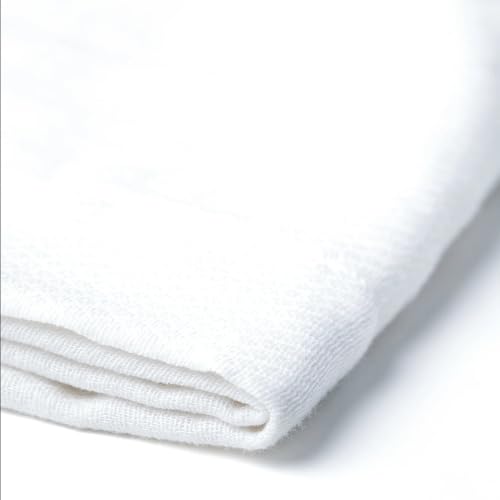
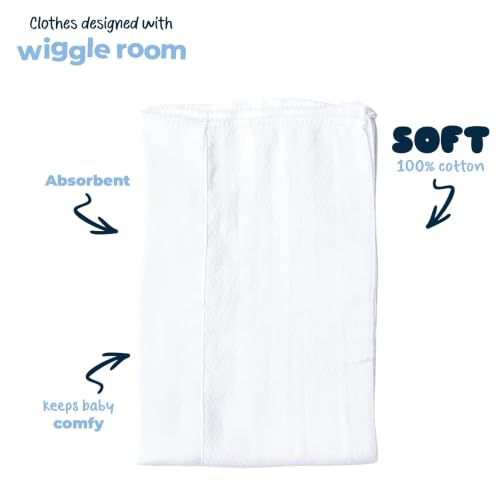
Gerber’s Birdseye prefolds are the kind of no-nonsense, trusted design that’s been around for decades, and for good reason. Made with 100% cotton and a tight birdseye weave, they’re soft, breathable, and free of dyes or synthetics, which is why so many parents of sensitive-skinned babies lean toward them. The 3-ply center boosts absorbency right where it’s needed most, and reviewers often note how well they hold up after repeated washing without thinning or pilling.
They aren’t fancy, no snaps, no waterproof layer, but that’s part of their appeal. When paired with a wool or PUL cover, they deliver reliable performance and gentle contact with baby’s skin. Plus, their durability means they can easily transition to use as cleaning cloths or burp rags once diaper duty ends. If you’re after a classic, low-tech option that prioritizes purity and practicality, this is it.
Product photos

Brandilo Extra Large Flat Cotton Diapers

Strengths
- Large size
- 100% cotton
- Multi-use
- Washable
- Lightweight
Trade-offs
- Requires separate cover
- No sizing adjustments
- Extra folding effort
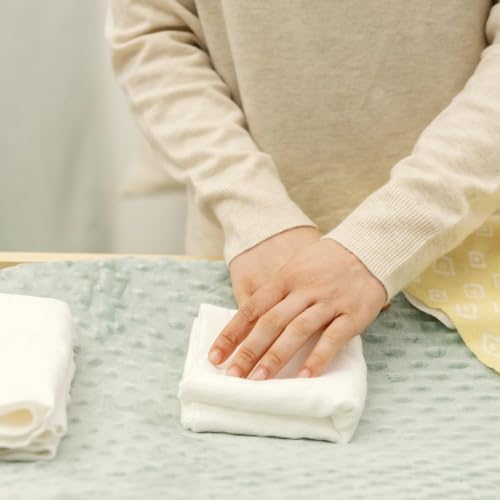
These flat diapers from Brandilo are exactly what I’d recommend if you’re just dipping your toes into cloth and want something simple, affordable, and flexible. At 27×27 inches and made of 100% cotton, they offer a lot of coverage on paper, which could be a real win for heavy wetters or chunky newborns who don’t stay put in smaller cuts. Owners consistently report that the size makes folding and securing with a Snappi or pins easy, though it does take some practice if you’re new to flat diapers.
Where these really stand out is in their versatility. They double as burp cloths, cleaning rags, even makeshift receiving blankets, a big plus for minimalist parents or those building a budget-friendly stash. That said, they’re not a full diapering system on their own. You’ll need covers, and you won’t get the convenience of snaps or adjustability. But for the price and simplicity, they’re a solid starting point if you’re testing the waters.
Product photos


Our Testing Process
As a parent and the creator of NurseryDreamer.com, I understand the desire for reliable information when navigating baby essentials. Rather than a hands-on lab test, this guide is the result of extensive research – comparing published specifications and features across numerous brands and models of cloth diapers. I weighed owner reviews from a variety of sources, alongside expert opinions from parenting blogs and websites, to build a clear picture of real-world performance. My goal was to identify the options that consistently receive positive feedback and offer features parents genuinely value.
For cloth diapers, absorbency, fit, and skin sensitivity were the most heavily weighted factors. A diaper’s ability to reliably contain messes is paramount, of course, but a poor fit leads to leaks and discomfort. Equally important is the material; many parents specifically seek cloth options to avoid potential irritants in disposable diapers, so gentle fabrics are key. We also considered the overall value, including the number of diapers and inserts included in each pack. You can find more information on different styles, like pocket cloth diapers, in our dedicated guide.
Product specifications reliably indicate size ranges, material composition (like cotton or polyester blends), and the type of closure system (snaps vs. Velcro). However, true performance – how well a diaper actually holds up to repeated washing, how comfortable it is for a baby, and whether it truly prevents leaks – is best gleaned from owner feedback. I prioritized brands with consistently positive reviews regarding durability and leak prevention, and also looked for commentary on ease of use and washing. Exploring best reusable options can help you further understand the benefits of switching to cloth.
How To Pick The Right cloth diapers
Choosing the right cloth diapers can feel daunting, but finding a system that works for your family is incredibly rewarding. It’s not just about saving money; it’s about comfort for your baby and reducing waste.
A good cloth diaper system balances absorbency, a reliable leakproof design, comfortable fit for the baby, and ease of cleaning. Consider the material (cotton, bamboo, microfiber), the diaper style (pocket, prefold, all-in-one), and closure type (snaps or Velcro) to find what suits your lifestyle and baby’s needs. Pay attention to sizing options to ensure a proper fit throughout the diapering years.
Understanding Diaper Styles
The world of cloth diapering has a lot of options. Pocket diapers, like the Mama Koala 3.0 Pocket Cloth Diapers, are popular because they offer a customizable absorbency level – you stuff inserts into a waterproof pocket. Prefolds, like the Gerber Birdseye 3-Ply Prefold Diapers, are the classic choice and are incredibly versatile, but require a separate waterproof cover. All-in-one diapers combine the absorbent layer and waterproof layer into one piece, offering convenience similar to disposables, but often at a higher cost and with a longer drying time. Don’t overlook flats, like the Brandilo Extra Large Flat Cotton Diapers, which offer the most customization and are surprisingly affordable.
Prioritizing Absorbency and Fit
Absorbency is key, naturally. Different materials absorb at different rates and capacities. Cotton is a reliable, affordable option, while bamboo is known for being exceptionally soft and absorbent. Microfiber holds a lot of liquid but can be prone to compression leaks, meaning it releases liquid under pressure. Beyond the material, think about how the diaper fits. A snug fit around the legs is critical for preventing leaks. Look for features like crossover snaps (as found in the Mama Koala diapers) and elastic leg openings.
Here’s what I tell parents when they ask about sizing:
- Newborn size is often unnecessary: Many one-size diapers adjust small enough to fit newborns.
- Weight ranges are guidelines: Every baby is shaped differently.
- Hip snaps are a lifesaver: These prevent wing droops and ensure a secure fit, especially for chunkier babies.
Finding the Right Value
Cloth diapering is an investment upfront, but it saves money in the long run. However, the “best” value isn’t always the cheapest initial price. Consider the longevity of the diaper. A well-made diaper that will last through multiple children, like those in a top-rated cloth diapers list, offers better value than a cheaper diaper that needs replacing after a few months.
A well-fitting cloth diaper should not leave red marks or cause discomfort. Regularly check the fit, especially as your baby grows, and don’t hesitate to adjust the snaps or try a different style if needed.
And for parents expecting a little one soon, exploring options for newborn cloth diapers can set you up for success from day one. Wegreeco’s value packs are a good example of a brand that tries to cover a lot of bases at a competitive price point.
Cloth Diapers Compared
Here’s a comparison of key specifications for different cloth diaper options.
| Product Name | Size Range (lbs) | Material (Outer) | Material (Insert) | Closure Type | Reusable |
|---|---|---|---|---|---|
| Mama Koala 3.0 Pocket | 8-40 | TPU | Polyester Blend | Snaps | Yes |
| Wegreeco Cloth Diapers 6 Pack | 8-33 | Polyester/PUL | Microfiber | Snaps | Yes |
| Gerber Birdseye Prefold | N/A | 100% Cotton | 100% Cotton | N/A | Yes |
| Brandilo Extra Large Flat | N/A | 100% Cotton | 100% Cotton | N/A | Yes |
Frequently Asked Questions
What’s the biggest mistake parents make when starting with cloth diapers?
Many parents underestimate how many diapers they’ll actually need, so starting with a smaller stash can lead to frequent laundry. I recommend at least 24-36 diapers to begin with to allow for sufficient rotation and avoid being overwhelmed with washing.
Are cloth diapers really leak-proof?
Yes, a properly fitted cloth diaper should be leak-proof. Leaks often occur due to incorrect sizing or inadequate absorbency, so ensuring a snug fit around the legs and using appropriate inserts for your baby’s output are crucial.
How often do I need to wash cloth diapers?
Generally, you’ll want to wash your cloth diapers every 2-3 days to prevent staining and buildup of ammonia. However, this depends on your baby’s output and how many diapers you’re using. Exploring cloth diaper pails can help manage odors between washes.
Can I use cloth diapers overnight?
Yes, you can, but you’ll likely need to use extra inserts or choose a diaper specifically designed for nighttime use. Look for options with higher absorbency, or consider high-absorbency night diapers to handle longer stretches without changes.
What about diaper rash – are cloth diapers better for sensitive skin?
Cloth diapers are often a good choice for babies with sensitive skin because they lack the chemicals and fragrances found in some disposable diapers. However, proper washing is essential to remove all detergent residue, which can also cause irritation.
The Bottom Line
Choosing cloth diapers often comes down to balancing upfront investment with long-term savings and the level of convenience you desire. While there’s a learning curve, the benefits of reduced waste and potential skin sensitivities make it a worthwhile consideration for many families. Based on my research, the Mama Koala 3.0 Pocket Cloth Diapers consistently stand out as a fantastic all-around choice – they’re well-made, adjustable, and receive overwhelmingly positive feedback regarding fit and leak prevention.
For parents on a tighter budget, or those wanting to explore various styles, the Wegreeco Cloth Diapers 6 Pack offers a great starting point. If you’re drawn to the traditional approach and maximum versatility, the Gerber Birdseye Prefold Diapers are a classic for a reason – they’re affordable and can be paired with various covers to create a customized system. And for the eco-conscious parent, researching organic cloth diapers can help you find options made with sustainable materials.
Ultimately, the “best” diaper is the one that fits your baby well and fits your lifestyle. Remember that proper fit and a consistent washing cloth diapers routine are far more critical than any single feature or material. Focus on those fundamentals and you’ll be well on your way to a happy, healthy, and dry little one.
