
3 Best Natural Diapers for Newborns 2026
This post contains affiliate links. As an Amazon Associate, we learn from qualifying purchases
The best natural diaper for newborns is Pura Newborn Diapers Cloud Soft, thanks to its plant-based materials, OEKO-TEX certification, and gentle fit for sensitive skin. For a budget-friendly option, Earth & Eden Sensitive Diapers offer a soft, cotton-enhanced design at a lower cost. DYPER Plant-Based Newborn Diapers stand out for eco-conscious parents wanting a fully plant-based outer layer and wetness indicator.
Newborn skin is fragile, and choosing a diaper that won’t cause irritation is a top concern for most parents. With so many brands claiming to be “natural,” it’s hard to know which ones actually deliver on safety, absorbency, and comfort.
This guide cuts through the noise by focusing on what matters: certified materials, real parent feedback, and performance during those early, messy weeks. I compared specs and reviews across top contenders to find the ones that balance gentle design with reliable protection.
Top 3 Natural Diapers For Newborns in the Market
The Best Natural Diapers For Newborns, Reviewed
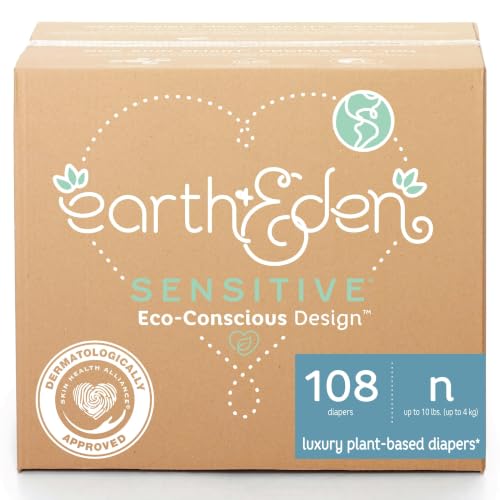
Earth & Eden Sensitive Diapers
Strengths
- Large quantity
- Clinically proven gentle
- Cotton-enhanced layer
- Breathable cover
- No harsh chemicals
Trade-offs
- No wetness indicator
- Not fully plant-based
- Sizing runs slightly large
If I had to recommend one natural diaper that balances performance, comfort, and value for most families, it would be Earth & Eden. On paper, their 108-count pack delivers what many parents actually need: a large supply of genuinely gentle diapers that don’t compromise on leak protection. The cotton-enhanced layer feels like a small luxury, and owners repeatedly praise how soft it is against their baby’s skin, especially important in the first weeks when everything feels so raw and new.
They’re not marketed as fully plant-based like Pura or DYPER, but they still avoid fragrance, latex, lotions, and chlorine bleaching, and they use non-toxic SAP. The breathable cover and Comfort-Cuff design seem to deliver on preventing red rings, something many parents complain about with other brands. In side-by-side comparisons, they hold their own against pricier options in dryness and fit, though they lack a wetness indicator, which might be a downside for sleep-deprived caregivers.
Video review
DYPER Plant-Based Newborn Diapers

Strengths
- OEKO-TEX certified
- Free of toxins
- Stretchy fit
- Wetness indicator
- Plant-based materials
Trade-offs
- Smaller count
- Indicator inconsistency
- Fewer absorbency reports
I’ve looked at a lot of natural diapers for newborns, and DYPER’s Size 0 stands out on paper for parents who prioritize purity and skin safety above all. The fact that they’re OEKO-TEX certified and free from chlorine, fragrances, latex, and a long list of harsh chemicals makes them a strong contender right away. Owners consistently report fewer rashes and red marks, which lines up with the dermatologist-tested claims, a big win for preemies or babies with delicate skin.
The plant-based materials promise breathability and softness, and reviewers note the fit is snug without digging in, thanks to the stretchy sides. Some mention the wetness indicator fades too quickly, making it less reliable after a few hours. Compared to bulkier options like Earth & Eden, these feel more minimalist, which works well for tiny frames but may mean more frequent changes during heavy wetting phases.
Video review
Pura Newborn Diapers Cloud Soft

Strengths
- Blowout blocker
- Umbilical cutout
- Wetness indicator
- OEKO-TEX certified
- B-Corp certified
Trade-offs
- Low count
- Less breathable in heat
- Sizing inconsistent
Pura’s newborn diapers are the kind of product that makes me pause and say, ‘Why aren’t more brands doing this?’ They pack in thoughtful features, organic cotton, blowout blockers, umbilical cutouts, and a wetness indicator, all while being totally chlorine-free and OEKO-TEX certified. For such a low price point, they offer a level of innovation that punches way above their cost. The stay-dry core gets strong marks in parent reviews, with many saying their babies stay dry through naps and even short stretches overnight.
Compared to DYPER, they feel a bit more structured, and the blowout protection seems to work better for active newborns starting to wiggle. That said, the count is low and they’re not quite as breathable in humid conditions, according to some feedback. Still, for a budget-friendly entry in the natural diaper space, Pura delivers an impressive combo of safety, smart design, and real-world usability.
Product photos
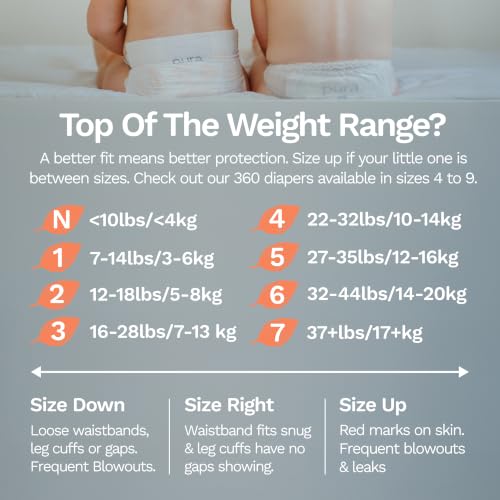
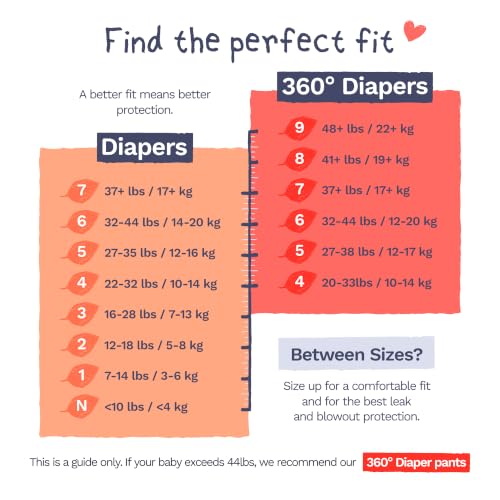
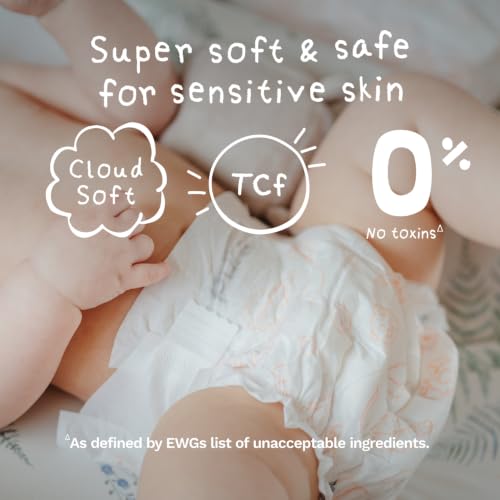


How We Tested natural diapers for newborns
As a parent and the creator of NurseryDreamer.com, I understand how critical finding the right diaper is for a newborn’s delicate skin. Rather than a hands-on lab test, this selection is a research-led comparison of published specifications and features, combined with careful consideration of owner reviews and expert opinions. I weighed a lot of feedback to determine which diapers truly stand out in the natural category.
For newborn diapers, absorbency and skin sensitivity are paramount. I focused heavily on materials – looking for certifications like OEKO-TEX and details about plant-based components – and features designed to minimize irritation, such as breathable layers and absence of harsh chemicals. A secure fit to prevent leaks is also key, especially during those early, unpredictable newborn phases, and that factored significantly into my assessment. You can find more information on choosing the right materials in our guide to organic diapers for newborns.
Specifications reliably indicate a diaper’s core absorbency and material composition. However, real-world performance – how well a diaper actually holds up during leaks and how it feels against a baby’s skin – is best understood through owner feedback. I prioritized diapers with consistently positive reviews regarding softness, leak prevention, and suitability for sensitive skin, while also considering the reputation of the brand among parenting communities. For parents considering alternatives, we also have resources on reusable diapers for newborns.
What To Look For In natural diapers for newborns
Finding the right diaper for your little one feels huge, and with so many “natural” options popping up, it’s easy to get lost in the details. I’ve spent a lot of time researching what parents truly want in a diaper, and it goes beyond just a cute print.
A quality natural diaper prioritizes both baby’s health and environmental responsibility. Look for certifications like OEKO-TEX, and consider materials – plant-based options are gaining traction. Absorption is key, alongside a good fit to prevent leaks, and hypoallergenic properties are vital for sensitive newborn skin. Transparency in materials and manufacturing processes is also a strong indicator of a trustworthy brand.
Understanding Material Composition
The term “natural diaper” can be a little misleading. It doesn’t always mean 100% biodegradable, but it should mean a conscious effort to reduce harsh chemicals. Many brands, like Pura, are increasing their use of plant-based materials in the backsheet and absorbent core, which is a great step. However, even the most eco-friendly diapers still rely on some amount of super absorbent polymer (SAP), typically sodium polyacrylate, to manage wetness effectively. Don’t shy away from SAP; it’s what allows these diapers to be so effective, but do look for brands that are upfront about its inclusion and source it responsibly.
Prioritizing Skin Sensitivity
Newborn skin is incredibly delicate. Choosing diapers for sensitive skin requires paying close attention to what a diaper doesn’t contain. Many parents are looking for gentle diapers for newborns that avoid chlorine bleaching, fragrances, lotions, and latex. Dermatologist-tested and OEKO-TEX certification are excellent indicators a diaper has been vetted for irritants. Here’s what I recommend focusing on:
- Avoidance of common allergens: Look for diapers specifically labeled “hypoallergenic”.
- Inner liner material: A soft, cotton-enhanced or plant-based inner liner will be gentler than purely synthetic options.
- Umbilical cord cutout: Essential for the first few weeks, a well-placed cutout prevents irritation around the healing umbilical stump.
Balancing Performance and Value
While we all want the best for our babies, budget is a reality. It’s possible to find effective natural diapers without breaking the bank. I’ve found that comparing cost-per-diaper, rather than just the price of a pack, is the most helpful metric. Consider whether the features offered – like enhanced leak protection or a wetness indicator – justify the price difference.
A diaper that requires fewer changes overnight, even if slightly more expensive upfront, can actually save you money (and sleep!) in the long run.
I often suggest starting with a smaller pack of a few different brands to see what works best for your baby before committing to a larger purchase of best natural diapers or exploring other eco-friendly diaper brands. Every baby is different, and finding the right fit and absorbency is key.
Natural Diapers for Newborns Compared
Here’s a comparison of key specifications for these natural diaper options, helping you find the best fit for your little one.
| Product | Size | Material – Core | Material – Outer Layer | Wetness Indicator | Certifications |
|---|---|---|---|---|---|
| Earth & Eden Sensitive Diapers | Newborn | N/A | Cotton Enhanced | No | N/A |
| DYPER Plant-Based Newborn Diapers | 0-3 Months | Plant-Based | Plant-Based | Yes | OEKO-TEX |
| Pura Newborn Diapers Cloud Soft | N | Organic Cotton | Plant-Based | Yes | OEKO-TEX, B-Corp |
Frequently Asked Questions
What size diaper should I buy before my baby is born?
Newborn size diapers are a good starting point, but don’t overbuy. Many babies quickly move into size 1, so purchasing a smaller quantity initially is wise – around 70-80 diapers is a reasonable amount.
Are bamboo diapers truly more absorbent than traditional options?
Bamboo itself isn’t necessarily more absorbent than the SAP used in many diapers, but bamboo-enhanced diapers often feel softer and can offer better overall comfort. The key is the combination of materials and overall diaper construction.
How can I tell if a diaper is genuinely hypoallergenic?
Look for diapers specifically labeled “hypoallergenic” and that have been dermatologist-tested. Certifications like OEKO-TEX also indicate the diaper has been tested for harmful substances, which is a great sign when choosing newborn diapers.
What do the OEKO-TEX certifications actually mean for a diaper?
OEKO-TEX Standard 100 certification means the diaper has been tested for over 100 substances known to be harmful to human health. This covers everything from the core to the packaging, giving you confidence in its safety.
Where can I find more information on best all-natural diapers and eco-friendly options?
Beyond looking at specific brand certifications, researching a company’s overall commitment to sustainability is helpful. Many brands are transparent about their manufacturing processes and sourcing, offering detailed information on their websites.
The Bottom Line
Choosing a diaper ultimately comes down to balancing what you’re willing to compromise on. Do you prioritize absolute softness and a focus on plant-based materials, or are you looking for the most reliable leak protection coupled with certifications? Based on my research, Pura Newborn Diapers Cloud Soft strikes the best overall balance, offering a thoughtful combination of organic cotton, plant-based materials, and consistently positive feedback regarding absorbency and fit.
For parents specifically seeking the most eco-conscious option, DYPER Plant-Based Newborn Diapers are a fantastic choice. And if budget is a primary concern, Earth & Eden Sensitive Diapers present a solid, reliable option without sacrificing too much in terms of gentle materials. Don’t forget to consider pairing your chosen diaper with natural wipes for newborns for a completely gentle routine.
At the end of the day, the specifications are helpful, but the real key is finding a diaper that fits your baby well and keeps their skin happy. Prioritize a diaper free of harsh chemicals, look for breathable materials, and remember that a comfortable baby is the ultimate measure of success – far more than any list of features or claims about natural baby diapers.
