
3 Best Baby Wipes of 2026
This post contains affiliate links. As an Amazon Associate, we learn from qualifying purchases
The Pampers Sensitive Baby Wipes are the best overall, combining reliable gentleness with strong cleaning power. For a budget-friendly option, the Amazon Basics Sensitive Baby Wipes deliver solid performance at a lower cost. If you prefer plant-based materials, the Huggies Natural Care Sensitive wipes are a top choice, especially for babies with eczema-prone skin.
Every parent wants wipes that are kind to their baby’s skin but still get the job done. With so many options on the shelf, it’s hard to know which ones truly live up to their promises.
As the creator of NurseryDreamer.com, I’ve compared dozens of wipes by analyzing specs, reading real parent reviews, and reviewing dermatological recommendations. This guide cuts through the noise to highlight the ones that stand out for gentleness, effectiveness, and value.
Top 3 Baby Wipes in the Market
The Best Baby Wipes, Reviewed
Pampers Sensitive Baby Wipes 1344 Count

Strengths
- Clinically proven
- Dual expert approvals
- Highly durable
Trade-offs
- Highest cost
- Packaging bulkier
- Overkill for non-sensitive skin
Pampers Sensitive wipes make a bold claim, and back it up with credentials. They’re clinically proven to help keep skin healthier compared to another leading brand, carry both Skin Health Alliance and National Eczema Association approvals, and are the #1 choice in hospitals. On paper, that’s hard to beat. The formula is fragrance-free, alcohol-free, and designed to restore natural pH, which reviewers say makes a visible difference in preventing rashes.
With 1344 wipes across 24 compact packs, they’re ideal for home and on-the-go use. Yes, they’re the most expensive here, but owners report fewer skin issues and better durability per wipe. Compared to Amazon Basics, they’re thicker and more resilient. I’d call these the smarter buy for long-term skin health, especially if you’re pairing them with Pampers diapers.
Video review
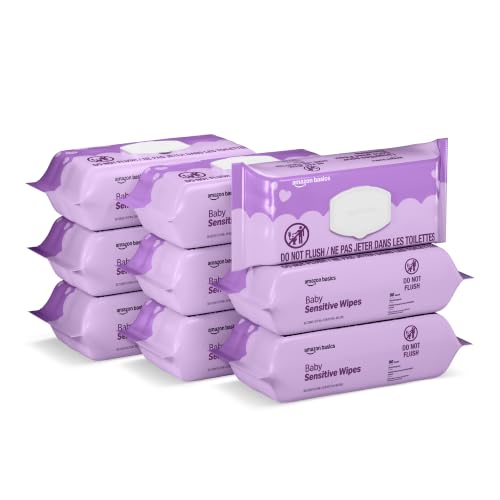
Amazon Basics Sensitive Baby Wipes 810 Count
Strengths
- High count
- Fragrance-free
- Recycled packaging
Trade-offs
- Thinner texture
- No eczema approval
- Fewer expert endorsements
When you’re going through wipes as fast as your baby goes through onesies, value matters. These Amazon Basics wipes deliver a high count at a low cost, which is why so many parents keep them stocked. The formula is straightforward: purified water, aloe, and vitamin E, with no fragrances, alcohol, or parabens, exactly what you’d want for sensitive skin.
Owners consistently report they’re soft enough for daily use and hold up during messy changes. While they don’t carry the same endorsements as Pampers or Huggies, their NEA certification adds credibility. Compared to name brands, these are thinner, but for most families, that’s a fair trade for the savings. I’d pick these over pricier options if you’re looking to stretch your budget without sacrificing basics.
Video review
Huggies Natural Care Sensitive 768 Wipes

Strengths
- Eczema Association approved
- Plant-based materials
- Dermatologist-tested
Trade-offs
- Lower count per pack
- Slightly higher price
- Not as widely available
If your baby has reactive or easily irritated skin, this Huggies option stands out. It carries the National Eczema Association Seal of Approval, which isn’t just marketing fluff, it means the formula met strict criteria for sensitivity. The wipes are 99% purified water, free of alcohol, parabens, and phenoxyethanol, and made with over 70% plant-based materials, which appeals to eco-minded families.
Reviewers note they feel slightly softer than Amazon Basics and hold moisture well, reducing dry swipe frustration. They don’t have the hospital-grade reputation of Pampers, but for parents prioritizing hypoallergenic assurance, these are a strong contender. I’d recommend these over generic brands when skin reactions are a real concern.
Product photos


How We Evaluated baby wipes
As a parent, I understand how crucial it is to find gentle and effective baby wipes. Rather than a hands-on lab test, my approach focused on a detailed comparison of published specifications and features across numerous brands. I then weighed those details against what parents are actually saying in their online reviews, and combined that with insights from reputable pediatric and dermatological sources. This allowed me to rank options against criteria important to real families.
For baby wipes, three factors stood out as most important: gentleness, effectiveness, and value. Sensitive skin is common in babies, so a hypoallergenic, fragrance-free formula is paramount. Beyond that, wipes need to work – parents want to feel confident they’re getting a thorough clean. Finally, the cost per wipe matters, especially considering how frequently they’re used. Finding the balance between these three is key.
Specifications reliably indicate the ingredients a wipe doesn’t contain (alcohol, parabens, etc.), which is a significant starting point. However, real-world experiences shared in owner feedback are vital for understanding how a wipe feels on the skin, how well it holds up during use, and whether it truly lives up to claims of being gentle. I also looked for certifications from organizations like the National Eczema Association, and considered recommendations for top-rated diaper wipes from pediatricians. For parents seeking alternatives, exploring plant-based baby wipes is also a great option.
How To Pick The Right baby wipes
Choosing the right baby wipes can feel surprisingly complex. There are so many options claiming to be gentle, hypoallergenic, and effective, but understanding what actually makes a good wipe is key to keeping your little one comfortable and healthy.
A quality baby wipe balances effective cleaning with skin health. Look for formulas free of harsh chemicals and irritants, a soft and durable texture, and a convenient dispensing method. Consider the size and thickness of the wipe, as well as any certifications for sensitive skin or environmental responsibility. Prioritize wipes that are dermatologist-tested and hypoallergenic to minimize the risk of irritation.
Understanding Wipe Material & Formulation
The material a wipe is made from significantly impacts its gentleness and effectiveness. While many wipes are now advertised as plant-based, the percentage of plant-derived material can vary greatly. Don’t automatically assume “plant-based” equals better; focus on the full ingredient list. Avoid wipes containing alcohol, fragrances, parabens, and phthalates, as these are common irritants. Many parents seek out wipes with added ingredients like aloe vera or vitamin E, believing they offer extra soothing benefits. When comparing options, I always recommend looking for wipes that have earned the National Eczema Association Seal of Approval, like the Huggies Natural Care Sensitive wipes.
Assessing Sensitivity & Dermatological Testing
For babies with sensitive skin – and honestly, even those without! – it’s crucial to prioritize wipes that have undergone rigorous dermatological testing. Look for wipes labeled “hypoallergenic” and “dermatologist-tested,” but understand those terms aren’t strictly regulated. Instead, look for wipes endorsed by reputable organizations like the Skin Health Alliance. Pampers Sensitive Baby Wipes, for example, carry this approval. It’s also helpful to check owner feedback; real parent experiences can offer valuable insight into how a wipe performs in everyday use. If your baby is prone to diaper rash, exploring wipes for diaper rash is a smart move.
Here’s what to consider when evaluating a wipe’s sensitivity profile:
- Ingredient List: Short and simple is often best. Fewer ingredients mean fewer potential irritants.
- pH Balance: Wipes formulated to maintain a healthy skin pH can help prevent irritation.
- Clinical Testing: Look for statements about clinical testing on sensitive skin, not just general “dermatologist-tested” claims. This indicates a more thorough evaluation.
A good rule of thumb: if a wipe feels rough or leaves a residue on your skin, it’s probably not ideal for your baby’s delicate skin.
Balancing Value and Convenience
While quality is paramount, cost is also a factor, especially given how many wipes a baby goes through! Bulk packs, like the Amazon Basics Sensitive Baby Wipes, can offer significant savings, but make sure the quality doesn’t suffer. Consider the packaging too. Flip-top lids are convenient for quick access, while resealable packs help maintain moisture. I’ve noticed many parents are now seeking out top wipes from well-known and leading wipe brands because they trust the consistency and reliability. Ultimately, finding the right balance between price, convenience, and quality will depend on your individual needs and budget.
Baby Wipes Compared
Here’s a detailed specification comparison of the baby wipes featured in this guide.
| Product | Count | Hypoallergenic | Fragrance Free | Alcohol Free | Plant Based | Eczema Association Approved |
|---|---|---|---|---|---|---|
| Pampers Sensitive Baby Wipes | 1344 | Yes | Yes | Yes | No | Yes |
| Amazon Basics Sensitive Baby Wipes | 810 | Yes | Yes | Yes | N/A | No |
| Huggies Natural Care Sensitive | 768 | Yes | Yes | Yes | Yes | Yes |
Frequently Asked Questions
What’s the difference between “hypoallergenic” and “dermatologist-tested” on baby wipes?
“Hypoallergenic” means the manufacturer claims the product minimizes the risk of allergic reaction, but this isn’t a regulated term. “Dermatologist-tested” simply means a dermatologist was involved in testing, and doesn’t guarantee it won’t cause a reaction; look for wipes with endorsements from organizations like the Skin Health Alliance for more reliable validation.
Are plant-based wipes always the best option for sensitive skin?
Not necessarily. While plant-based wipes sound gentle, the percentage of plant-derived ingredients can vary, and they may still contain potential irritants. Focusing on a short ingredient list and looking for wipes with the National Eczema Association Seal of Approval is more important than solely choosing “plant-based.”
How often should I be switching brands of baby wipes?
You don’t necessarily need to switch, but it’s a good idea to reassess if your baby develops skin sensitivity or a rash. Trying safe wipes for newborns can be helpful when first starting, and then you can stick with a brand that works well as long as there are no adverse reactions.
What should I do if my baby develops a rash after using a specific wipe?
Discontinue use immediately and switch to a simpler formula, ideally one with fewer ingredients. Consider trying wipes specifically designed for sensitive skin or diaper rash, and consult your pediatrician if the rash persists or worsens. You may also want to explore chemical-free wipes as a preventative measure.
How can I tell if a wipe is truly fragrance-free?
Always check the full ingredient list. Manufacturers sometimes use masking fragrances disguised as ingredients like “parfum” or “essential oils,” which can still irritate sensitive skin. A truly fragrance-free wipe will have no fragrance-related ingredients listed.
The Bottom Line
Choosing baby wipes often comes down to a trade-off between ultimate gentleness and everyday affordability. While many excellent options exist, for a blend of dermatologist-approval, proven effectiveness, and a reasonable price point, I believe the Pampers Sensitive Baby Wipes are the strongest overall choice. They consistently receive high marks from parents and carry endorsements that offer peace of mind.
For parents specifically seeking budget-friendly options, the Amazon Basics Sensitive Baby Wipes deliver excellent value without completely sacrificing quality. If you’re prioritizing natural ingredients and are looking for organic wipes, the Huggies Natural Care Sensitive wipes are a great pick, and many parents find they are gentle wipes for skin. It’s also worth considering wipes for sensitive skin if your little one has a history of irritation.
Ultimately, the “best” wipe isn’t about a single feature or specification. It’s about finding a product that’s gentle on your baby’s skin, reliably gets the job done, and fits comfortably within your budget. Prioritizing a short ingredient list, avoiding harsh chemicals, and paying attention to real parent feedback will serve you far better than chasing the latest trend or highest number.
