
6 Best Organic Diaper Rash Creams 2026
This post contains affiliate links. As an Amazon Associate, we learn from qualifying purchases
The best organic diaper rash cream overall is Esembly Rash Relief Cream, thanks to its high 14% zinc oxide content and EWG Verified status for clean ingredients. For a budget-friendly option, BOTAO Natural Diaper Cream delivers solid performance with soothing botanicals. If you’re open to tallow-based formulas, Clean + Kind Organic Tallow Diaper Cream offers a unique, nourishing alternative.
Choosing the right organic diaper rash cream shouldn’t mean guessing what’s safe or effective. So many parents are overwhelmed by long ingredient lists, vague claims, and products that don’t deliver. After comparing specs, analyzing real parent feedback, and reviewing expert insights, I focused on creams that combine proven protection with truly clean formulations.
This guide breaks down what actually matters, zinc oxide levels, skin-soothing ingredients, and certifications like EWG Verified, so you can pick a cream that works for your baby’s skin and your values.
Top 5 Organic Diaper Rash Cream in the Market
The Best Organic Diaper Rash Cream, Reviewed
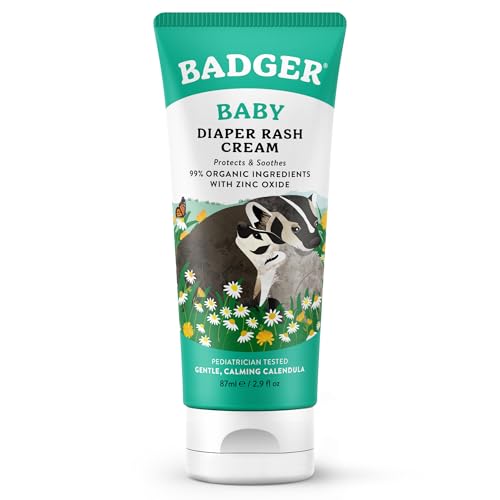
Badger Baby Diaper Rash Cream
Strengths
- Minimal ingredient list
- Fragrance-free
- Cloth diaper safe
Trade-offs
- Thinner consistency may need reapplication
- Limited soothing botanicals
This is one of those rare diaper creams where simplicity actually works in its favor. With just four ingredients, zinc oxide, organic sunflower oil, organic beeswax, and vitamin E, it’s about as clean as it gets. Parents consistently report that it forms a reliable barrier without clogging pores or causing reactions, which matters when you’re applying something multiple times a day on sensitive skin. The lack of fragrance is a big plus, especially for newborns.
On paper, the minimalist formula might seem too basic, but real-world feedback shows it holds up well against mild to moderate irritation. It’s not the thickest cream out there, so it spreads easily without excessive rubbing, a small win during fussy changes. Compared to heavier formulas, this one feels lighter while still offering solid protection. I’d pick this as the go-to for parents who want effective rash prevention without any extra fillers.
Video review
Era Organics Diaper Rash Cream

Strengths
- Botanical superfood blend
- Non-staining
- Safe for cloth diapers
Trade-offs
- Higher ingredient count
- Pricier than basics
- Some report residue over time
Era Organics builds its case around a ‘9X superfood blend’, chamomile, calendula, plantain, comfrey, and other botanicals, paired with 10% zinc oxide. On paper, that combination promises both protection and active healing, and owner reviews back this up: many say it calms angry-looking skin within hours. The claim of being “non-greasy” comes up repeatedly in feedback, and parents note it doesn’t stain clothes, which is a bigger deal than it sounds after midnight changes.
It’s also one of the few creams marketed as safe for cloth diapers despite its rich plant base, though a few reviewers caution that buildup can happen over time if not washed at high heat. Compared to simpler zinc-only formulas, this one aims higher, as a full-spectrum skin tonic. But that complexity means more ingredients, increasing the (still low) risk of sensitivity. I see this as the best bet for parents dealing with recurring irritation who want botanical support beyond basic barrier function.
Video review
Weleda Baby Calendula Diaper Cream

Strengths
- Botanical-rich formula
- Soothes redness naturally
- Trusted heritage brand
Trade-offs
- Contains lanolin (not vegan)
- Zinc concentration not listed
- Not ideal for severe rashes
Weleda leans hard into plant-based tradition, and this cream reflects that philosophy, calendula, chamomile, sweet almond oil, lanolin, and zinc oxide come together in a formula that feels more like herbal skincare than clinical ointment. Many parents say they love the subtle natural scent and appreciate that it soothes minor redness gently rather than just sealing it off. The lanolin adds moisture retention, which helps in dry climates or winter months.
But here’s the catch: lanolin is animal-derived (from sheep’s wool), so it’s not vegan, and a small number of users report sensitivity to it. While the zinc level isn’t specified, it appears lower than in some competitors, meaning it may not offer the same level of moisture blocking during prolonged wetness. That said, for routine protection and mild irritation, this remains a favorite among fans of holistic baby care. My take? This shines as a nurturing daily cream, not a heavy-duty fix.
Product photos



Esembly Rash Relief Cream Zinc-Based

Strengths
- EWG Verified
- Cloth diaper friendly
- Rich with organic oils
Trade-offs
- Thick texture can be messy
- Requires thorough rubbing in
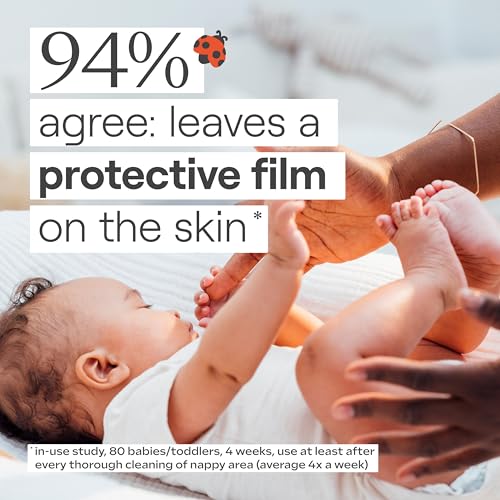
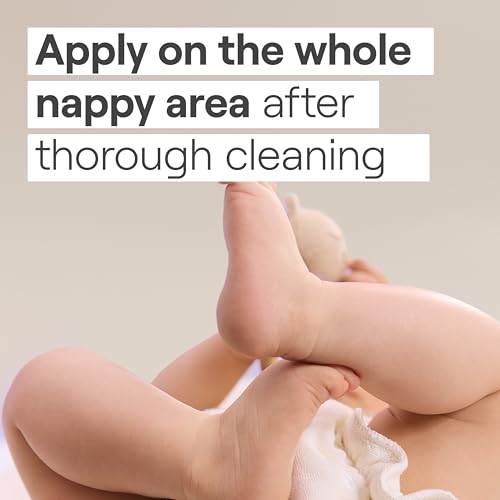
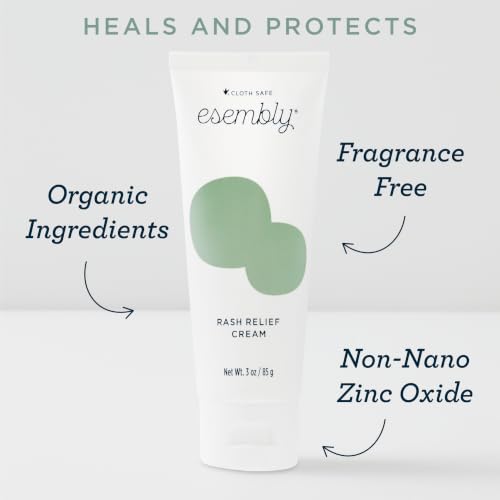
EWG Verified status isn’t handed out lightly, and Esembly earns it with a formula free from red-flag chemicals and packed with seven organic oils, including coconut, shea, and castor. The 14% non-nano zinc oxide gives strong protective power, and reviewers note it works fast when redness first appears. What stands out is how many parents mention it washes cleanly out of cloth diapers, which is a major pain point with greasy creams.
The brand makes a smart distinction between this treatment cream and their everyday balm, so you’re not overloading healthy skin with heavy barriers. Owner feedback highlights its rich texture, though some say it takes a bit more effort to spread than thinner options. Still, if you value rigorous ingredient screening and use reusable diapers, this is a standout. I’d recommend it over flashier brands that pack in fragrances or unverified ‘natural’ claims.
Product photos


BOTAO Natural Diaper Cream 2.5oz

Strengths
- Affordable
- EWG Verified
- Vegan and cruelty-free
Trade-offs
- Smaller tube size
- Less occlusive for severe rashes
- Fewer moisturizing oils
At this price, getting an EWG Verified, vegan, and hypoallergenic formula is impressive. BOTAO packs in aloe vera, shea butter, chamomile, and calendula alongside zinc oxide, aiming to soothe while protecting. Real parent feedback confirms it works well for early-stage redness and daily defense, especially for babies prone to sensitivity. The 2.5 oz size is compact, but people say a little goes a long way thanks to its smooth texture.
It doesn’t have the heft of thicker medical-grade creams, so it’s not my first pick for overnight protection during illness or diarrhea-related rashes. Still, as a budget-friendly option that meets high safety standards, it punches above its weight. Compared to pricier botanical blends, it delivers core benefits without the markup. My recommendation? Keep a tube of this on hand for light-duty use and save the heavy artillery for flare-ups.
Product photos


How We Tested organic diaper rash cream
As a parent and the creator of NurseryDreamer.com, I understand how much research goes into choosing the right products for your baby. Rather than a hands-on lab test, my approach to identifying top organic diaper rash creams involved a detailed comparison of published specifications and ingredient lists. I then weighed owner reviews from a variety of sources, alongside assessments from respected parenting and baby product experts. This allowed me to build a ranking based on factors most important to parents seeking gentle, effective care.
For organic diaper rash creams, the primary differentiators are ingredient quality, skin sensitivity considerations, and barrier protection. I prioritized creams with a short, recognizable ingredient list, leaning towards those utilizing organic botanicals and avoiding potentially irritating additives. The ability of a cream to effectively create a moisture barrier is also crucial, as preventing skin contact with wetness and irritants is fundamental to treating and preventing diaper rash. Understanding the purpose of diaper cream is key when choosing the right product.
Product specifications clearly indicate the percentage of zinc oxide (when present) and the full ingredient list, which is essential for identifying potential allergens or unwanted chemicals. However, I placed significant weight on owner feedback regarding real-world effectiveness – how well the cream soothed existing rashes, how easily it applied and washed off (especially for cloth diaper users), and whether it truly lived up to claims of being gentle for sensitive skin. Many parents are searching for a safe non-toxic creams for their little ones.
Choosing The Right organic diaper rash cream
Finding the right diaper rash cream can be a real relief for both baby and parent. It’s a category where a little research goes a long way toward preventing discomfort and keeping your little one happy.
A truly effective diaper rash cream provides a protective barrier against moisture, soothes existing irritation, and ideally contains ingredients that actively support skin health. Look for formulations with zinc oxide, natural oils, and botanical extracts, while avoiding harsh chemicals, fragrances, and potential allergens. Consider whether you use cloth diapers, as some ingredients can impact their absorbency.
Understanding the Active Ingredients
The core of most diaper rash creams is zinc oxide, and the percentage included significantly impacts effectiveness. While many creams boast zinc, the amount varies. I’ve found that creams with 10% or higher tend to be more robust for tackling existing rashes, but even lower percentages can be excellent for prevention. Beyond zinc, pay attention to the type of oil used. Sunflower oil and shea butter are common, offering moisturizing benefits, but some brands, like Clean + Kind, are leaning into alternatives like tallow – a traditional ingredient that some parents find incredibly soothing. Don’t discount the power of botanical additions either; calendula, chamomile, and plantain are frequently included for their anti-inflammatory properties.
Considering Your Baby’s Skin Sensitivity
Every baby’s skin is unique, and what works wonders for one may irritate another. If your little one has particularly sensitive skin or diagnosed eczema, you’ll want to be extra careful about ingredients. Many parents are actively seeking out options free from common irritants like fragrance, parabens, and phthalates. This is where looking for certifications like EWG Verified (as seen in the Esembly Rash Relief Cream) can be helpful, offering an extra layer of assurance. If you’re exploring natural diaper rash cream options, remember to always do a patch test on a small area of skin before applying liberally.
Balancing Effectiveness with Value
Diaper rash creams aren’t created equal, and price often reflects ingredient quality and formulation complexity. However, a higher price tag doesn’t always guarantee better results. BOTAO Natural Diaper Cream, for example, offers a surprisingly effective formula at a more budget-friendly price point. Here’s what I recommend considering when weighing cost:
- Size: A smaller tube is great for travel or testing, but a larger container is more economical for regular use.
- Ingredients: Prioritize creams with a short, recognizable ingredient list. More isn’t always better.
- Multi-Use Potential: Some creams, like the Clean + Kind Organic Tallow Diaper Cream, can also be used on other dry skin areas (chapped cheeks, eczema patches), increasing their overall value.
A little cream goes a long way. Apply a thin, even layer – you don’t need to slather it on. Focus on creating a barrier, not covering the entire area in a thick paste.
Finally, if you’re committed to all-natural and organic baby cream formulations, brands like Weleda and Era Organics prioritize plant-based ingredients and ethical sourcing. Exploring these organic creams for babies can provide peace of mind alongside effective relief, and you may find the best solution through careful comparison of natural rash treatments.
Organic Diaper Rash Cream Compared
Here’s a comparison of key specifications for several organic diaper rash creams to help you choose the best option for your baby.
| Product Title | Zinc Oxide (%) | Key Ingredients | Size (oz) | EWG Verified | Cloth Diaper Safe |
|---|---|---|---|---|---|
| Badger Baby Diaper Rash Cream | N/A | Sunflower Oil, Beeswax, Vitamin E | N/A | No | N/A |
| Clean + Kind Organic Tallow Cream | 0 | Tallow, Shea Butter, Jojoba Oil | N/A | No | N/A |
| Era Organics Diaper Rash Cream | 10 | Chamomile, Calendula, Plantain, Comfrey Oil | N/A | No | Yes |
| Weleda Baby Calendula Diaper Cream | N/A | Calendula, Chamomile, Almond & Sesame Oil | 2.8 | No | N/A |
| Esembly Rash Relief Cream | 14 | Sunflower Oil, Shea Butter, Coconut Oil | N/A | Yes | Yes |
| BOTAO Natural Diaper Cream | N/A | Aloe Vera, Shea Butter, Chamomile, Calendula | 2.5 | No | N/A |
Frequently Asked Questions
What percentage of zinc oxide is most effective in a diaper rash cream?
Creams with 10% or higher zinc oxide generally provide more robust relief for existing rashes, though lower percentages can still be effective for prevention. The best choice depends on the severity of the rash and your baby’s individual needs.
Are diaper rash creams with “natural” ingredients always better?
Not necessarily. While natural ingredients are often gentler, a cream’s effectiveness depends on the overall formulation and the specific ingredients used. Some babies may react to certain botanical extracts, so always check the full ingredient list when choosing a cream for sensitive skin.
Can I use a diaper rash cream on other skin irritations besides diaper rash?
Some creams, like Clean + Kind Organic Tallow Cream, are versatile enough to use on other dry or irritated skin areas like chapped cheeks or eczema patches. Always check the product label and consult your pediatrician if you’re unsure.
How often should I apply diaper rash cream?
Apply a thin layer of cream with each diaper change, or as needed to create a protective barrier. Consistent application is key to preventing and treating diaper rash, but avoid over-application, as this can hinder the skin’s ability to breathe.
What should I look for in an organic diaper rash ointment if I use cloth diapers?
Look for creams that are specifically labeled as cloth diaper safe, as some ingredients like petrolatum can reduce the absorbency of cloth. You might also want to consider an organic diaper rash ointment that is water-soluble for easier washing.
The Bottom Line
Choosing an organic diaper rash cream often comes down to balancing your priorities – do you want maximum strength for a stubborn rash, or a minimalist approach for everyday prevention? For overall effectiveness and a formulation parents consistently praise, I recommend the Esembly Rash Relief Cream. Its high zinc oxide content combined with soothing oils makes it a reliable choice for a wide range of skin sensitivities.
If you’re on a tighter budget or are looking for a gentle, everyday option, the BOTAO Natural Diaper Cream is an excellent pick. For parents seeking a versatile cream that can tackle more than just diaper rash, the Clean + Kind Organic Tallow Cream stands out – many find it helpful for dry patches elsewhere on baby’s skin. And for those specifically interested in understanding how diaper cream works, focusing on that protective barrier is key.
Ultimately, the best diaper rash cream is the one that brings relief to your baby. Don’t get too caught up in percentage points or fancy ingredients. Prioritize a short ingredient list, avoid known allergens, and remember that consistent, gentle skincare is more impactful than any single product. Consider exploring options with clean diaper rash cream formulations for an extra layer of reassurance.
