
2 Best Diapers for Easy Changing (2026 Guide)
This post contains affiliate links. As an Amazon Associate, we learn from qualifying purchases
The Pampers Cruisers 360 Degrees Diapers stand out as the best overall for easy changing, thanks to their full stretch waistband and quick EZ-off tabs. For newborns, the Pampers Swaddlers 360° Diapers offer a gentle, secure fit with reliable leak protection. Both are strong picks based on parent feedback and smart design.
Every parent knows the struggle of a wiggly baby during a change. A diaper that slips, leaks, or takes too long to fasten only adds stress to a moment that should be quick and simple. I’ve seen how much of a difference the right design can make.
This guide focuses on diapers that truly simplify the process, based on fit, fastening, and real parent experiences. I compared specs and dug into feedback to find the ones that balance ease, comfort, and reliability.
Top 2 Diapers For Easy Changing in the Market
The Best Diapers For Easy Changing, Reviewed
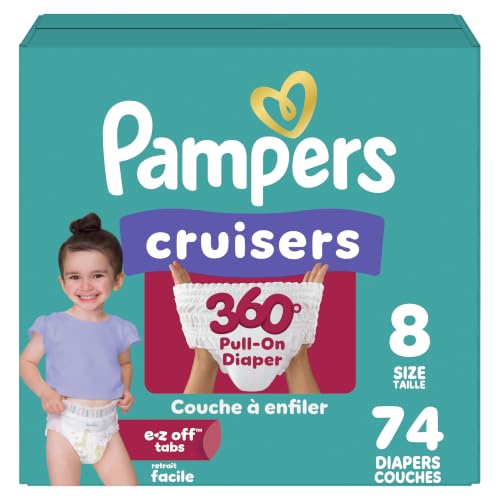
Pampers Cruisers 360 Degrees Diapers
Strengths
- Excellent stretch fit
- Reliable leak protection
- Easy disposal tabs
Trade-offs
- Smaller count pack
- Not ideal for newborns
If you’re chasing a diaper that keeps up with a constantly moving toddler, the Pampers Cruisers 360° make a strong case as the best overall pick, especially with their stretchy waistband and secure fit designed for wild movers. The EZ Off Tabs are a standout feature, and reviewers frequently mention how much faster and cleaner changes are, whether their child is lying down or standing up. The pull-on style with easy-tear disposal means less fumbling and fewer messes on hands, which is a real win during potty training or rushed changes.
Owners consistently report that the Dual Leak-Guard and blowout barriers deliver on the 100% leakproof claim, even overnight. While they’re not marketed specifically for sensitive skin like the Swaddlers, they’re still hypoallergenic and free of parabens and latex, so most babies tolerate them well. I’d pick these over the Swaddlers 360° for older, more active babies simply because the fit holds up better during running, climbing, and jumping.
Video review
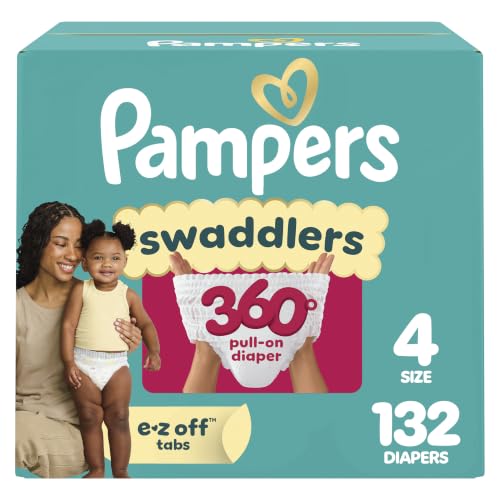
Pampers Swaddlers 360° Diapers
Strengths
- EZ Off Tabs
- Hypoallergenic
- 360° stretch waist
Trade-offs
- Slightly less durable
- Higher price per diaper
Pampers Swaddlers 360° stand out in the easy-change category thanks to their EZ Off Tabs and pull-on design, which parents consistently say make diaper removal faster and cleaner, especially during messy changes. The 360° stretchy waistband gets strong marks for comfort and flexibility, moving with babies who are crawling or standing, and the blowout barrier adds real confidence for active little ones. On paper, the leak protection specs are solid, and owner feedback backs that up, with many noting fewer leaks compared to other brands.
What really sets these apart for sensitive skin is the hypoallergenic, dermatologically tested build, parents report fewer rashes and irritation, which matters when you’re changing diapers multiple times a day. While they’re priced slightly higher, the 132-count pack offers better long-term value than smaller packs in the same line. Compared to the Cruisers 360°, these feel a bit gentler but don’t quite match the same level of durability during high-motion play.
Video review
How We Picked These diapers for easy changing
Rather than a hands-on lab test, my research focused on comparing published specifications and features of various diaper brands. I weighed owner reviews from multiple retailers alongside expert opinions from parenting publications. As someone who understands how quickly things move with little ones, I prioritized features that genuinely simplify diaper changes, aiming to provide trustworthy advice for parents.
For diapers marketed for “easy changing,” fit and fastening systems were most critical. A secure, yet adaptable fit minimizes leaks, while an easy-to-use closure – whether tabs or pull-on styles – drastically reduces change time. We also heavily considered features that aid in containment, like blowout barriers, because a quick cleanup is essential when dealing with wiggly babies.
Specifications reliably indicate absorbency and size ranges, but owner feedback truly reveals how diapers perform during real-world use. I paid close attention to comments about ease of fastening, how well the diaper holds up during movement, and reports of leaks. And, of course, finding the right setup extends beyond the diaper itself; many parents also appreciate having easy-clean changing pads to further streamline the process.
Choosing The Right diapers for easy changing
Choosing diapers feels simple enough, but finding ones that truly make changing easier, and keep baby comfortable, requires a little thought. It’s about more than just absorbency; it’s about fit, ease of use, and what materials sit against your little one’s skin.
A good diaper prioritizes a secure, leakproof fit that allows for freedom of movement. Look for features like stretchy waistbands, absorbent cores, and reliable leak guards. Consider skin sensitivity and choose hypoallergenic options when possible. Proper sizing is also crucial; a diaper that’s too small or too large won’t offer adequate protection.
Understanding Diaper Fit and Movement
The biggest frustration with diapers is often leaks, and that’s almost always a fit issue. Don’t assume your baby will stay in one size for long. Weight ranges on diaper packaging are guidelines, but every baby is different. Pay attention to how the diaper feels after it’s been fastened. You should be able to comfortably slide two fingers under the waistband. Features like the 360-degree stretchy waistband found in Pampers Cruisers and Swaddlers are designed to move with active babies, which is a huge plus as they start crawling and pulling up to stand. However, don’t automatically equate “stretchy” with “better fit” – it needs to be combined with good overall construction.
Prioritizing Skin Sensitivity
For many babies, especially newborns, sensitive skin is a real concern. Look for diapers labeled “hypoallergenic” and “dermatologically tested,” like both the Pampers Cruisers and Swaddlers lines. Beyond those labels, read ingredient lists carefully. Many parents find success avoiding diapers with fragrances, lotions, or latex. If your baby has particularly sensitive skin, you might also explore diapers made with plant-based materials, though absorbency can sometimes be a trade-off. Setting up an efficient changing table organization can also help you quickly address any skin irritation that does occur.
Balancing Convenience and Value
Let’s be honest: diapering is a frequent task. Features that genuinely speed things up are worth considering. Pull-on diapers with EZ-off tabs, like those in the Pampers Cruisers, can be a lifesaver during those middle-of-the-night changes. But convenience shouldn’t come at the expense of everything else. Here’s what I’ve observed parents prioritize:
- Absorbency: This is fundamental. No amount of convenience matters if the diaper leaks.
- Ease of Disposal: The design of the tabs and how easily the diaper can be rolled up and secured makes a difference.
- Overall Cost: Diapering is expensive. Consider subscription services or bulk buying to save money, but only if you have space to store them. Don’t fall for the lowest price if it means sacrificing quality and fit.
Don’t forget to invest in quality best changing pads to make the entire process more comfortable and hygienic for both you and your baby.
A leaky diaper is a sign of a poor fit, not necessarily a poor diaper. Always double-check the size and adjust the fasteners to ensure a snug, secure fit around the legs and waist.
Diapers for Easy Changing Compared
Here’s a spec comparison to help you evaluate diapers designed for quick and convenient changes.
| Product | Waistband Stretch | Removal Method | Leak Protection | Size Range | Hypoallergenic |
|---|---|---|---|---|---|
| Pampers Cruisers 360 Degrees Diapers | 360 Degrees | EZ-Off Tabs | Dual Leak-Guard | 3-8 | Yes |
| Pampers Swaddlers 360° Diapers | 360 Degrees | Tab Off & Wrap | Dual Leak-Guard | 3-7 | Yes |
Frequently Asked Questions
What diaper size should I start with?
Newborn size isn’t always the right starting point; it depends on your baby’s weight. Most babies start in size 1 when they reach 10 pounds, but don’t hesitate to size up if the newborn diapers seem too small or are causing leaks.
Are pull-up diapers a good option for easy changing, even for infants?
While typically associated with potty training, some brands like Pampers offer pull-on diapers with EZ-Off tabs for easier changes, even with infants. These can be convenient for quick changes, particularly overnight, but aren’t necessarily a replacement for traditional taped diapers.
How often should I be changing a diaper?
You should change a diaper every 2-3 hours, or immediately after a bowel movement. Frequent changes prevent diaper rash and keep your baby more comfortable, and using a good infant changing pads helps with hygiene.
What should I do if my baby consistently experiences blowouts?
Blowouts often indicate a poor fit, particularly around the legs. Consider sizing up or trying a diaper specifically designed for containment, like those marketed as diapers for blowouts.
Do organic or plant-based diapers really offer benefits beyond being eco-friendly?
Some parents find plant-based diapers gentler on sensitive skin, but absorbency can sometimes be lower. If your baby doesn’t have sensitivities, the primary benefit is environmental, though many parents appreciate minimizing harsh chemicals against their baby’s skin.
The Bottom Line
Ultimately, choosing diapers for easy changing comes down to balancing convenience with reliable performance. While many brands offer features designed to speed things up, the Pampers Cruisers 360 Degrees Diapers consistently stand out as a strong all-around choice. They combine a truly adaptable fit with a convenient disposal system, addressing the core needs of parents looking for a less stressful diapering experience.
For parents prioritizing budget-friendliness, or those seeking a softer option for newborns, the Pampers Swaddlers 360° Diapers are an excellent alternative. And if you’re frequently changing diapers away from home, don’t overlook the value of investing in portable changing pads to maintain hygiene and comfort wherever you are. There are also many best disposable diapers available if you are looking to explore top diaper brands.
At the end of the day, the “best” diaper isn’t about a single feature or a flashy marketing claim. It’s about a secure, comfortable fit that prevents leaks, materials that are gentle on your baby’s skin, and a design that works with your routine, not against it. Focus on those fundamentals, and you’ll find a diapering solution that makes life a little easier for both of you.
