
6 Best Natural Wet Wipes of 2026
This post contains affiliate links. As an Amazon Associate, we learn from qualifying purchases
The Honest Multi-Use Baby Wipes are our top pick for their simple, compostable design and skin-friendly formula, closely followed by the budget-friendly Hello Bello Fragrance-Free Wipes and the flushable Caboo Tree Free Wipes for on-the-go convenience.
Choosing the right natural wet wipes means balancing what’s safe for your baby’s skin with what works for your lifestyle. With so many options claiming to be “gentle” or “eco-friendly,” it’s hard to know which ones truly deliver.
I compared ingredients, certifications, and real parent feedback to find wipes that are genuinely free of harsh chemicals, kind to sensitive skin, and honest about their environmental impact. These picks reflect what matters most: safety, performance, and value.
Top 6 Natural Wet Wipes in the Market
The Best Natural Wet Wipes, Reviewed
Honest Multi-Use Baby Wipes, 576ct

Strengths
- Extra thick material
- Compostable design
- Great for multiple uses
Trade-offs
- Not flushable
- Larger footprint storage
This is the closest thing to a true all-in-one wipe I’ve seen in the natural category. With 576 wipes and a flip-top dispenser, it’s built for real family life, diaper changes, sticky fingers, wipedown duties. The fact that they’re compostable and disintegrate in eight weeks is impressive, and owners praise how sturdy they are compared to flimsier natural wipes.
It’s not flushable, but that’s fine, the trade-off is durability and versatility. When stacked against Hello Bello or Amazon Elements, this one wins on utility. My recommendation for most households is to keep a pack of these within reach of the changing table and the kitchen.
Video review
Hello Bello Fragrance-Free Wipes

Strengths
- Contains chamomile and aloe
- High wipe count
- Convenient resealable packs
Trade-offs
- Fewer safety certifications
- No compostable claim
The inclusion of chamomile and aloe is smart, they’re known for calming irritated skin, and parents of babies with redness or sensitivity often seek that out. With 720 wipes across 12 resealable packs, this product is clearly designed for marathon use. The individual packs make them easy to stash in diaper bags, cars, and grandparents’ homes.
Still, while the ingredients sound gentle, they lack third-party certifications like EWG or NEA recognition that others on this list have. Compared to ECO BOOM or The Honest Company, the trust factor isn’t quite as strong, even if the performance seems solid based on owner feedback.
Video review
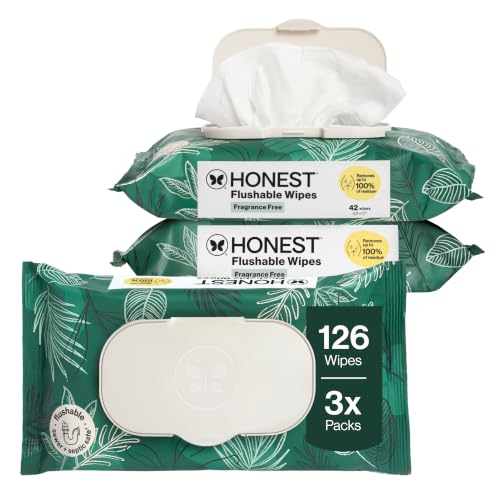
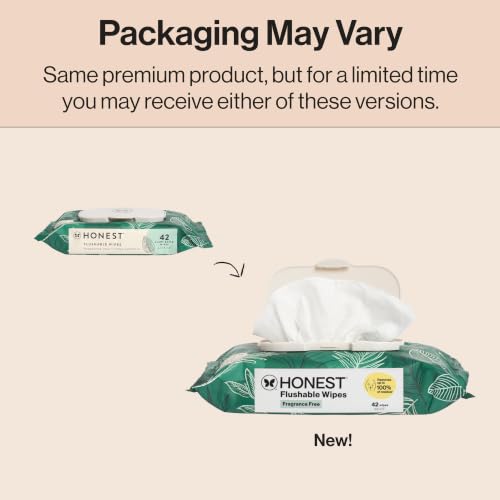
Honest Flushable Wipes, 126ct
Strengths
- Flushable design
- EWG verified
- Hypoallergenic formula
Trade-offs
- Low count per pack
- Not ideal for bulk use
I like that these wipes are designed to be flushed, something many parents consider during messy diaper changes when a trash can isn’t nearby. On paper, the fact they’re sewer and septic safe, EWG verified, and made without alcohol or parabens makes them stand out for sensitive skin. Still, I’d be cautious about flushing even ‘flushable’ wipes regularly, since plumbing systems vary and clogs can happen over time.
Owners consistently report they feel cleaner using these versus toilet paper alone, which is a real plus. But at only 126 wipes per pack, this option runs out fast if used beyond bathroom hygiene. Compared to larger multi-use packs, it’s clearly not built for heavy-duty parenting chaos.
Product photos


Caboo Tree Free Flushable Wipes

Strengths
- Bamboo viscose material
- Septic and marine safe
- MADE SAFE certified
Trade-offs
- Higher price point
- Smaller pack than bulk baby wipes
What stands out here is the bamboo-based material, fast-growing and renewable, which aligns with what I recommend for eco-conscious families. These wipes aren’t just marketed as green; they carry MADE SAFE certification and OEKO-TEX Standard 100, meaning third parties have verified the safety of both materials and process. That kind of transparency matters when you’re wiping delicate skin.
They’re also one of the few truly versatile options here, certified flushable and safe for boats or RVs. Reviewers note they hold up well during use without falling apart, which isn’t always true for biodegradable wipes. Against The Honest Company’s flushable version, this one offers more wipes and stronger environmental credentials.
Product photos


ECO BOOM Bamboo Viscose Wipes

Strengths
- Dermatest certified
- Bamboo strength and softness
- Vegan and biodegradable
Trade-offs
- Mid-tier quantity
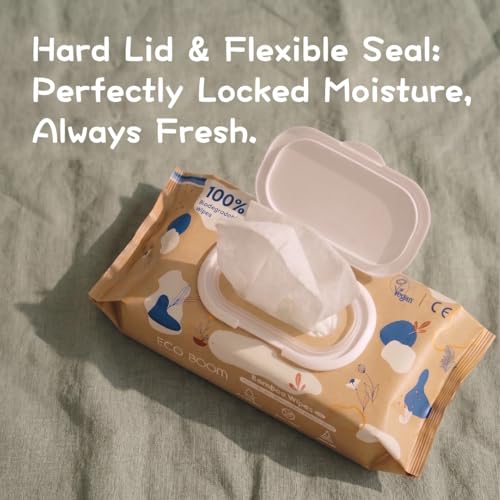
- No flip-top lid
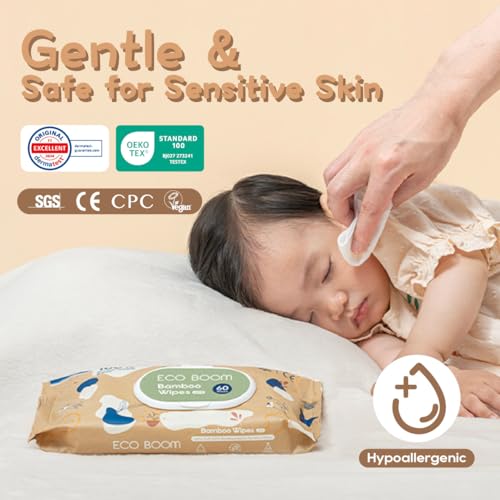
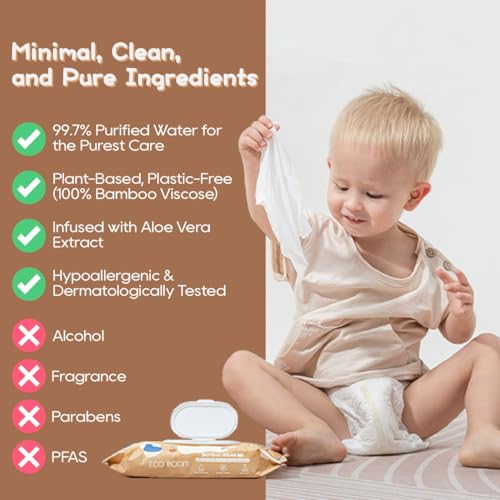
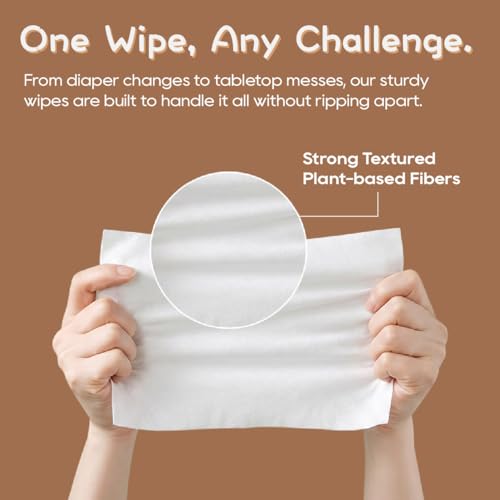
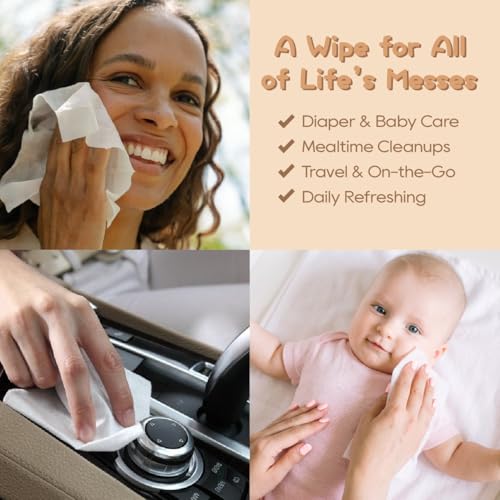
If your priority is maximum gentleness with minimum risk of irritation, this is the one I’d lean toward. Dermatest certified, fragrance-free, and made with 99.7% purified water and aloe vera, it’s formulated like a medical-grade wipe without feeling clinical. The bamboo fabric is noticeably stronger than cotton-based alternatives, and owners say they don’t shred during tough cleanups.
It doesn’t have the sheer volume of Hello Bello or Amazon Elements, but the quality-per-wipe is higher. Against Amazon Elements, which skips fragrances but offers little else in terms of skin support, ECO BOOM delivers more thoughtful formulation for reactive skin.
Product photos
Amazon Elements Baby Wipes

Strengths
- High quantity
- Flip-top dispensers
- Budget-friendly refill
Trade-offs
- Not biodegradable
- Plastic packaging waste
You can’t beat this for basic, no-frills performance at scale. With 810 wipes across nine packs, it’s built for stockpiling, and the flip-top design makes grabbing one easy, even one-handed. It contains aloe and vitamin E, avoids common irritants, and is pediatrician tested, which gives it baseline credibility for daily use.
But let’s be clear: it’s not compostable, not flushable, and lacks deeper eco-certifications. If you’re choosing purely on cost and convenience, it’s hard to fault. Yet compared to The Honest Company’s multi-use or ECO BOOM’s premium bamboo, it feels like a step back in innovation.
Product photos


How We Picked These natural wet wipes
As a parent and the creator of NurseryDreamer.com, I understand how much goes into choosing the right products for your baby. Rather than a hands-on lab test, this evaluation is a research-led comparison of published specifications and, crucially, what other parents are saying about these wipes. I looked at ingredient lists, certifications, and features, then weighed those against owner reviews and expert opinions from sources like dermatological testing reports and the National Eczema Association.
For natural wet wipes, the most important factors are gentleness and ingredient transparency. Sensitive baby skin demands products free of harsh chemicals, so I prioritized wipes with short, understandable ingredient lists and certifications like EWG Verified and dermatologist testing. Compostability and flushability are also key considerations for many parents, influencing both convenience and environmental impact.
Specifications clearly indicate a wipe’s composition and size, but owner feedback reveals how those specs translate to real-world use. I paid close attention to comments about texture, durability, and whether the wipes truly lived up to claims of being gentle on sensitive skin. You can find more information about choosing the right wipes for your little one in our guide to gentle natural wipes for newborns. Ultimately, I sought to identify wipes offering the best balance of safety, effectiveness, and value, and to highlight options for those seeking safe non-toxic wipes.
Choosing The Right natural wet wipes
Choosing the right wet wipes can feel surprisingly complex. There’s a huge range available, and what works for one family might not suit another.
A quality wet wipe balances gentleness, effectiveness, and environmental impact. Look for options with minimal ingredients, ideally plant-based, and consider whether flushability or compostability is a priority. Prioritize dermatologist-tested formulas, especially if your baby has sensitive skin, and pay attention to the material – bamboo and plant-based fibers are gaining popularity for their softness and sustainability.
Material & Sensitivity
The material a wipe is made from is a huge factor in how gentle it will be. While traditional wipes often use polyester, many brands are now offering bamboo viscose or plant-based cloths. These tend to be softer and more biodegradable. For babies with eczema or exceptionally sensitive skin, hypoallergenic wipes with the National Eczema Association (NEA) seal of acceptance, like those from Honest, are a fantastic starting point. However, “hypoallergenic” isn’t a regulated term, so looking for that third-party validation is key.
Flushability vs. Compostability
Flushable wipes are convenient, but they’ve earned a bad reputation for clogging sewer systems. Even those labeled “flushable” often don’t break down quickly enough. If you’re considering flushable wipes, like the Honest Flushable Wipes or Caboo Tree Free Flushable Wipes, be extremely cautious and follow the manufacturer’s instructions exactly – usually meaning only one or two at a time. Otherwise, I recommend exploring compostable options, which break down more reliably. I’ve seen many parents also turn to recommended natural wipes as a more eco-friendly choice.
- Convenience: Flushable wipes are undeniably easier for on-the-go cleanups, especially when a trash can isn’t immediately available.
- Environmental Impact: Compostable wipes, while requiring a bit more effort, represent a significant reduction in plastic waste.
- Septic Systems: If you have a septic system, compostable wipes are almost always the safer bet. Flushable wipes, even if marketed as septic-safe, can still pose risks over time.
A good rule of thumb: when in doubt, throw it out. Even if a wipe is labeled flushable, a clogged pipe isn’t worth the risk.
Beyond Baby: Multi-Purpose Use & Value
Many parents find themselves reaching for wipes far beyond diaper changes. Sticky hands, messy faces, quick kitchen spills… they’re surprisingly versatile. If you anticipate using wipes for more than just baby care, consider a larger pack size or a multi-purpose option like the Honest Multi-Use Baby Wipes. It’s also worth looking at the ingredient list. Wipes without harsh chemicals can safely clean surfaces, toys, and even pet paws. If you’re leaning towards a more natural approach for all baby products, exploring best organic wipes might be a good fit for your family.
Natural Wet Wipes Compared
Here’s a comparison of key specifications for several natural wet wipe options.
| Product Name | Count | Flushable | Material | Hypoallergenic | Fragrance Free | Key Features |
|---|---|---|---|---|---|---|
| Honest Multi-Use Baby Wipes | 576 | No | Plant-Based | Yes | Yes | Compostable, 99% Water |
| Hello Bello Fragrance-Free Wipes | 720 | No | N/A | N/A | Yes | Aloe & Chamomile Extracts |
| Honest Flushable Wipes | 126 | Yes | Plant-Based | Yes | Yes | Sewer & Septic Safe |
| Caboo Tree Free Flushable Wipes | 180 | Yes | Bamboo Viscose | N/A | Yes | Septic Safe, Compostable |
| ECO BOOM Bamboo Viscose Wipes | N/A | No | Bamboo Viscose | Yes | Yes | Dermatologist Approved, 99.7% Purified Water |
| Amazon Elements Baby Wipes | 810 | No | N/A | Yes | Yes | Aloe, Vitamin E |
Frequently Asked Questions
What wipe material is gentlest for a baby with very sensitive skin?
Bamboo viscose is generally considered the gentlest material, as it’s incredibly soft and naturally hypoallergenic. Many parents also find wipes with the National Eczema Association (NEA) seal of acceptance, like those from Honest, provide a good option for delicate skin.
Are “flushable” wipes truly safe for plumbing?
Even wipes labeled “flushable” can cause problems, because they don’t disintegrate quickly enough to avoid clogging pipes. I recommend avoiding flushing any wipes and instead disposing of them in the trash to protect your plumbing and municipal systems.
How do the ingredients in natural wipes differ from traditional options?
Natural wipes prioritize plant-based ingredients and avoid harsh chemicals like parabens, phthalates, and artificial fragrances. You’ll find simpler ingredient lists focused on soothing agents like aloe vera and chamomile, as opposed to synthetic compounds often found in conventional wipes.
Can I use natural wipes on surfaces other than my baby?
Yes, many natural wipes are multi-purpose and can be safely used to clean surfaces, toys, and even pet paws, as they lack harsh chemicals. You can find more information on recommended wet wipes for various uses.
What should I do with used wipes if I choose a non-flushable, non-compostable option?
Used wipes should always be disposed of in the trash. While not ideal from an environmental perspective, proper disposal prevents plumbing issues and keeps harmful materials out of waterways, and you can explore options like gentle clean wipes to minimize waste.
The Bottom Line
Choosing natural wet wipes often comes down to balancing convenience with your priorities. If you want a single, well-rounded option that many parents trust, I recommend the Honest Multi-Use Baby Wipes – they strike a great balance between plant-based ingredients, compostability, and effectiveness. Ultimately, the “best” wipe is the one that best fits your family’s needs and values.
For parents specifically seeking a flushable option, the Honest Flushable Wipes and Caboo Tree Free Flushable Wipes stand out, but remember the caution around proper disposal. And if you’re after the absolute purest clean, exploring gentle water wipes is a worthwhile endeavor.
Don’t get too caught up in individual features or certifications. A short, understandable ingredient list is more valuable than any marketing claim. Prioritize wipes that are gentle on sensitive skin, whether through plant-based materials or dermatologist testing, and remember that a little extra care in disposal goes a long way toward protecting both your plumbing and the environment.
